
30 October 2026
BIAD Hall
108 G. S. Rakovski St.

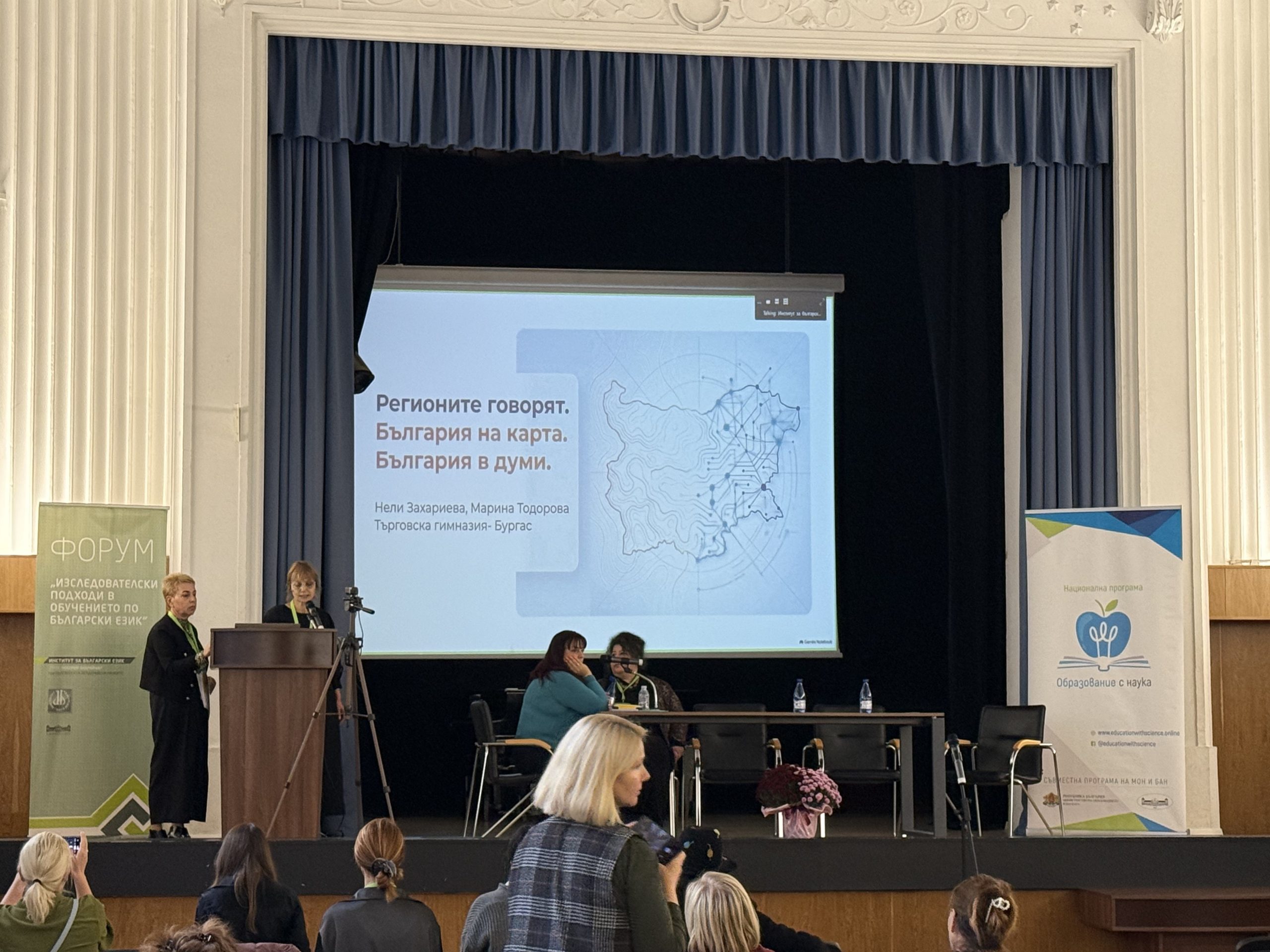
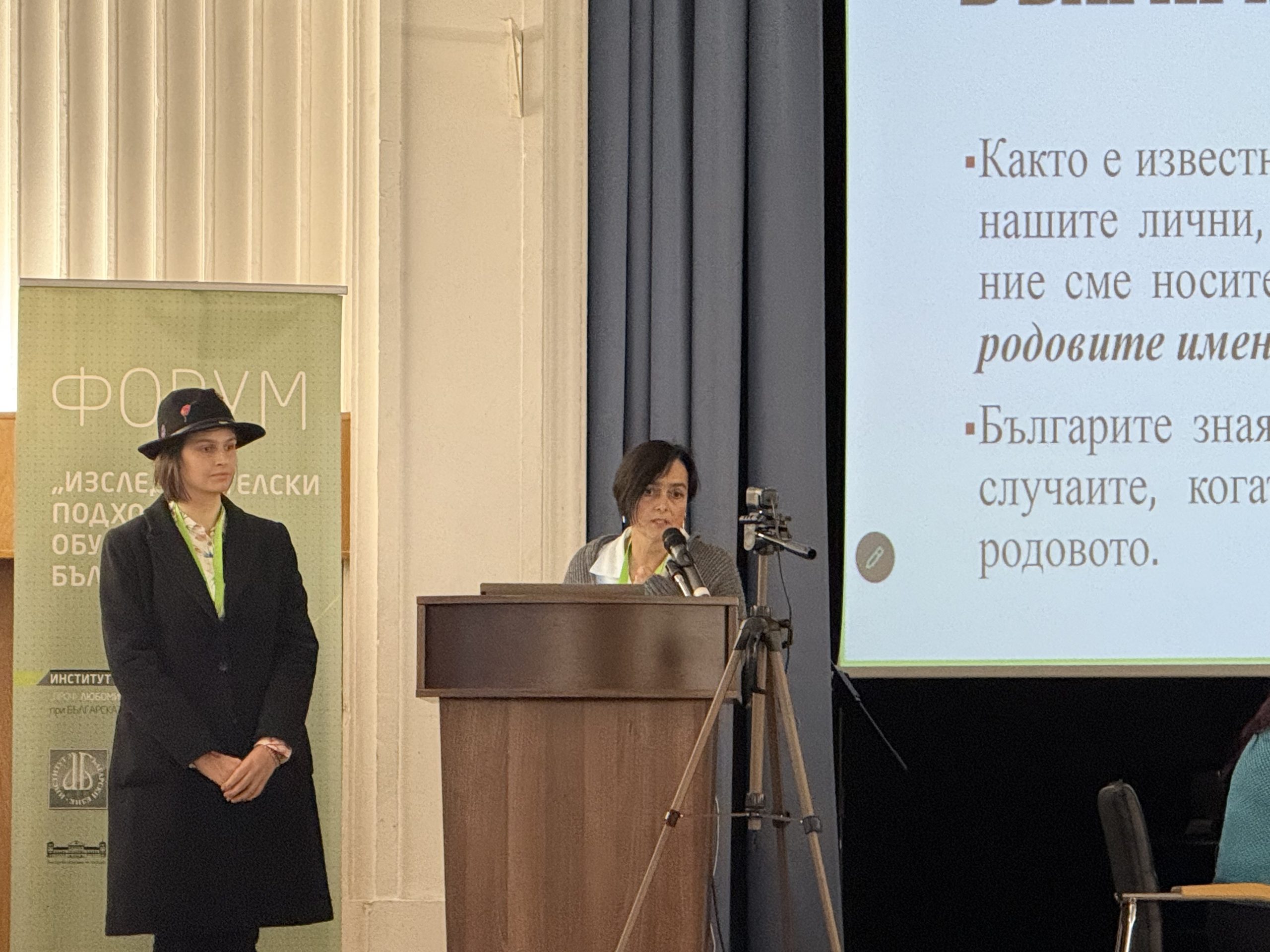
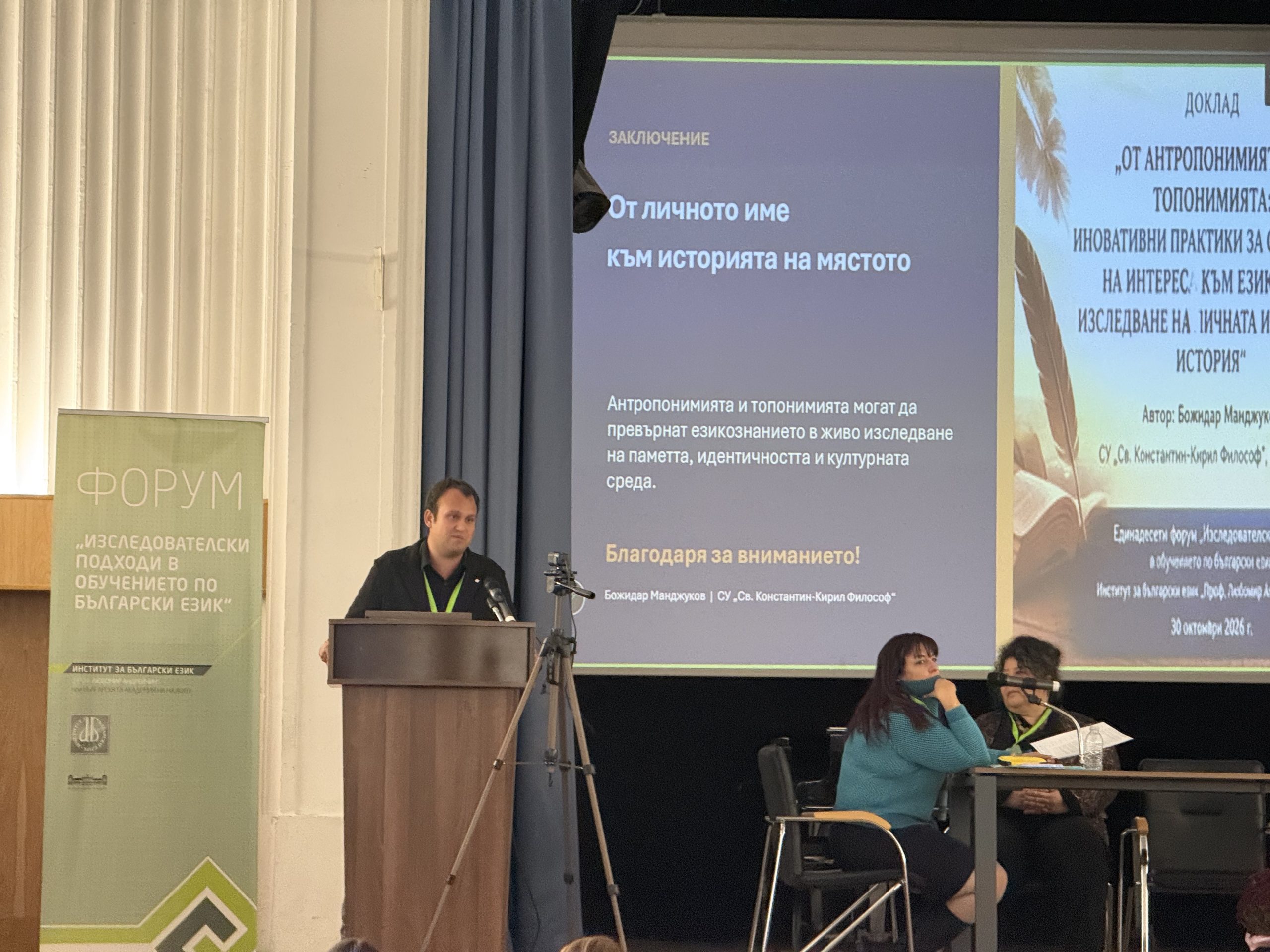
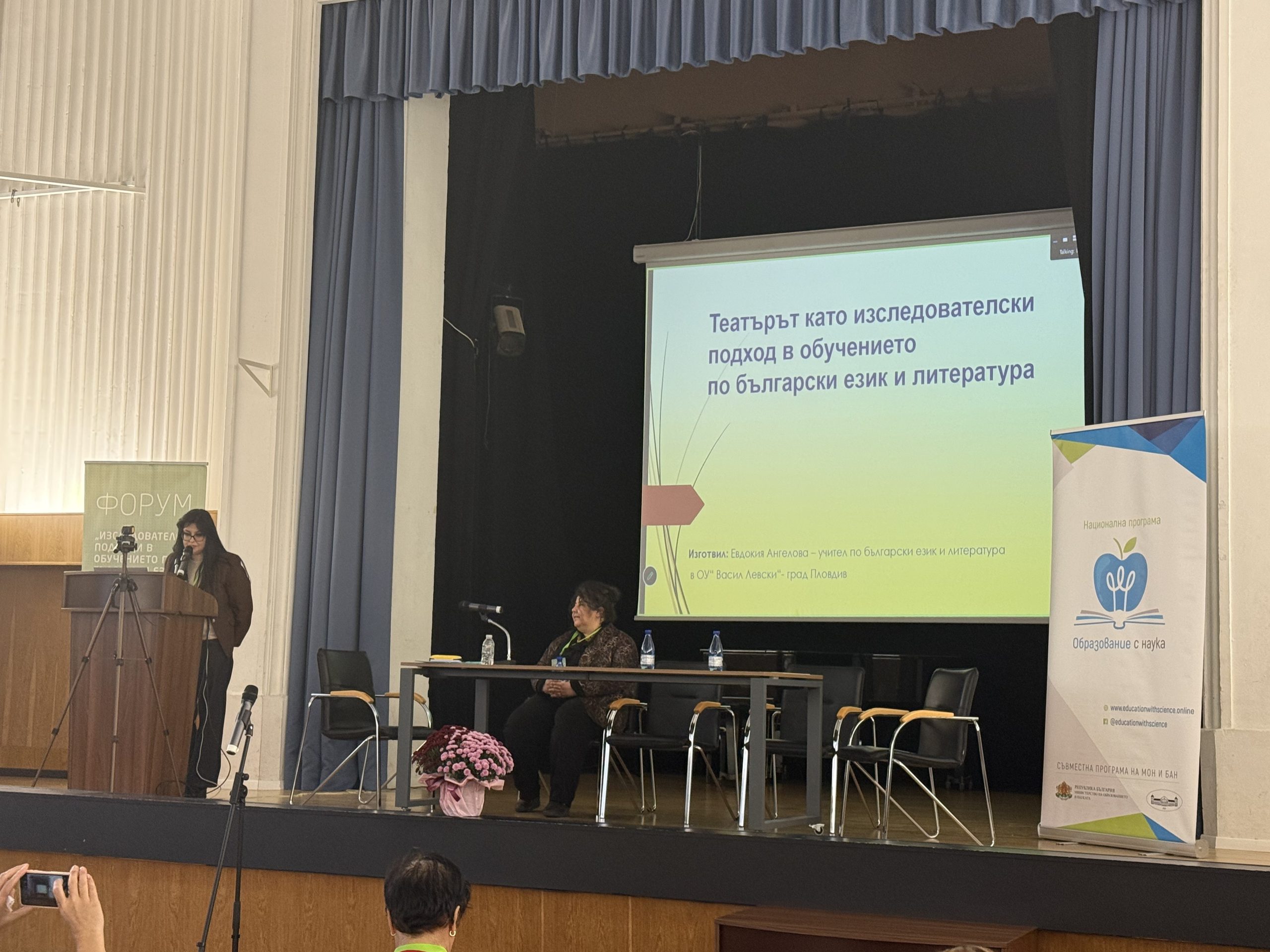
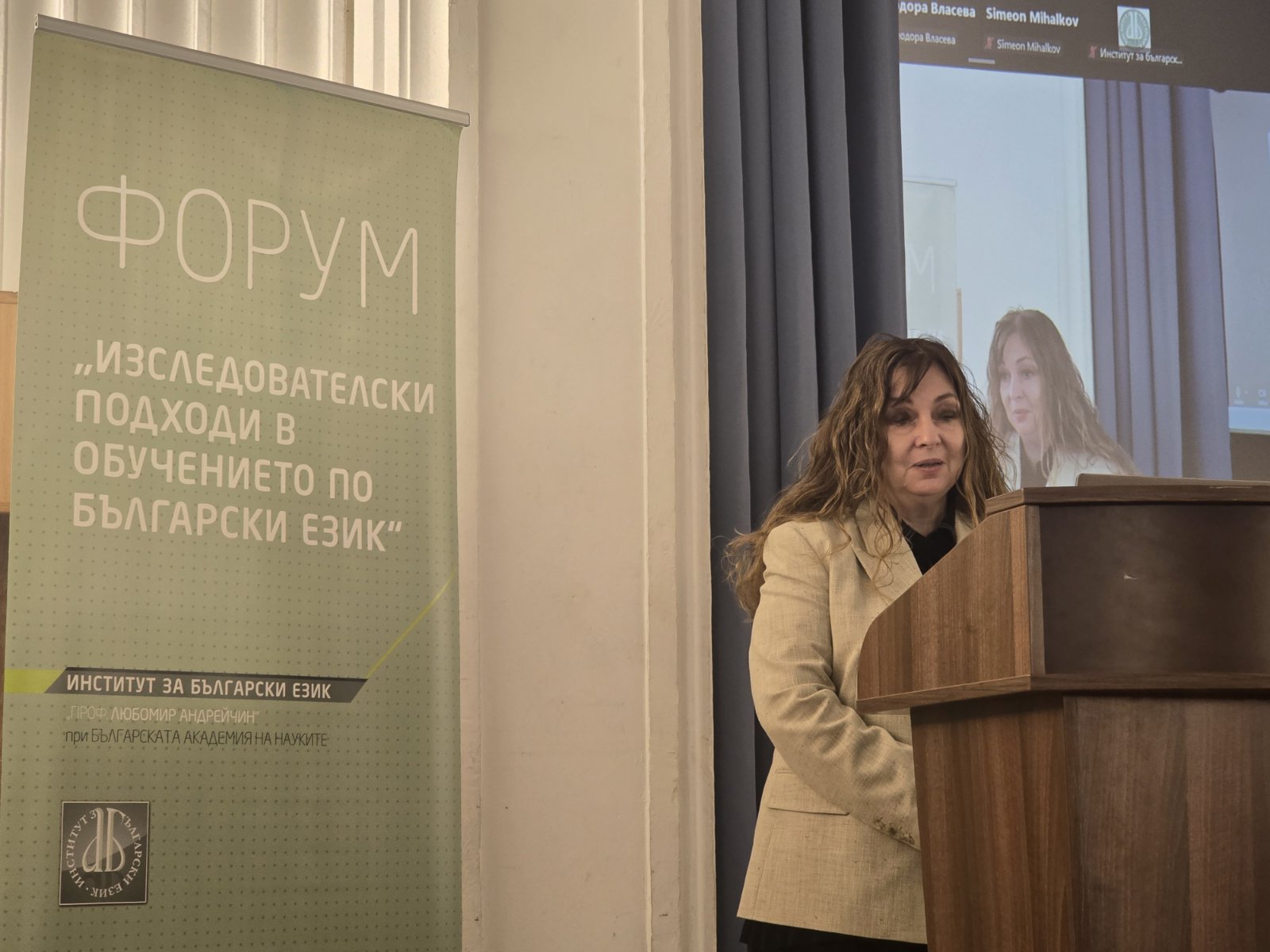
The Institute for Bulgarian Language “Prof. Lyubomir Andreychin” at the Bulgarian Academy of Sciences is organising the eleventh annual edition of the Forum “Research Approaches in Bulgarian Language Teaching”. The Forum is held as part of the project “What Is Written Remains. Write Correctly!” and with the support of the National Research Programme “Development of Research and Innovation in the Bulgarian Preschool and School Education System”.


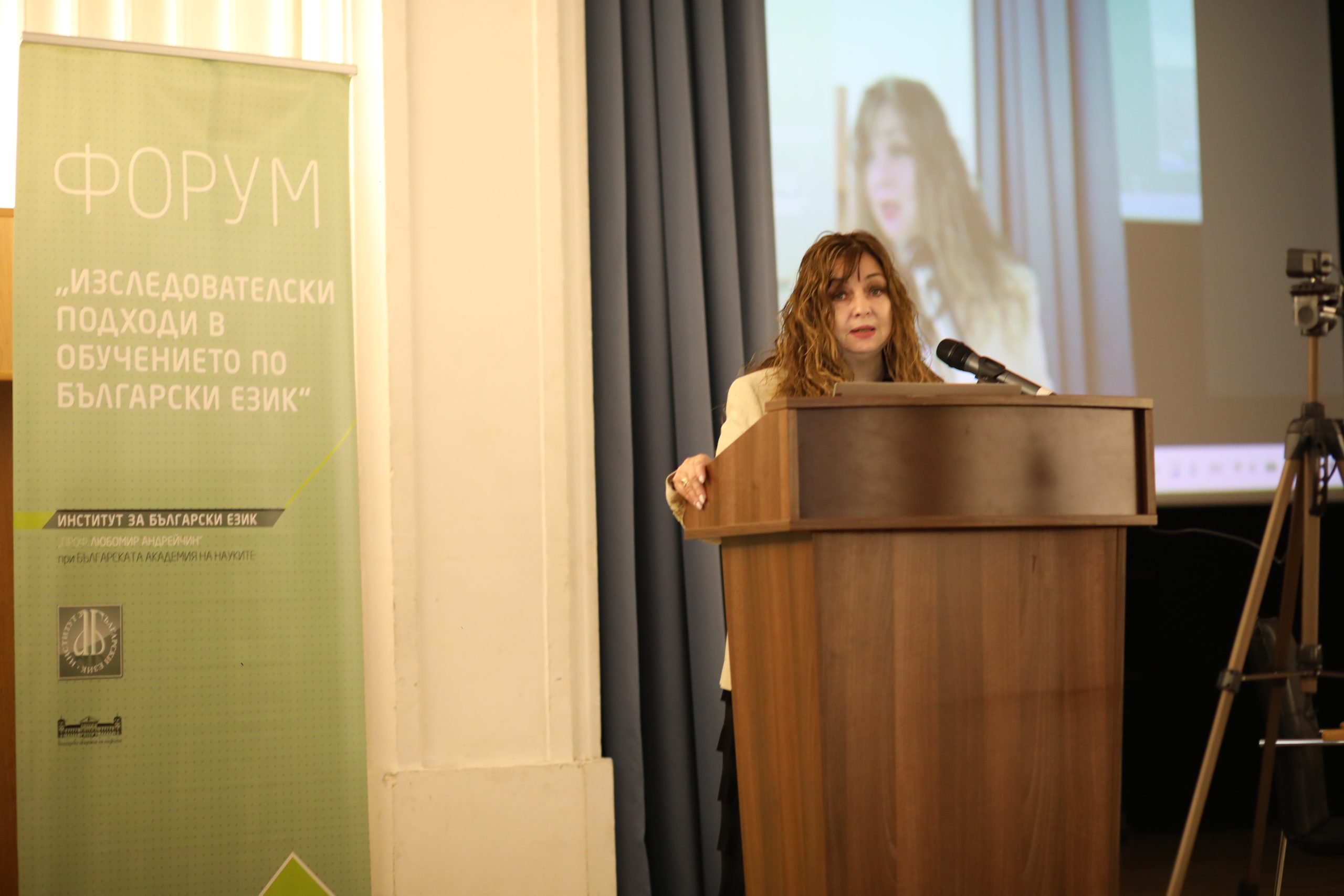
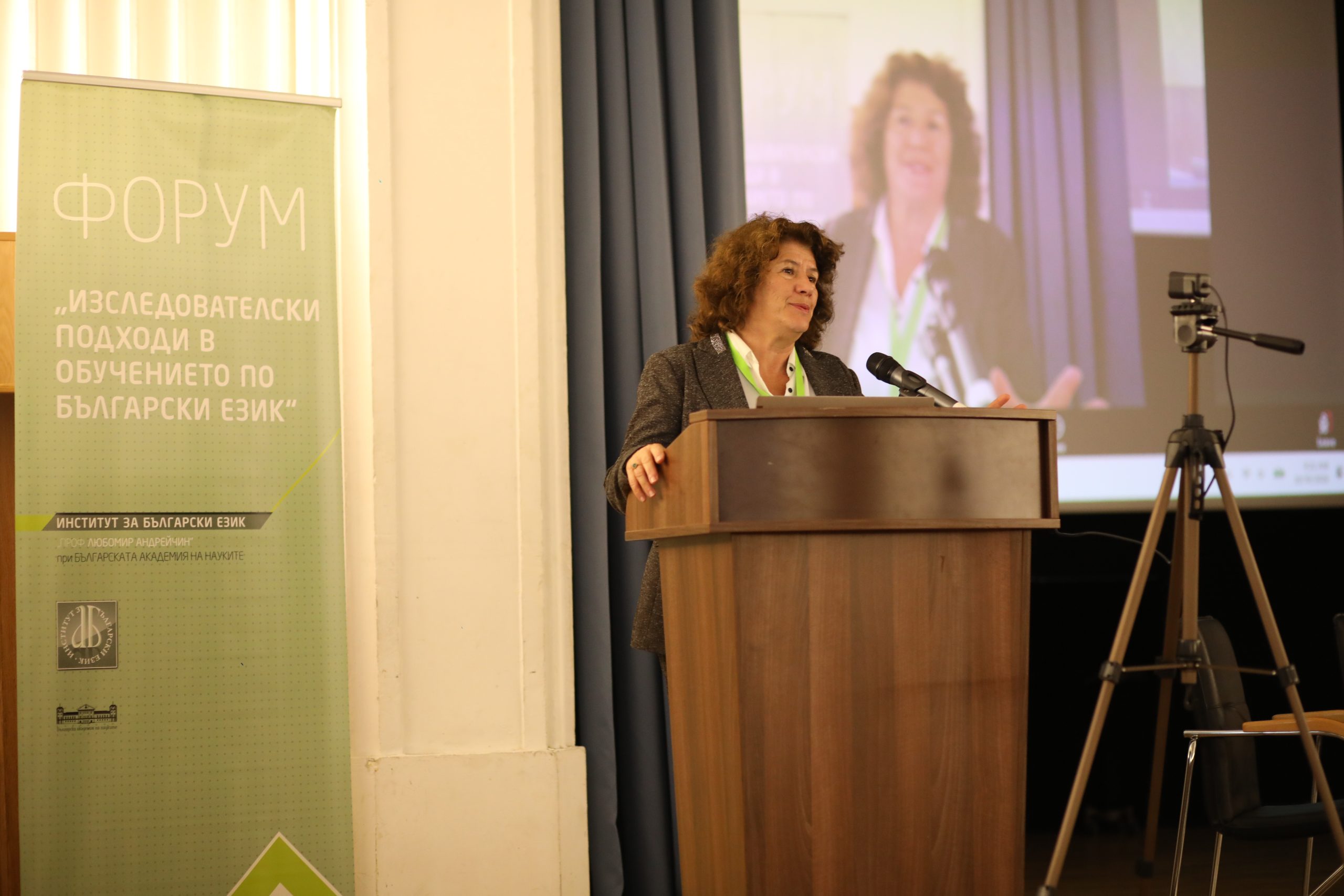
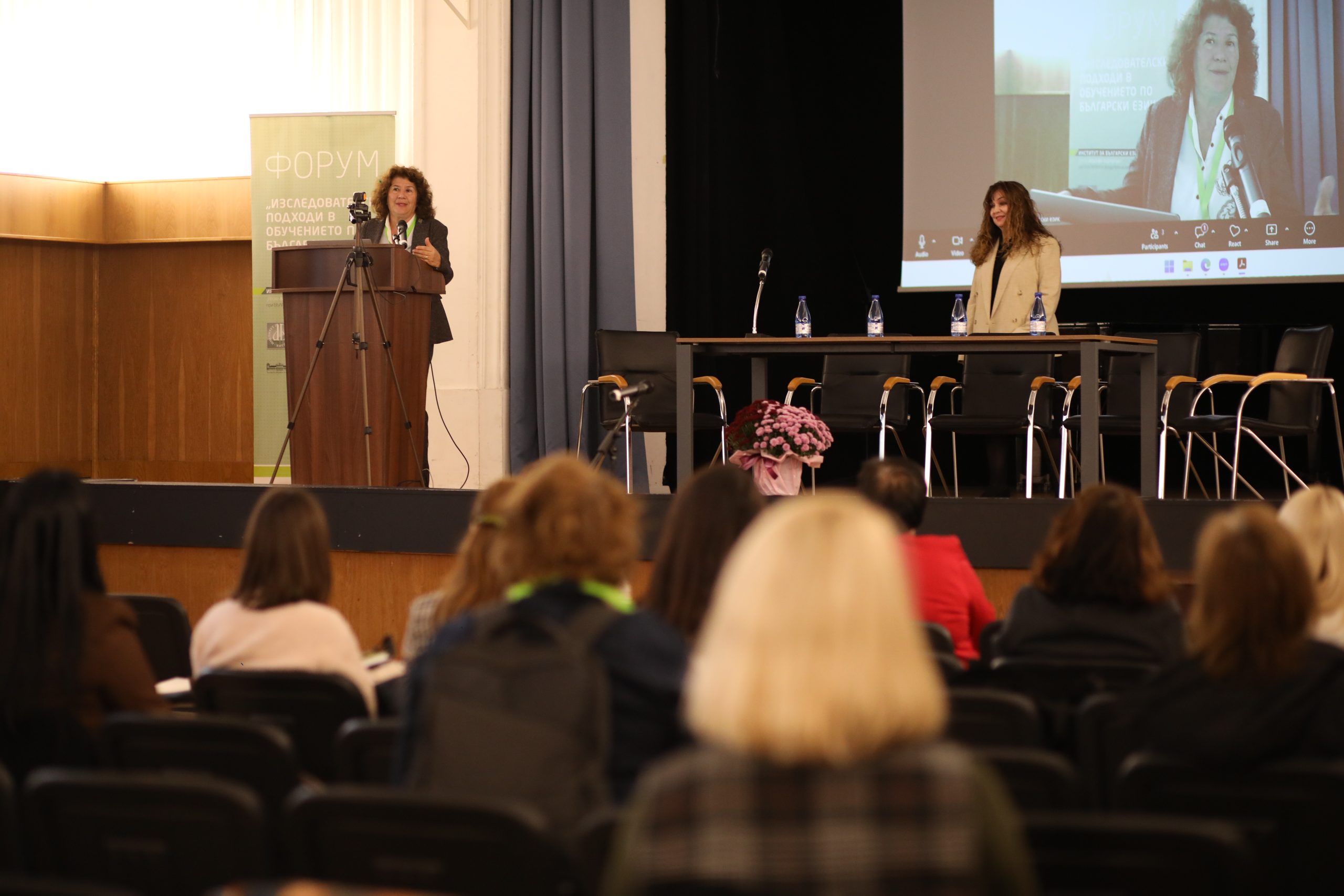
The scientific forum provides an opportunity for researchers, university lecturers, teachers and Bulgarian language experts to exchange knowledge, pedagogical strategies and practical methods related to the study of language and the needs of Bulgarian language teaching. It has established itself as a prestigious scientific event for presenting achievements in the field of effective Bulgarian language teaching.
The aims of the Forum are:
- Building networks for cooperation and knowledge exchange between Bulgarian language teachers and language researchers in order to promote research and achievements in language studies among those entrusted with fostering a love of the Bulgarian language.
- Intensive interaction between Bulgarian language teachers and language researchers aimed at understanding the problems encountered in Bulgarian language teaching, providing assistance in addressing them in various ways, and developing and implementing innovations in school practice.
- Stimulating students’ research spirit.

For the third consecutive year, the Forum will include a Special Session for Teachers and Students, dedicated to new technologies and their use in teaching and learning Bulgarian.
The session is funded under the National Programme “Education with Science” (Agreement between the Ministry of Education and Science and the Bulgarian Academy of Sciences No. D01-172 of 18 September 2024).
The other sessions will focus on the following topics, without being limited to them:
- Good practices in applying research approaches in Bulgarian language teaching.
- Developing students’ critical thinking in Bulgarian language teaching.
- Fostering students’ creative abilities in Bulgarian language teaching.
- Opportunities and challenges for students in online communication.
- Artificial intelligence and its application in learning Bulgarian.
- Strategies for overcoming language difficulties through the use of various innovative approaches.
The conference will be held in person. The participation fee will be covered by the organiser, while transportation, accommodation and daily expenses will be borne by the participant.
Participants attending the forum will receive a certificate of participation in the Forum “Research Approaches in Bulgarian Language Teaching”, while participants presenting a paper will receive a certificate for one qualification credit.
Papers will be published after peer review. In 2025, the papers were published in the journal Bulgarian Language and Literature, published by the National Publishing House for Science and Education “Az-buki”.
Organising Committee
Assist. Prof. Nadezhda Dancheva, Ph.D. (Institute for Bulgarian Language “Prof. Lyubomir Andreychin”) – Chair
Programme Committee
Prof. Svetla Koeva, Ph.D. (Institute for Bulgarian Language “Prof. Lyubomir Andreychin”) – Chair
The conference will be held in person. The participation fee will be covered by the organiser, while transportation, accommodation and daily expenses will be borne by the participant.
Participants attending the forum will receive a certificate of participation in the Forum “Research Approaches in Bulgarian Language Teaching”, while participants presenting a paper will receive a certificate for one qualification credit.
If you would like to give a paper, we recommend registering by 10 October 2026.
PROGRAMME
of the Eleventh Forum organised by the Institute for Bulgarian Language “Prof. Lyubomir Andreychin” at the Bulgarian Academy of Sciences
“Research Approaches in Bulgarian Language Teaching”
30 October 2026, BIAD Hall, 108 G. S. Rakovski St.
The Forum “Research Approaches in Bulgarian Language Teaching” is organised by the Institute for Bulgarian Language “Prof. Lyubomir Andreychin” at the Bulgarian Academy of Sciences as part of the project “What Is Written Remains. Write Correctly!” and with the support of the National Research Programme “Development of Research and Innovation in the Bulgarian Preschool and School Education System”.

Special Session with the participation of teachers and students
The session is funded under the National Programme “Education with Science” (Agreement between the Ministry of Education and Science and the Bulgarian Academy of Sciences No. D01-172 of 18 September 2024).
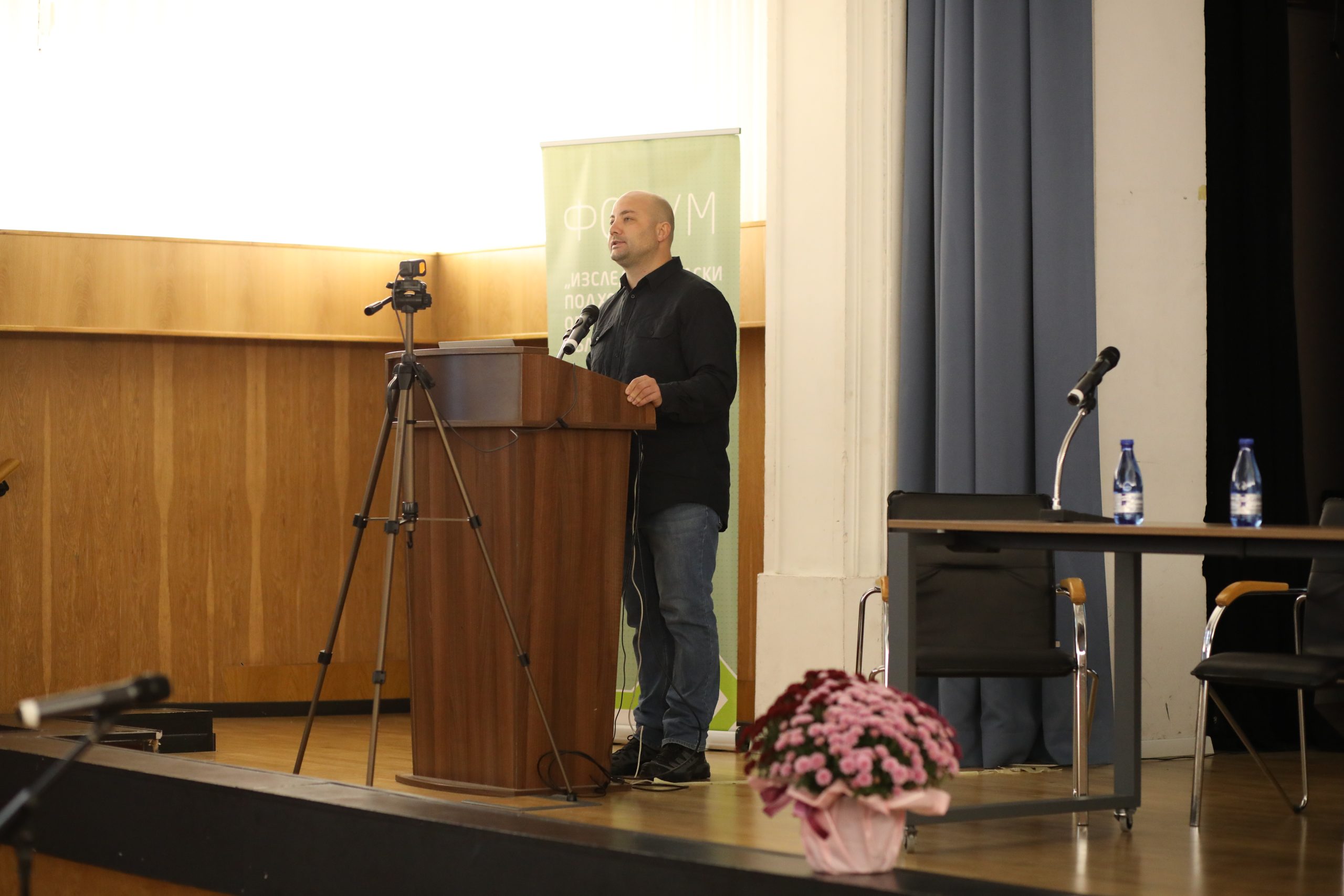
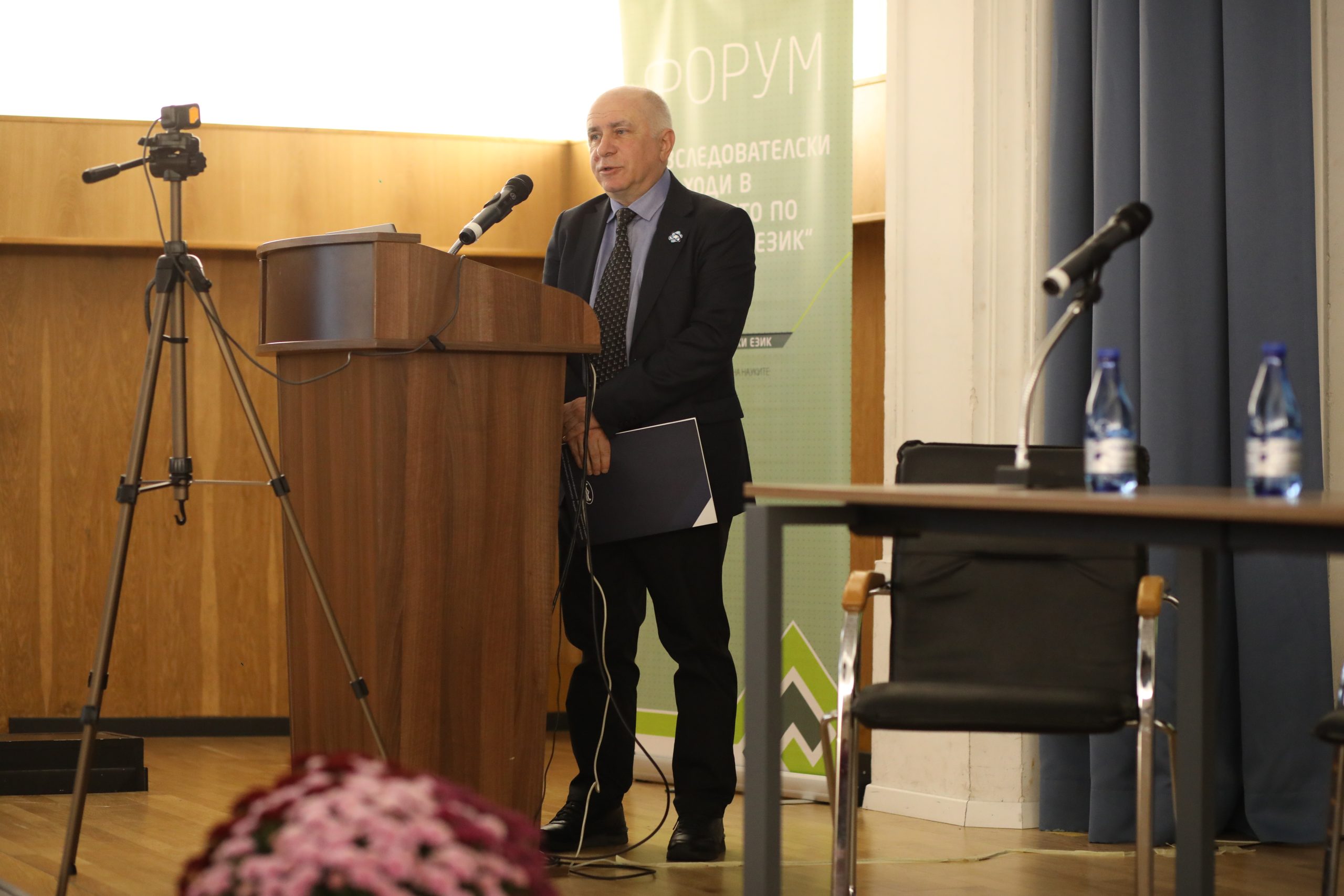
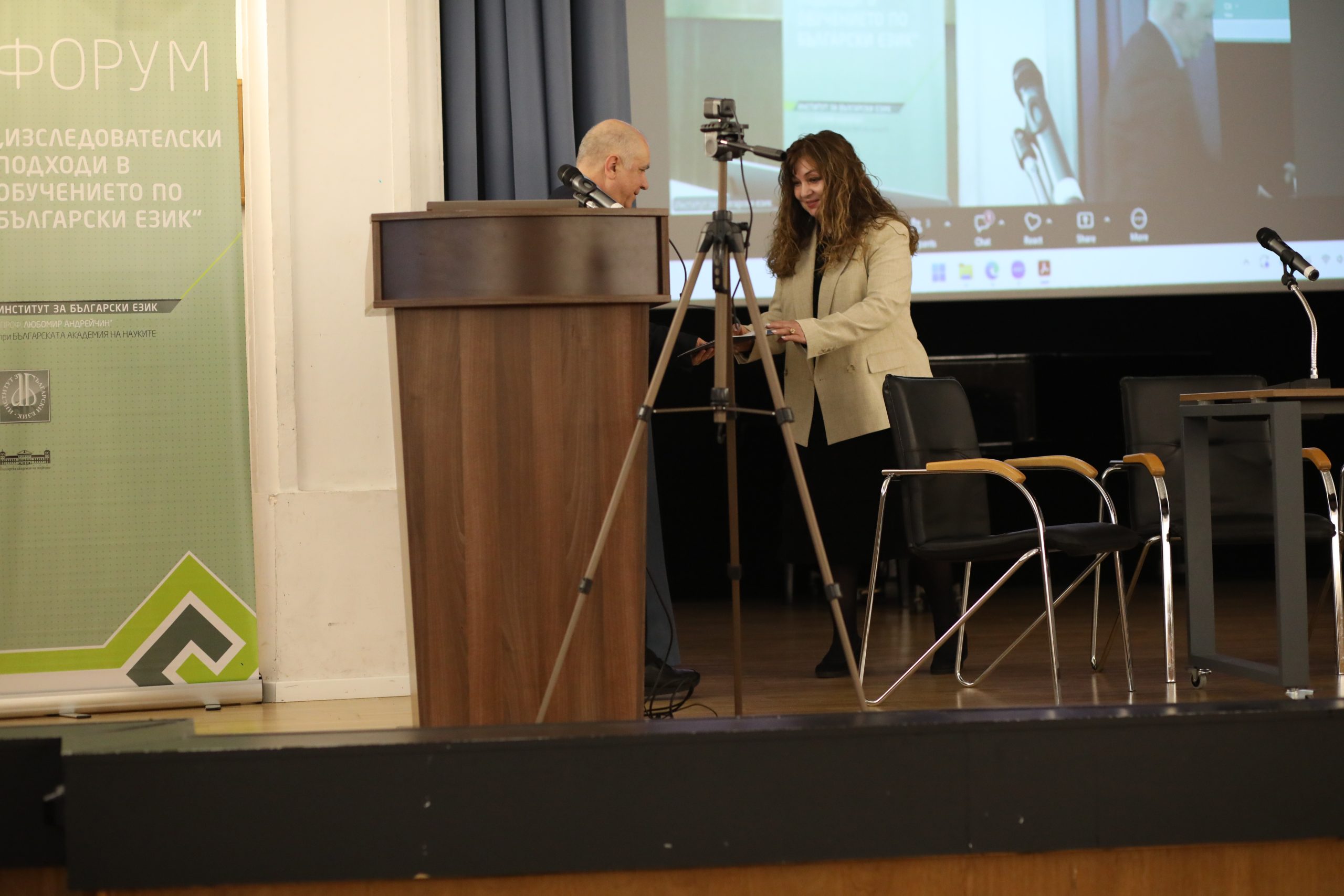
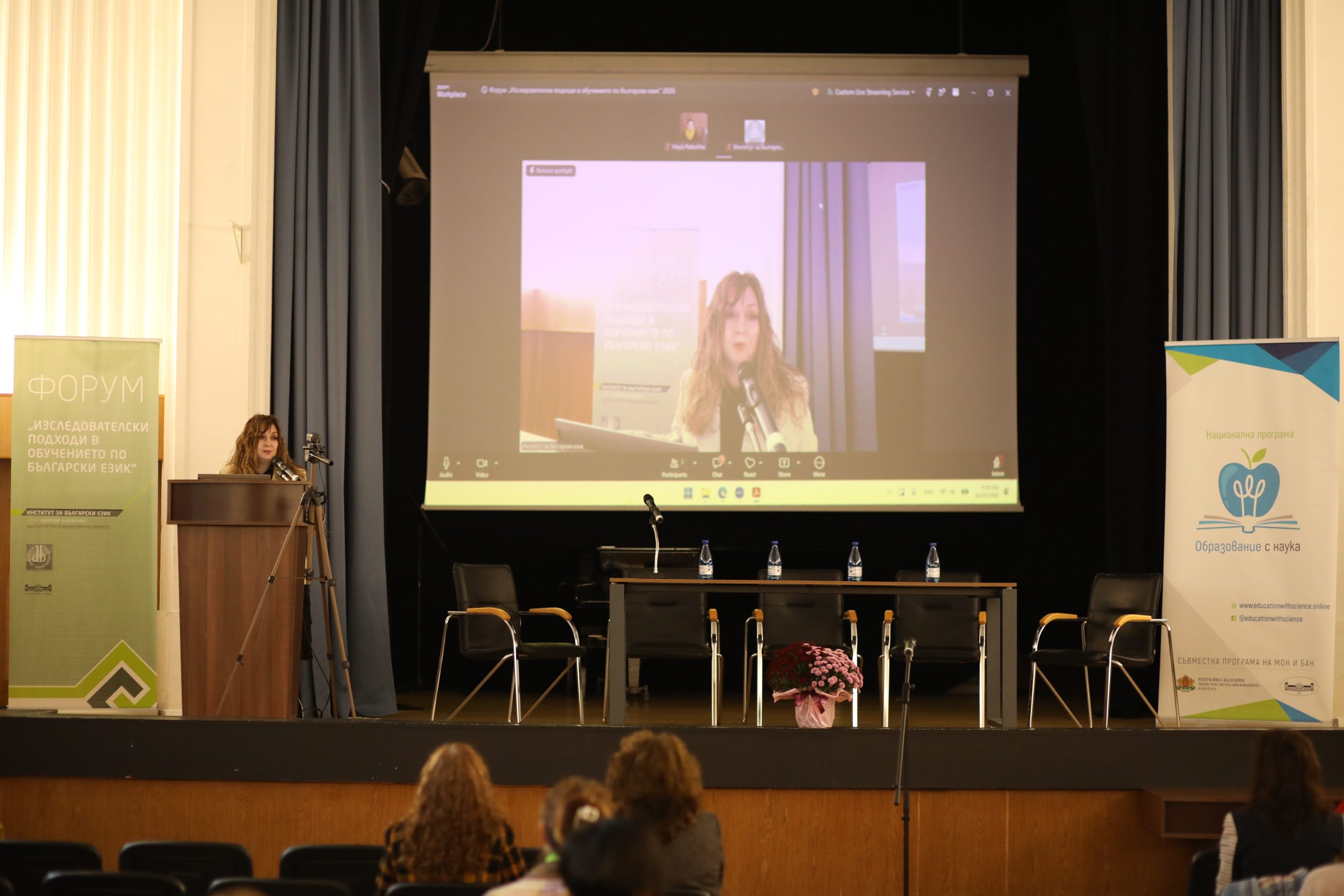
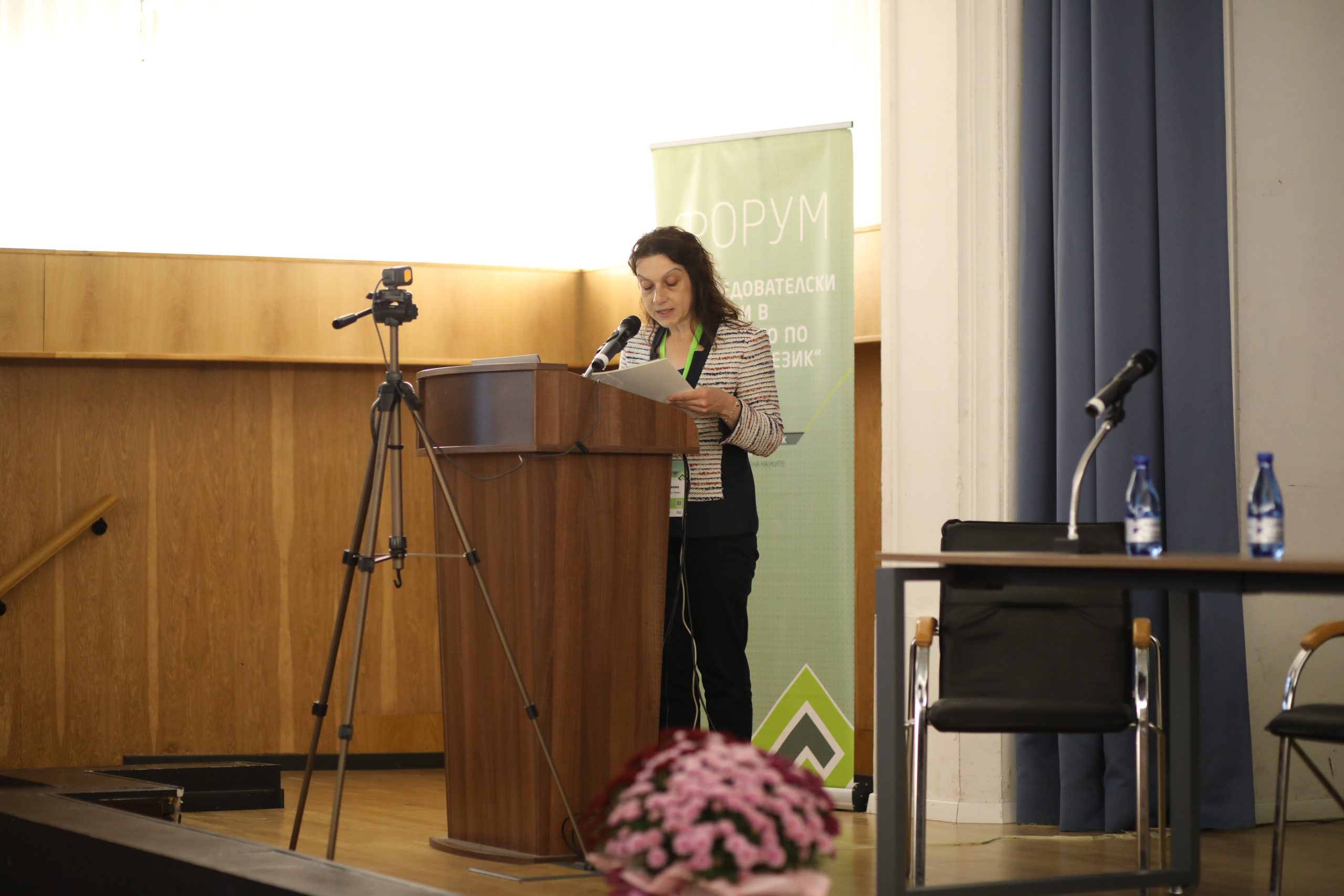
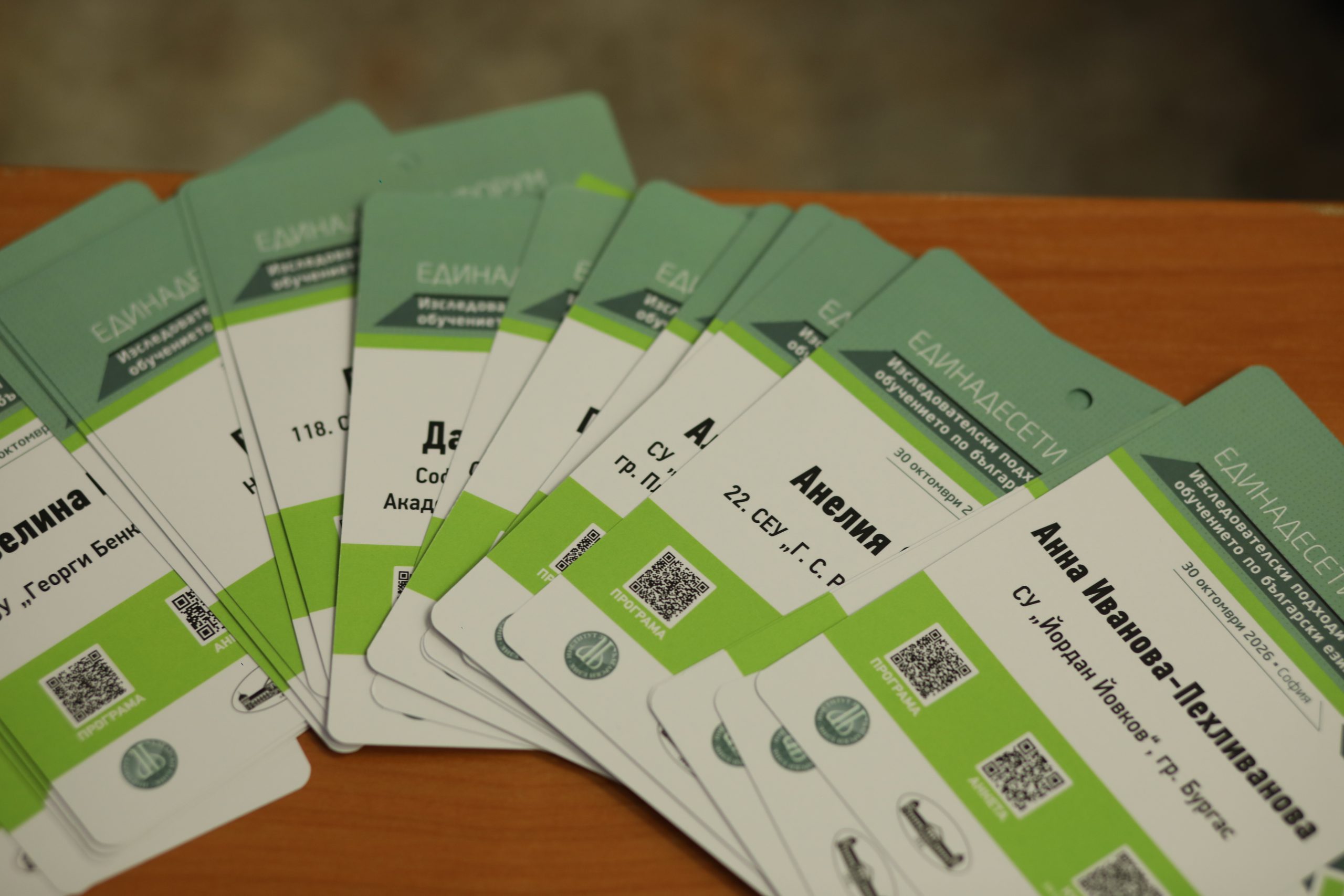
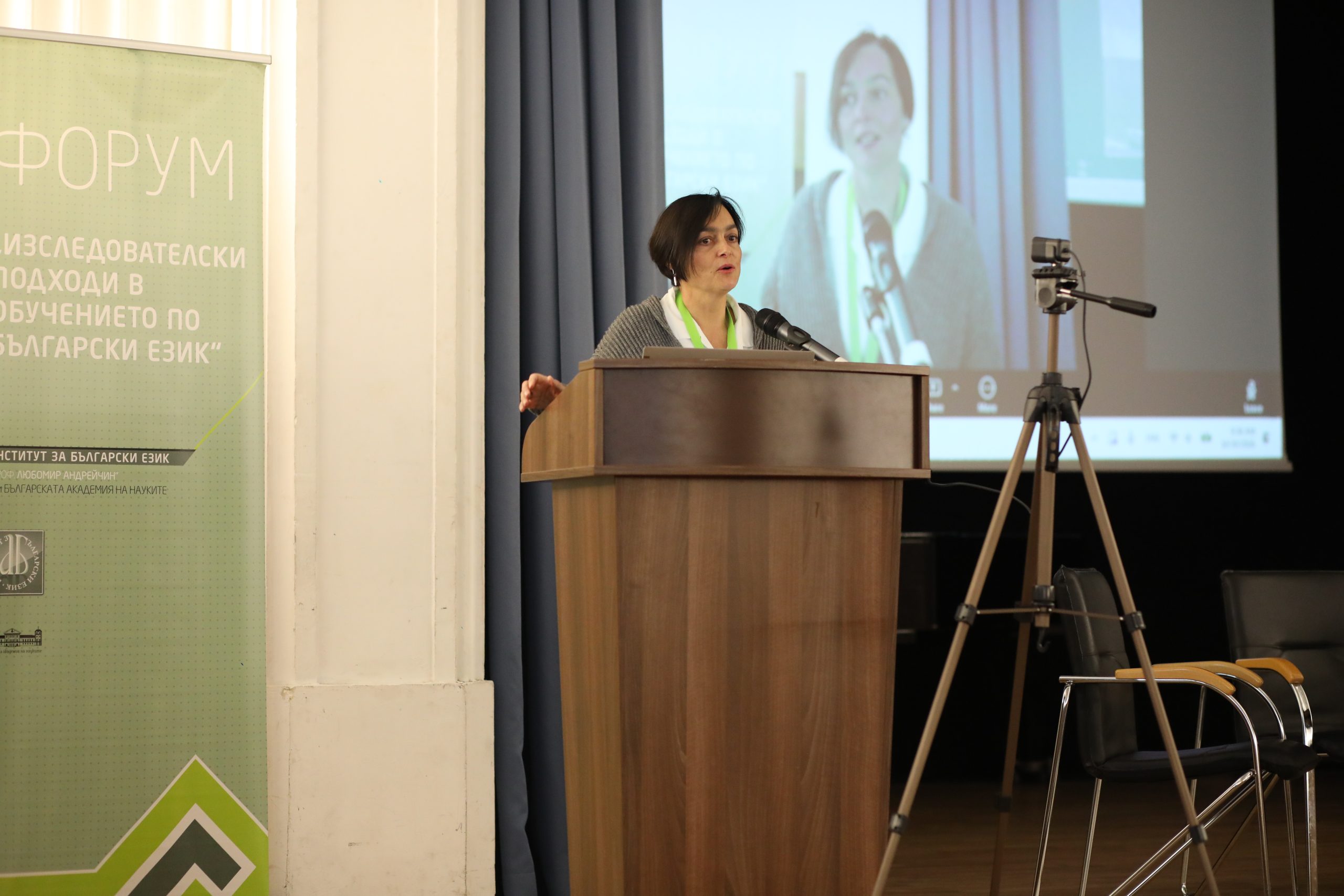
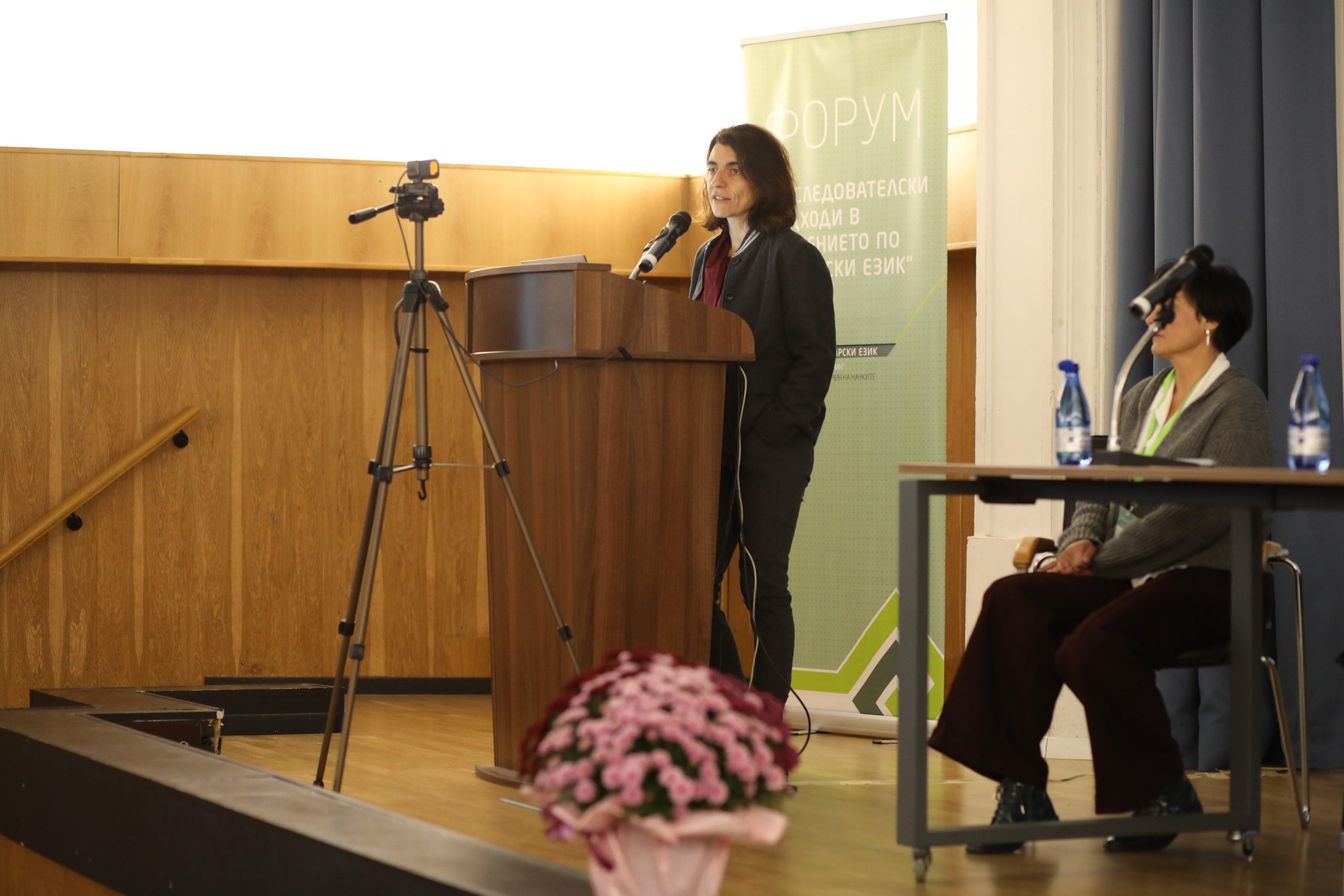
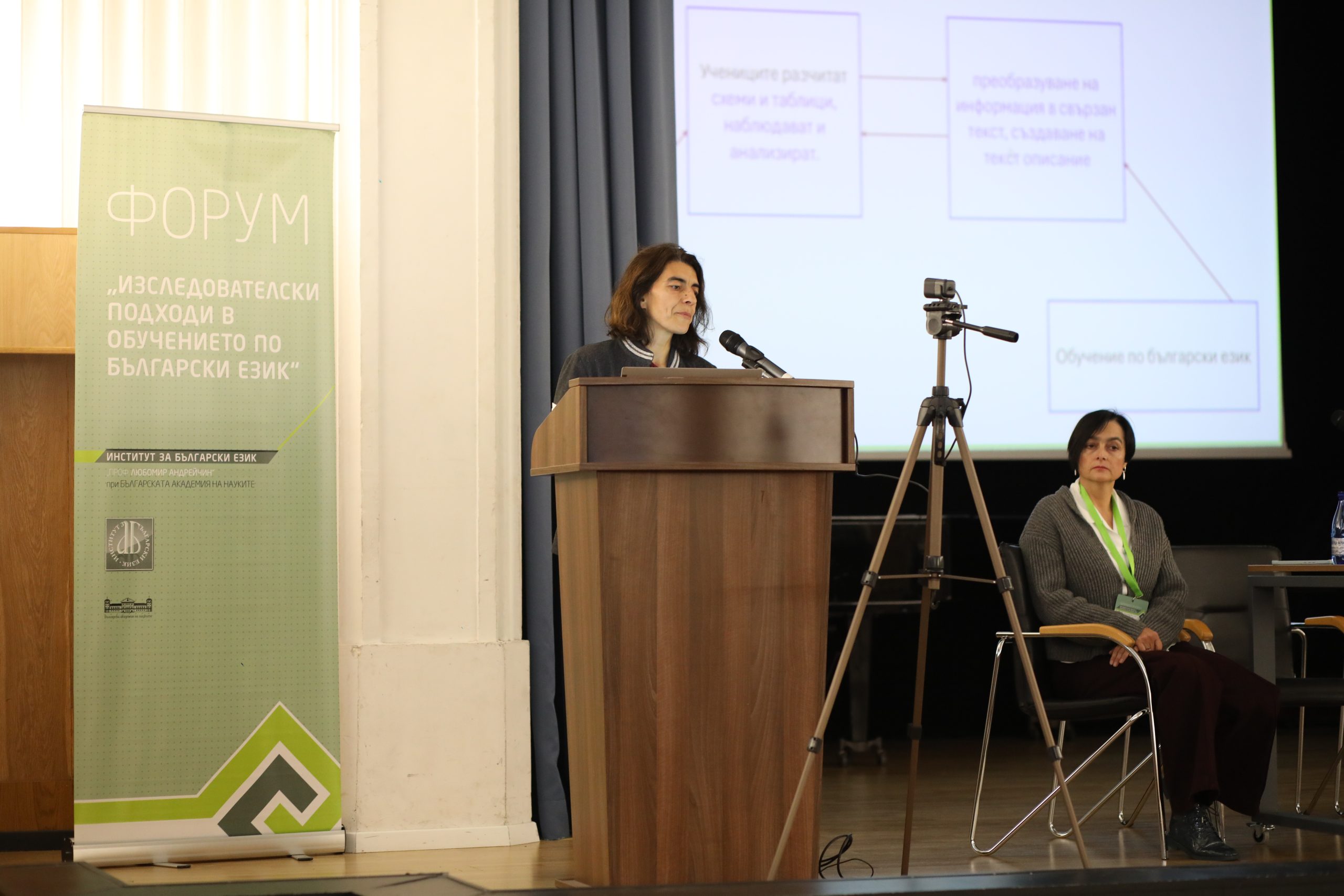
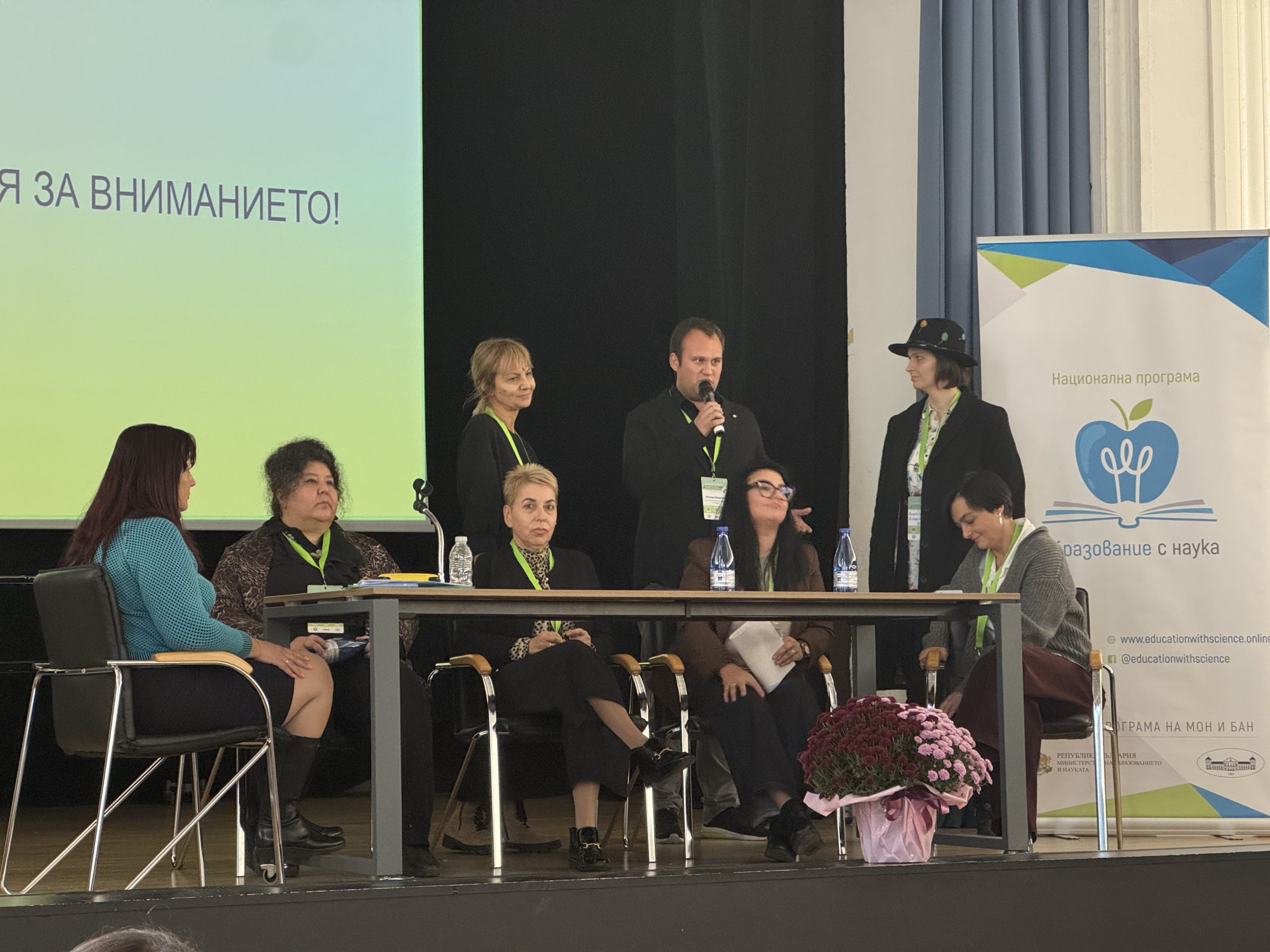
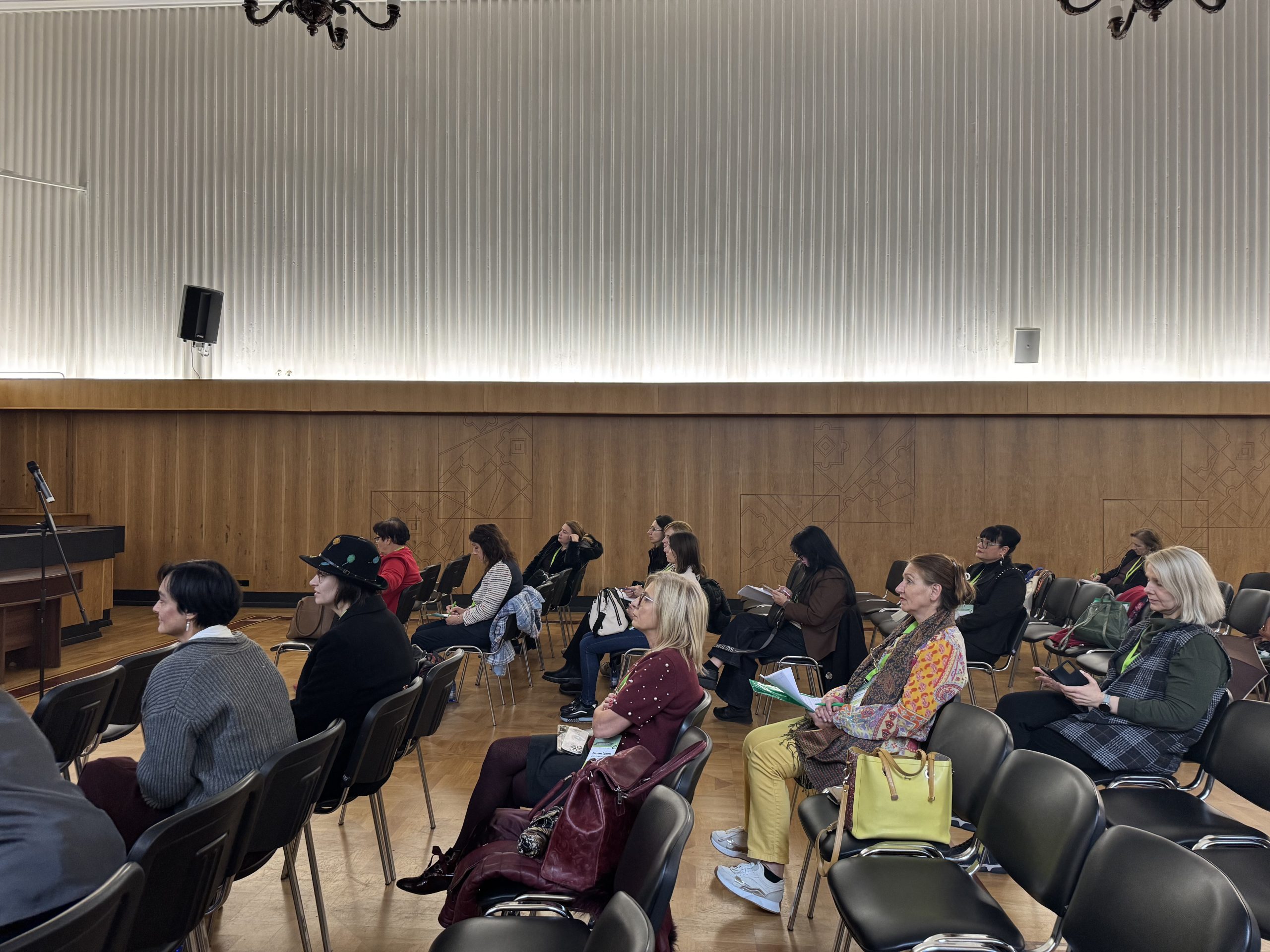
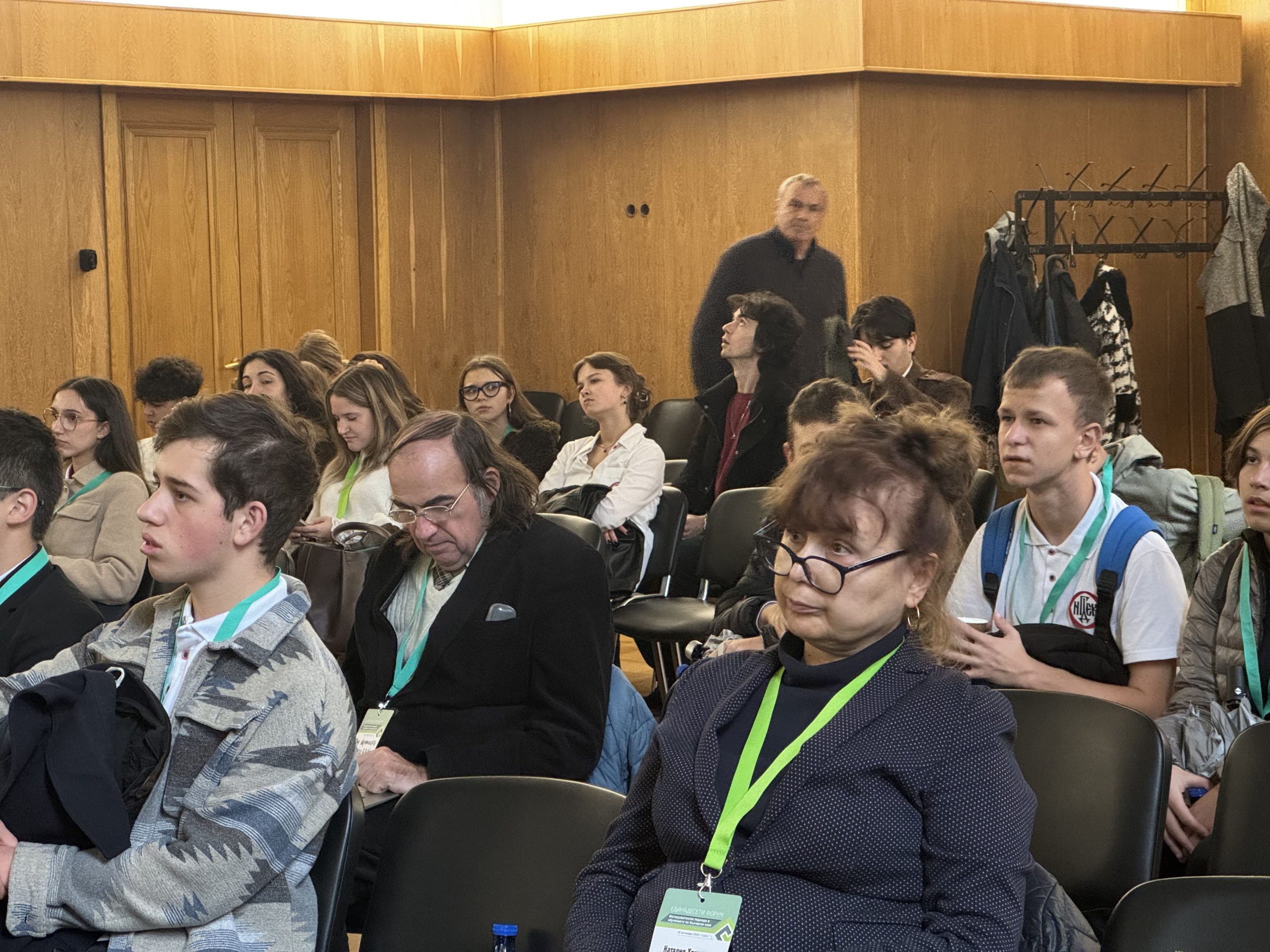
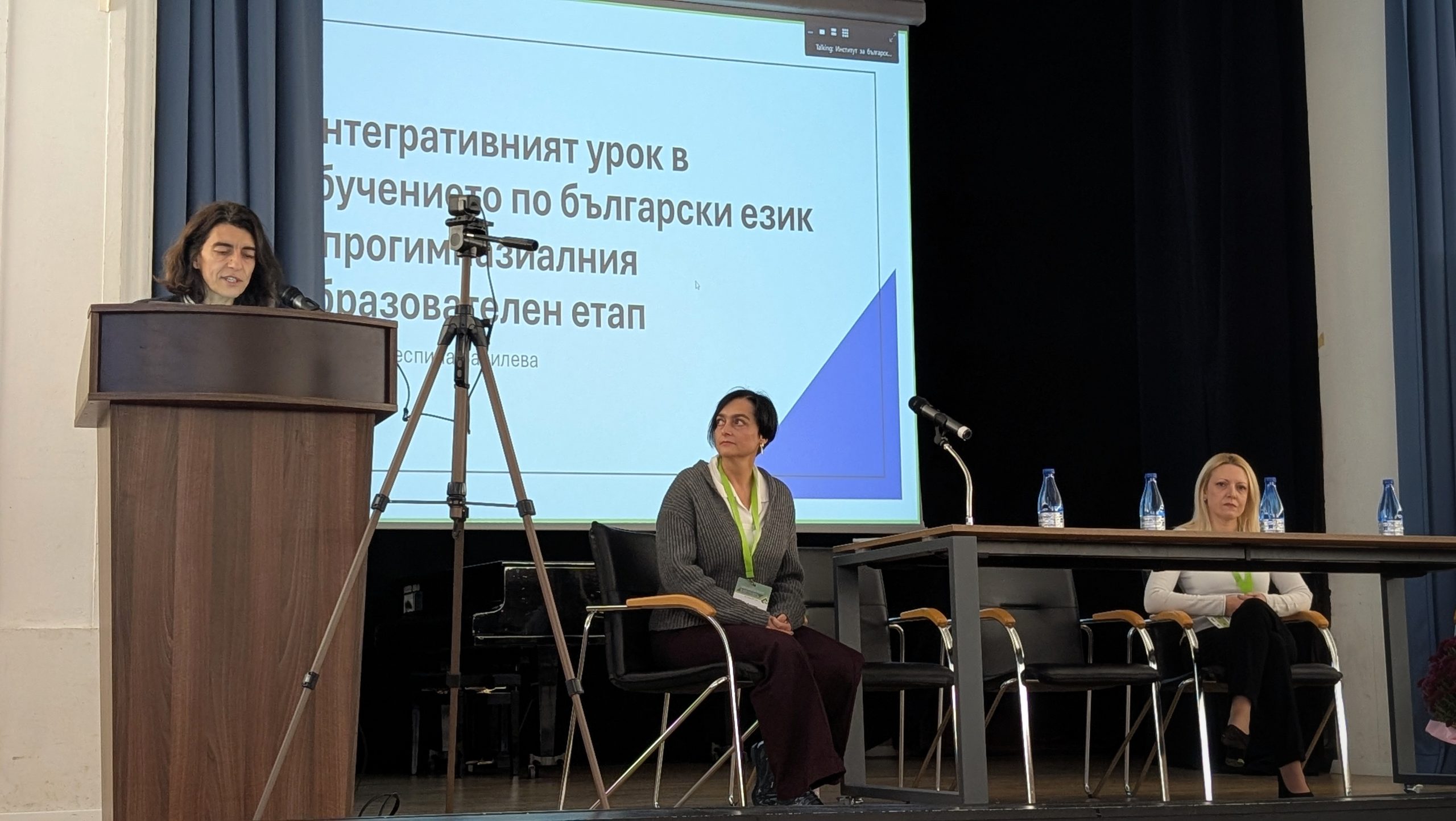
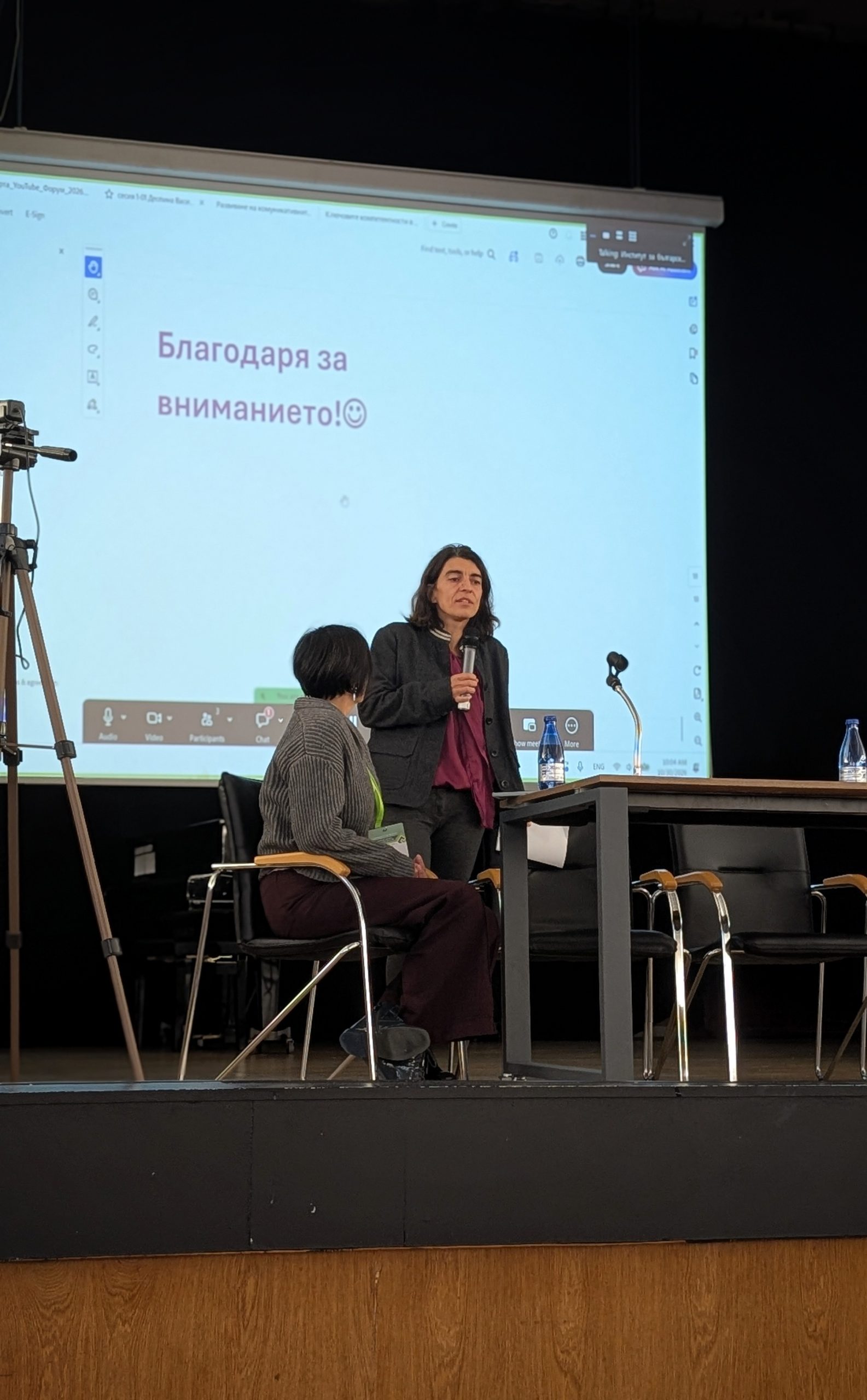
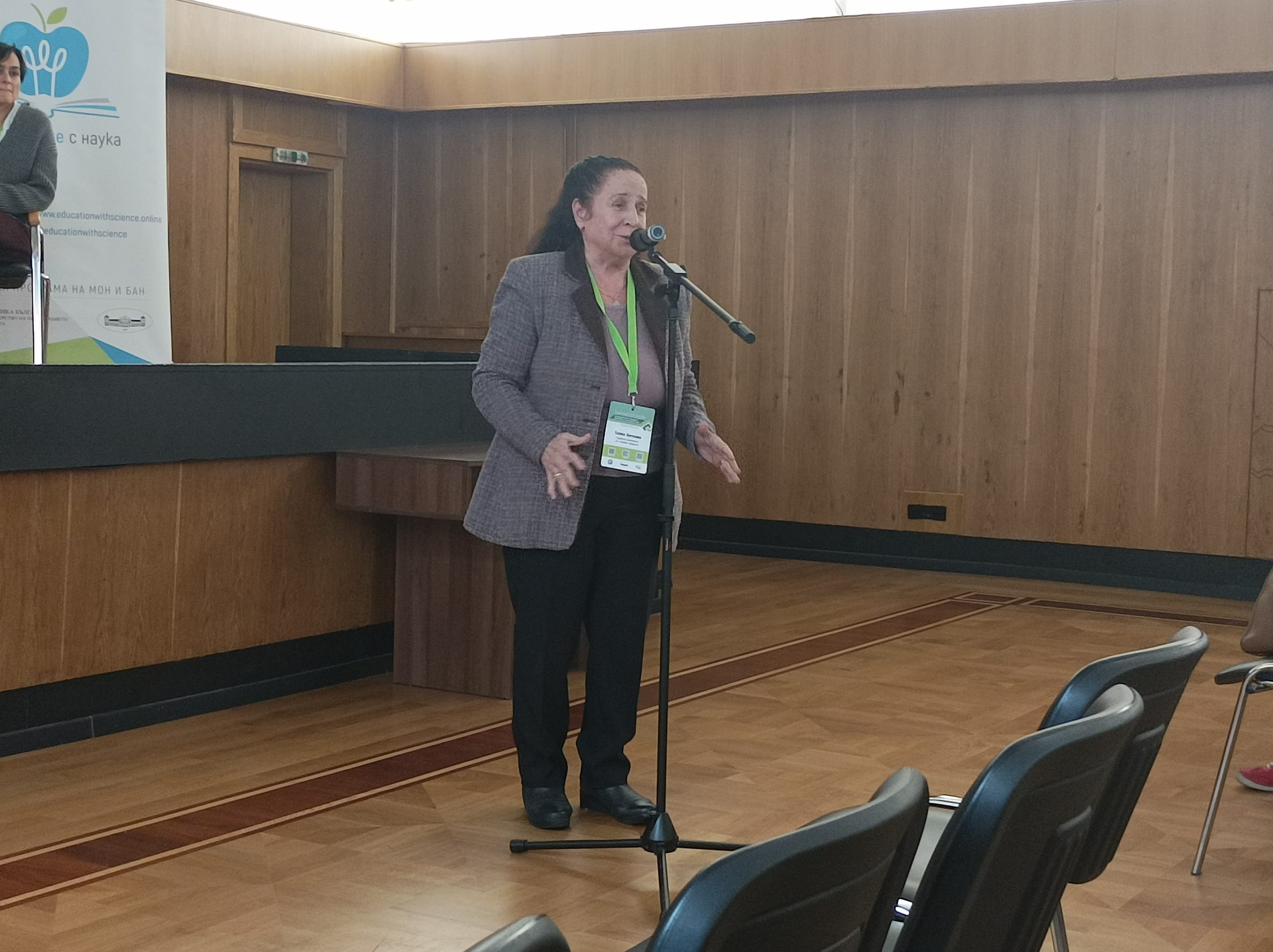
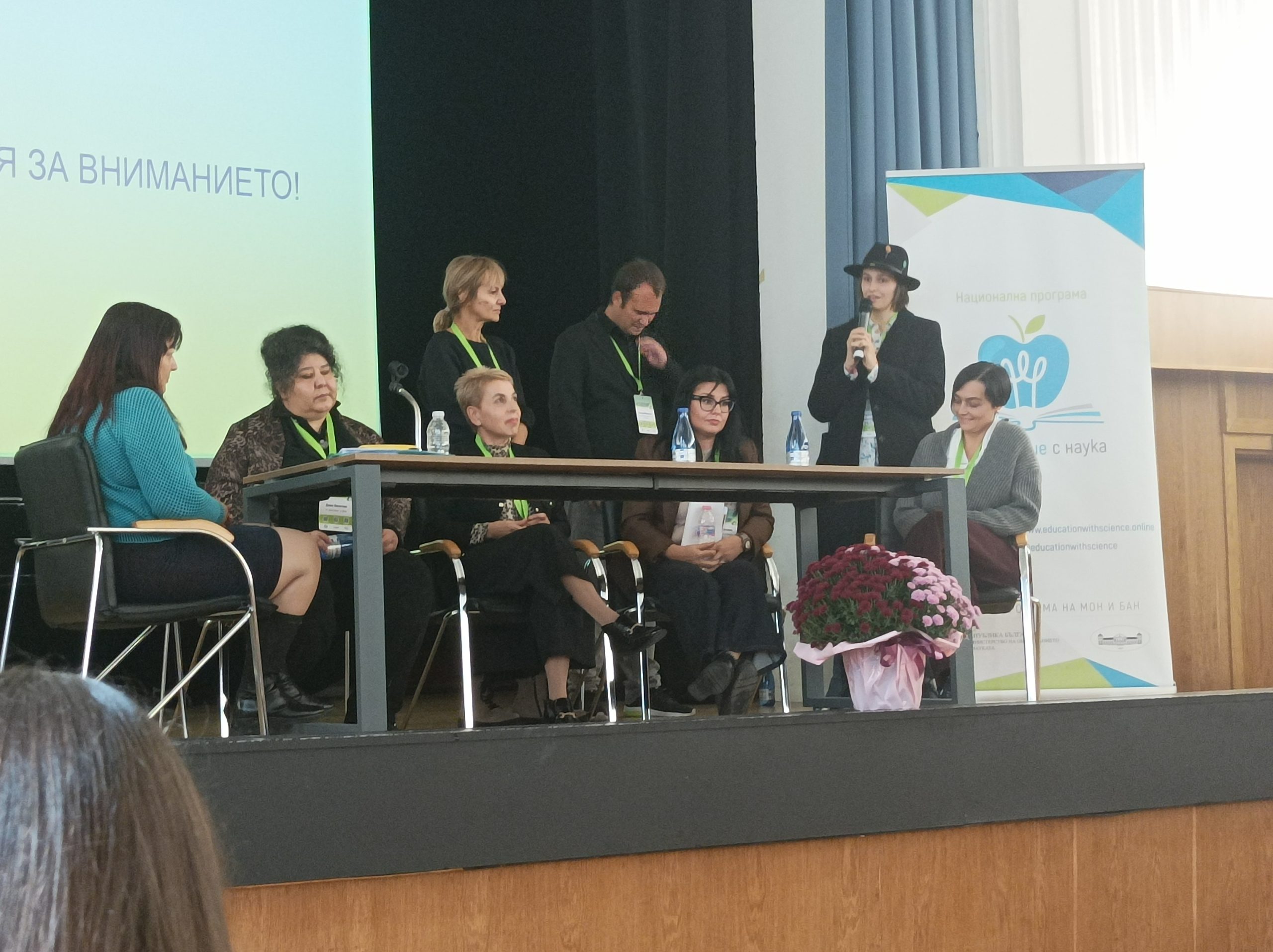
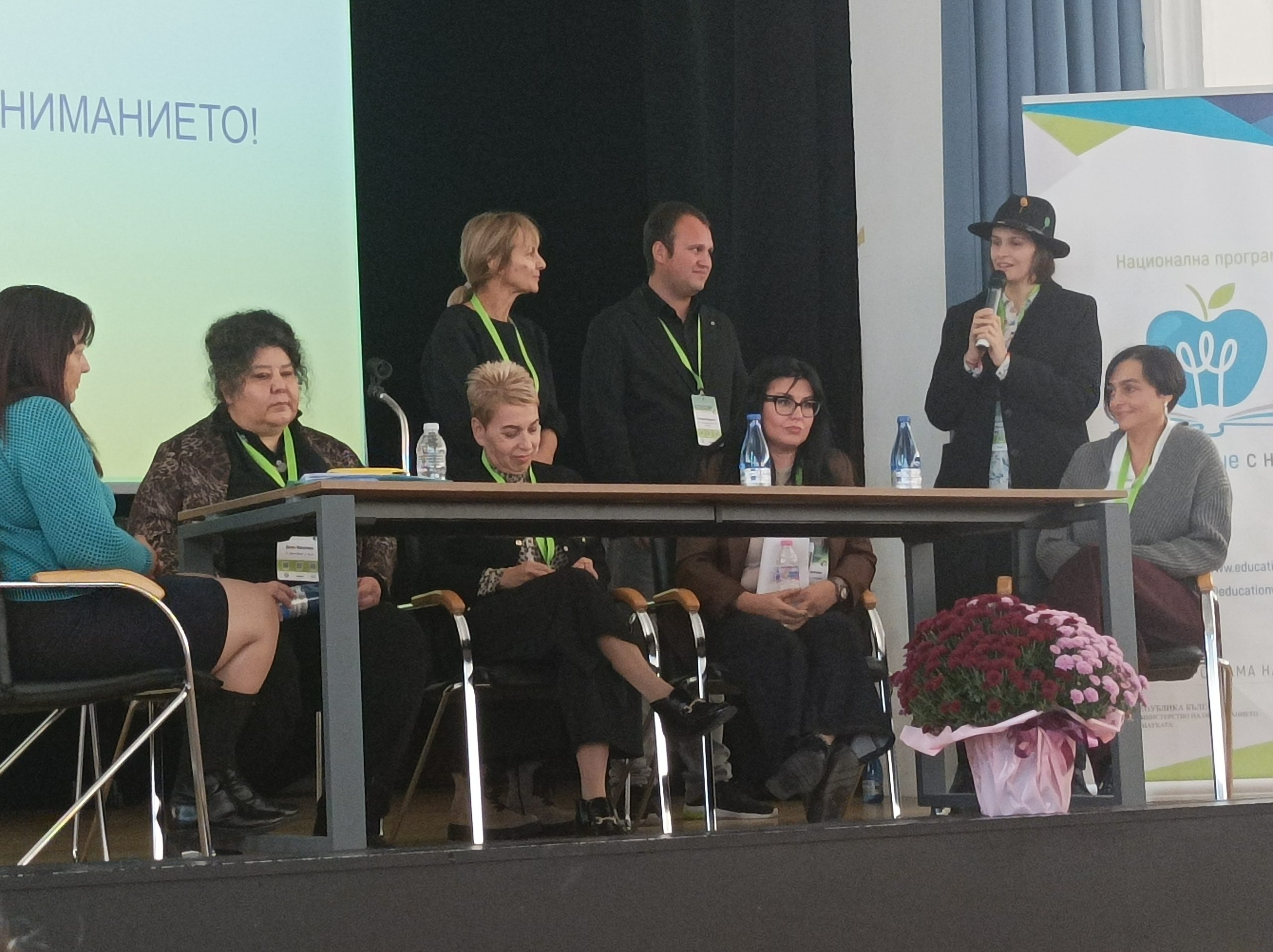

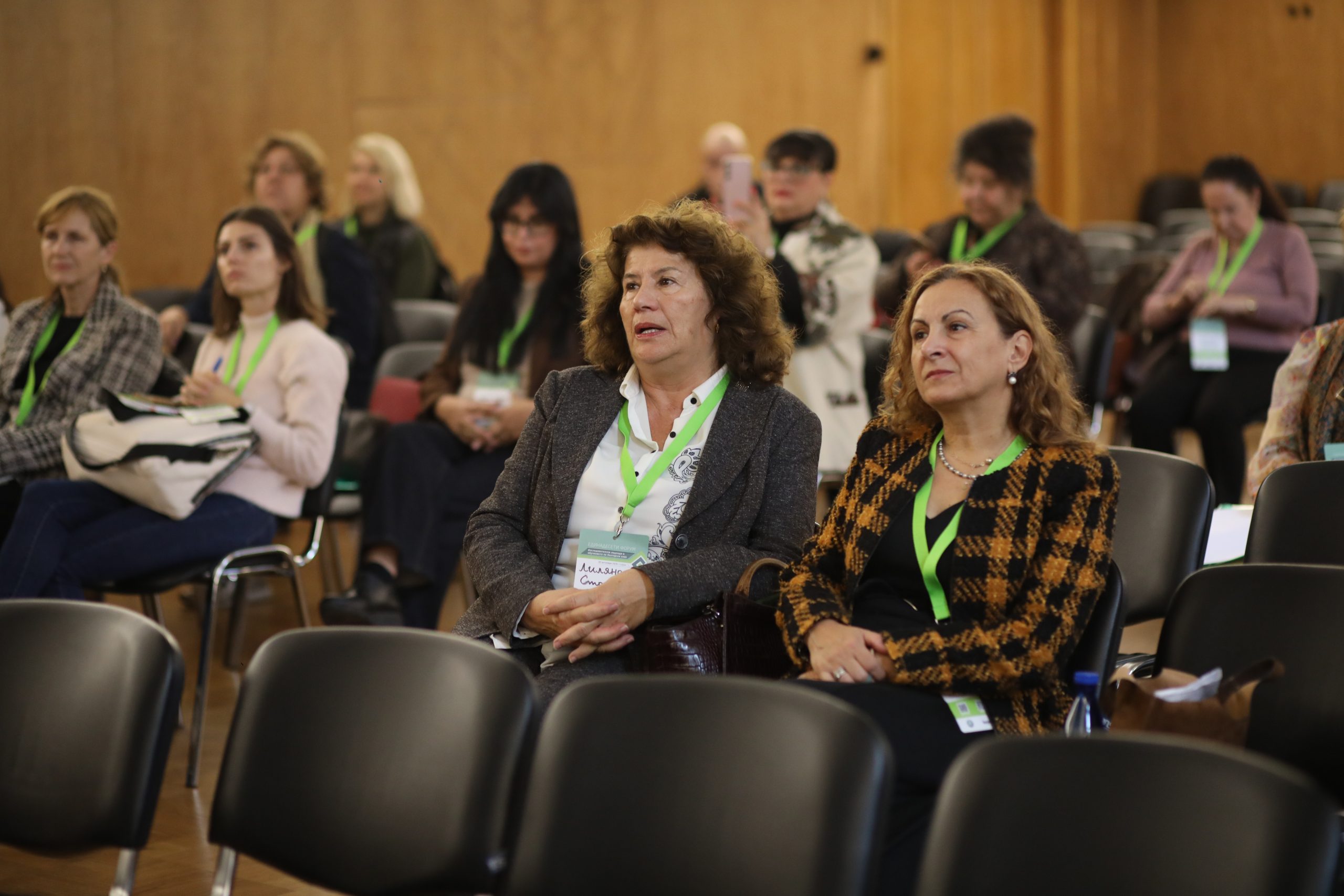
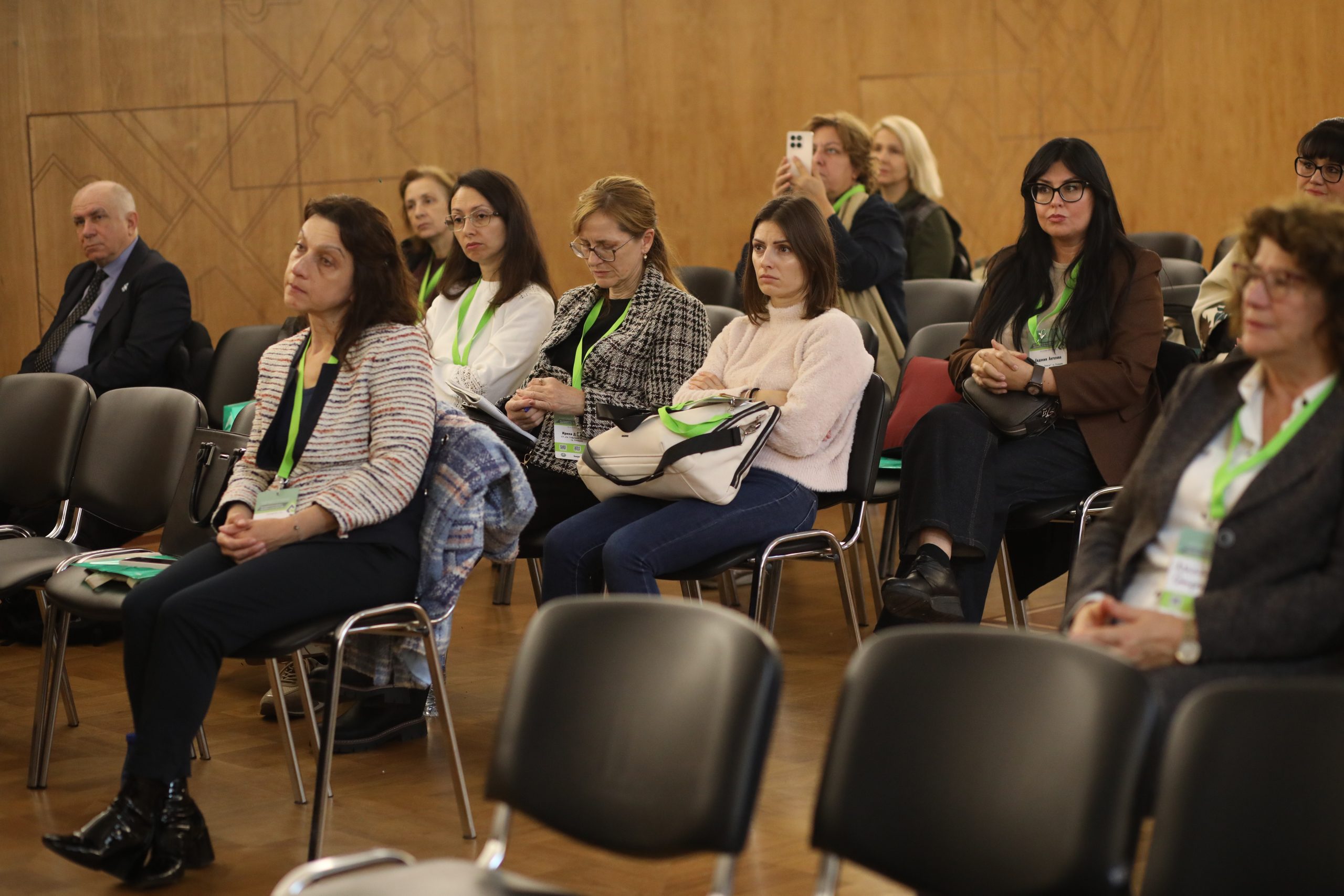
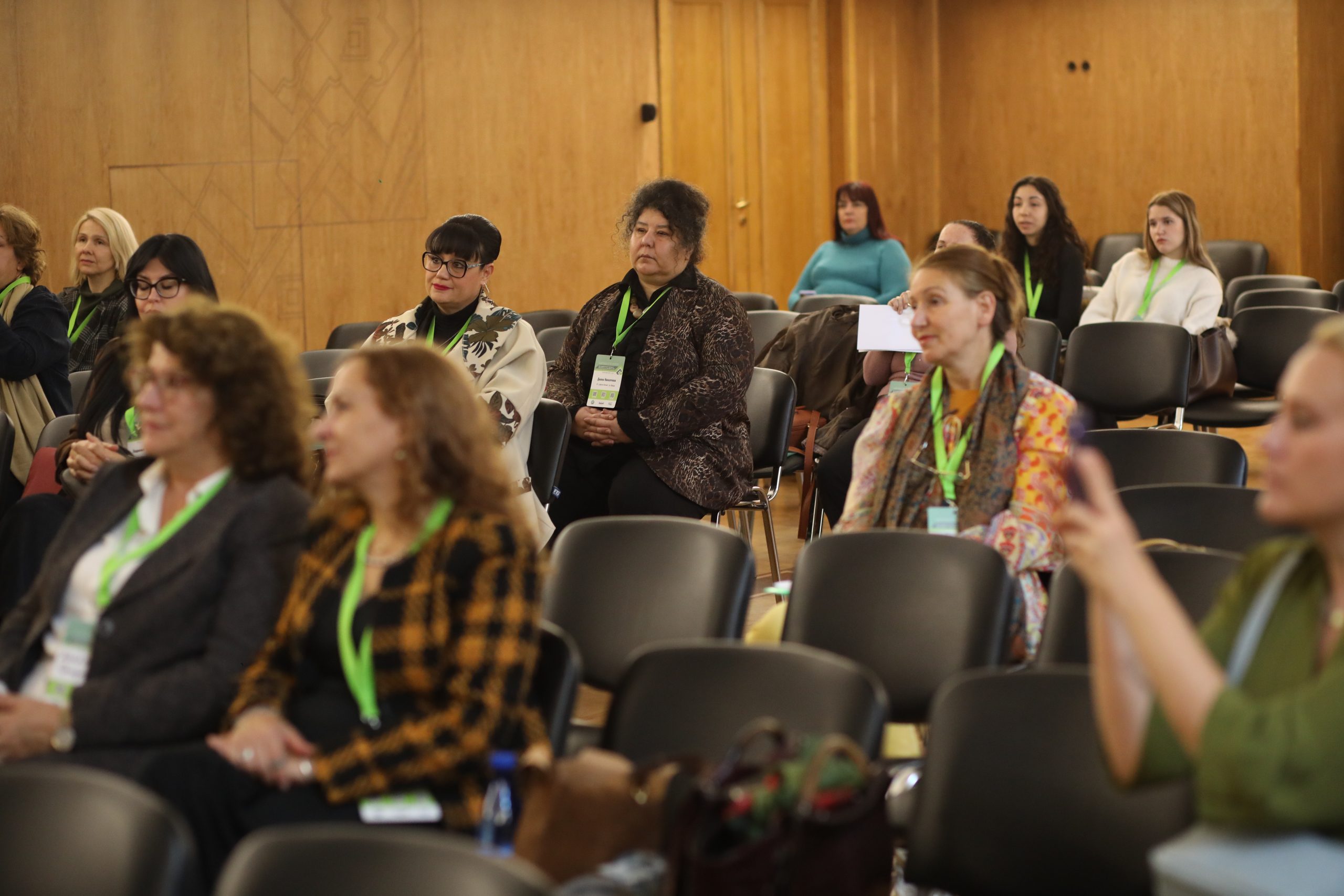
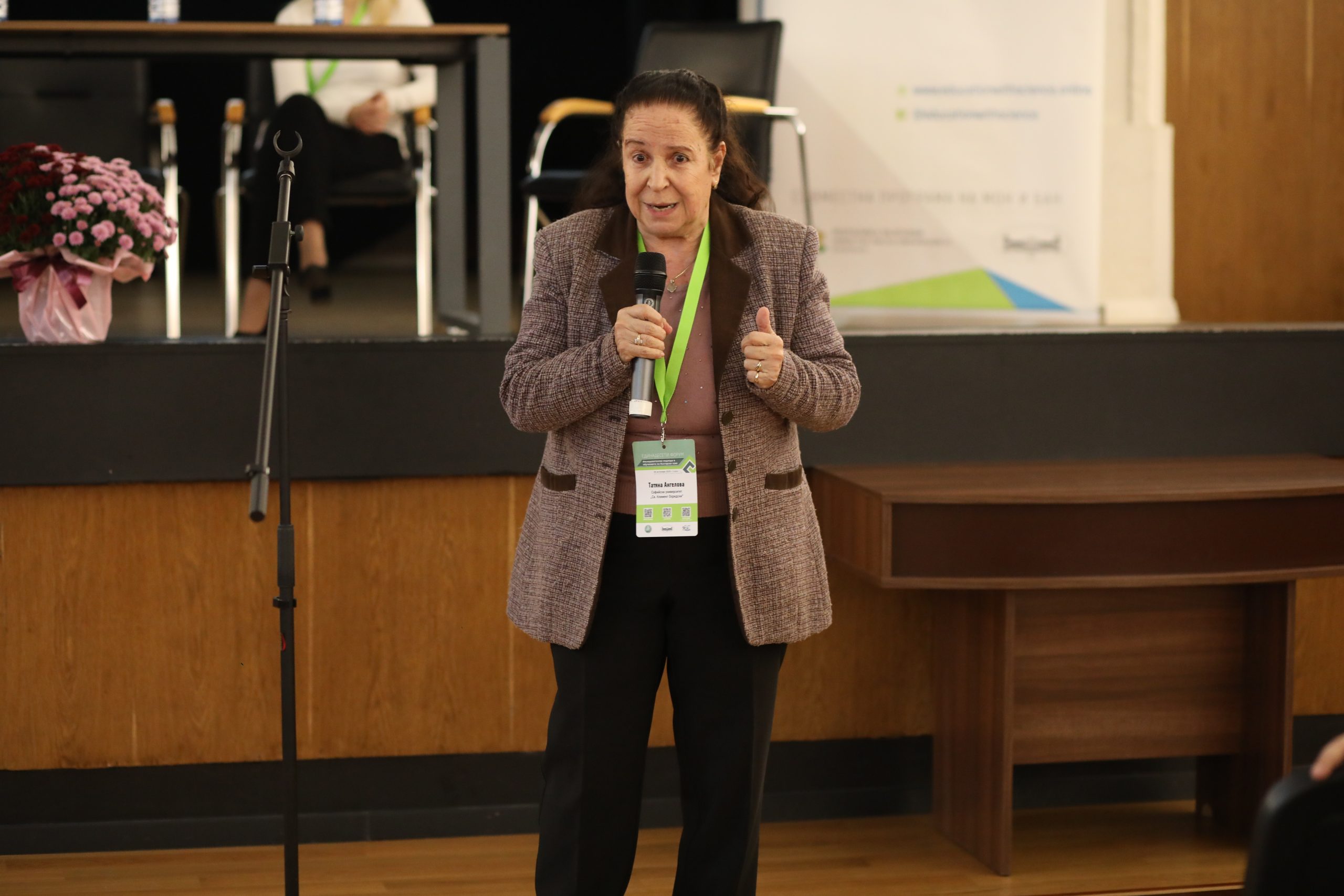
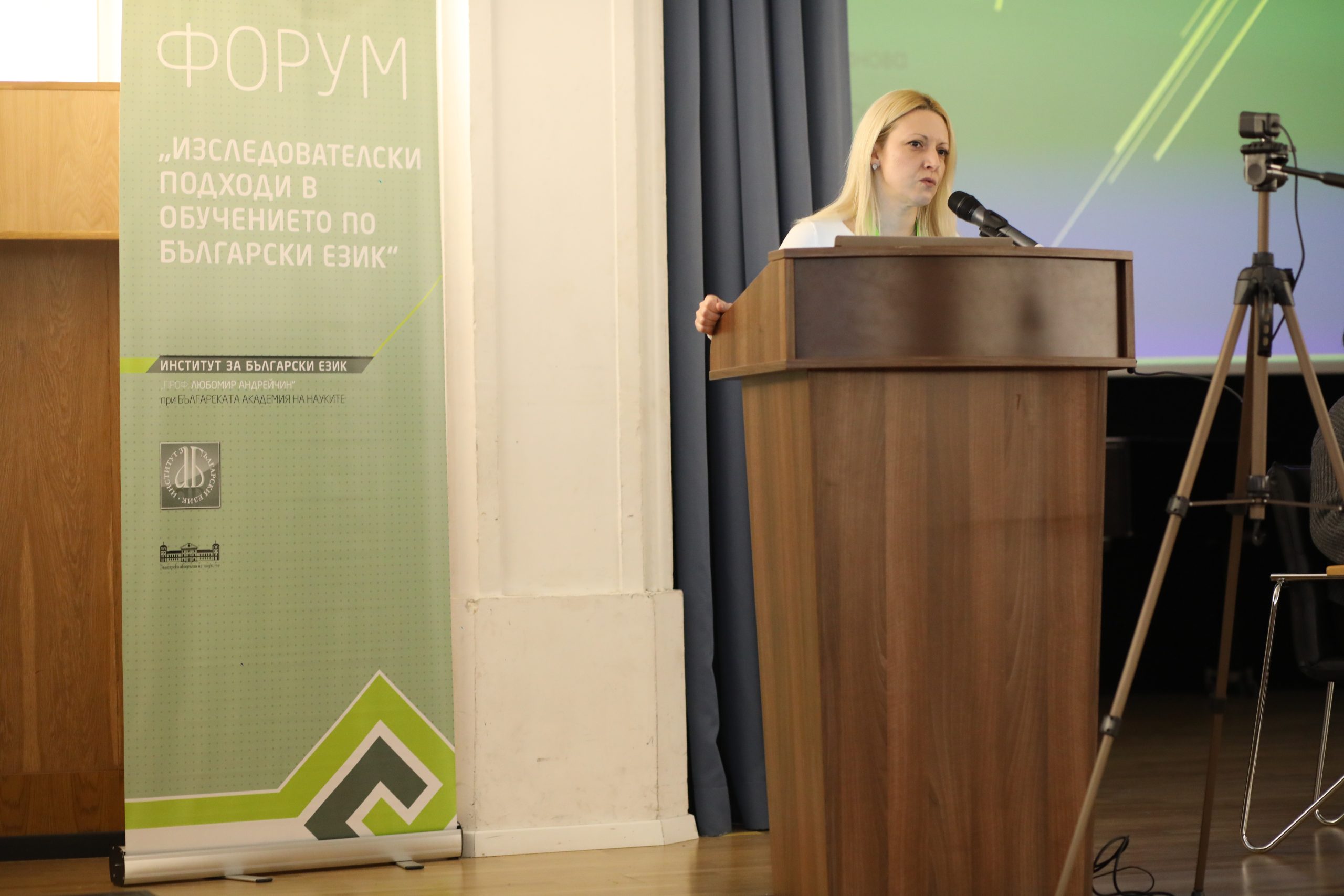
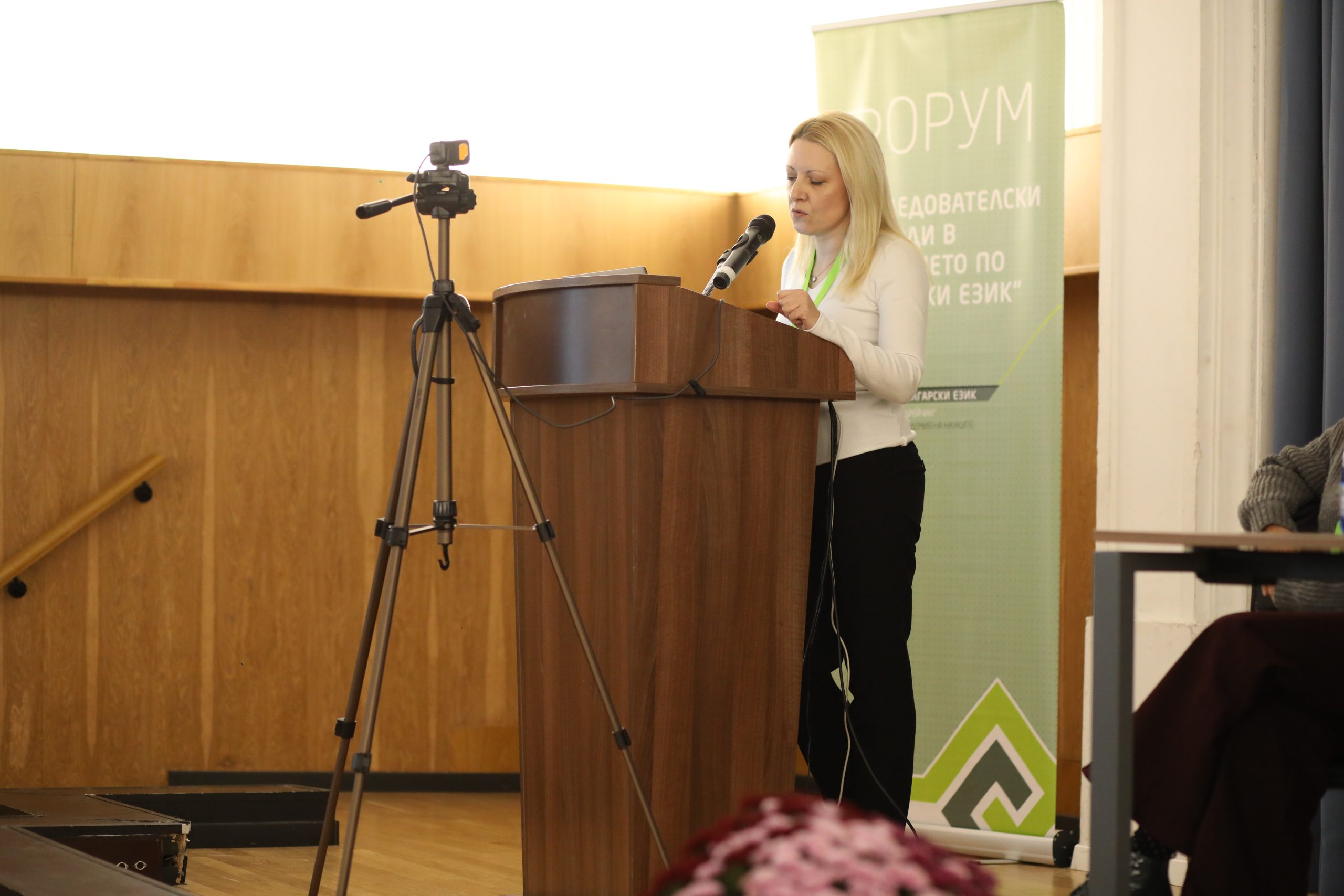
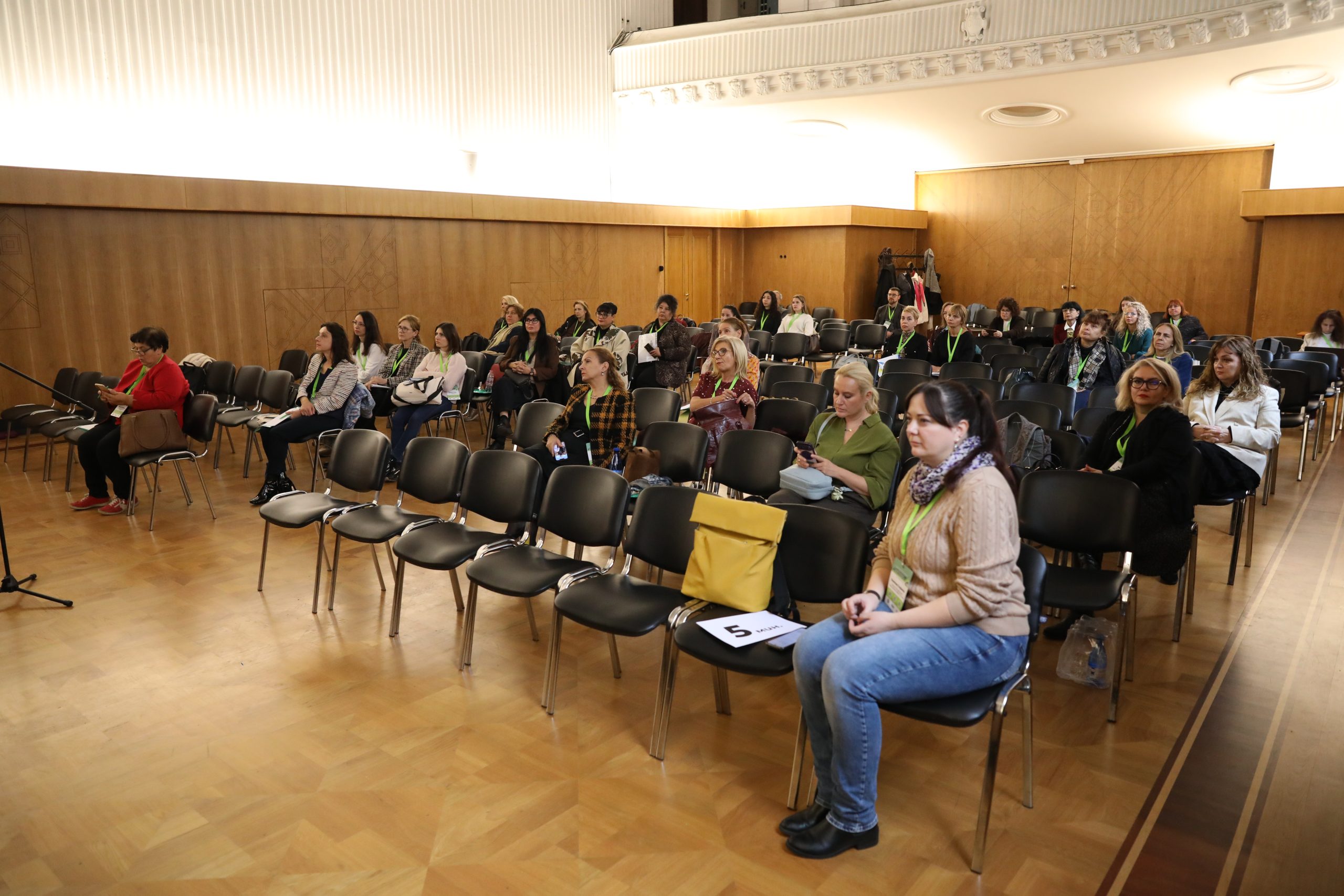
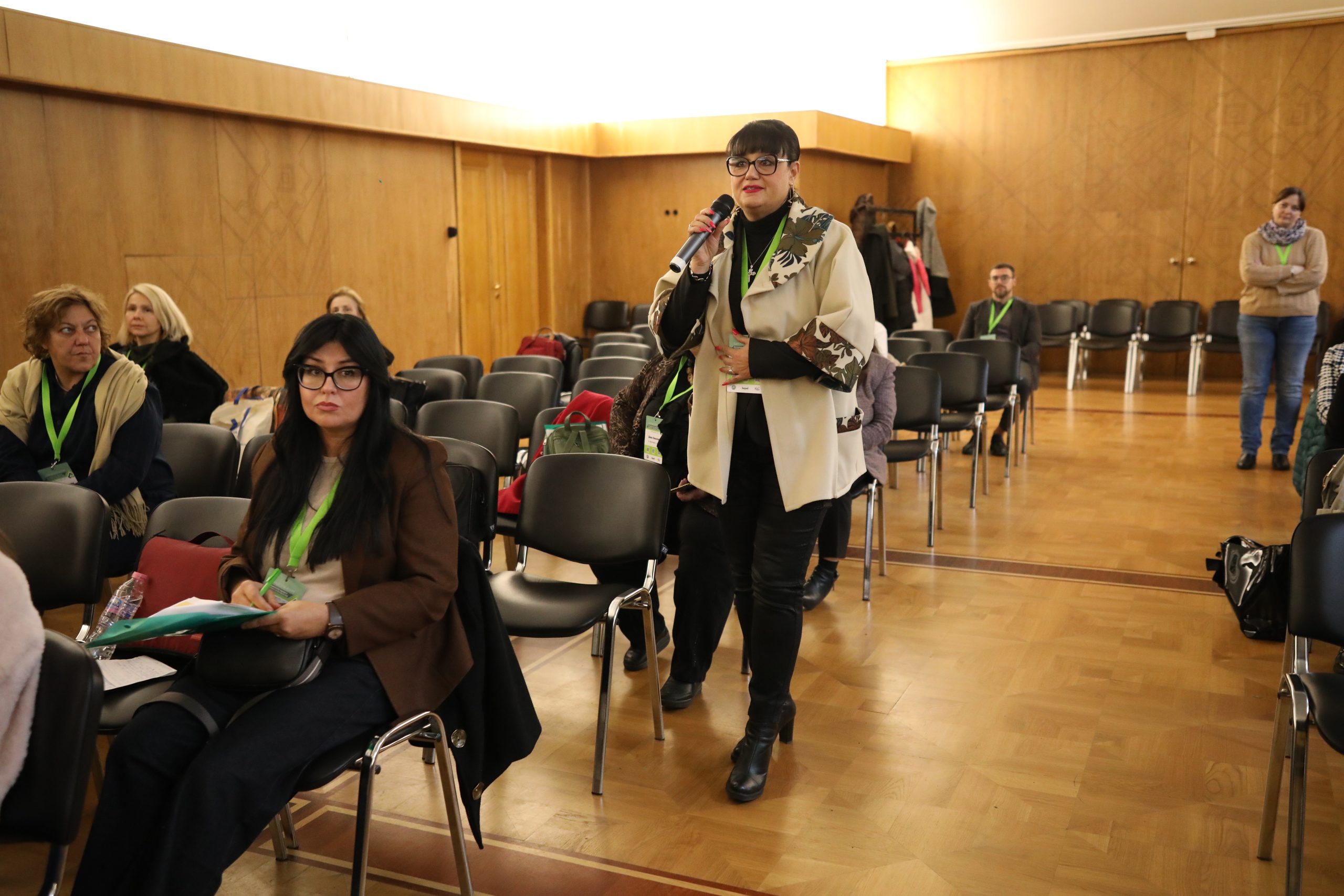
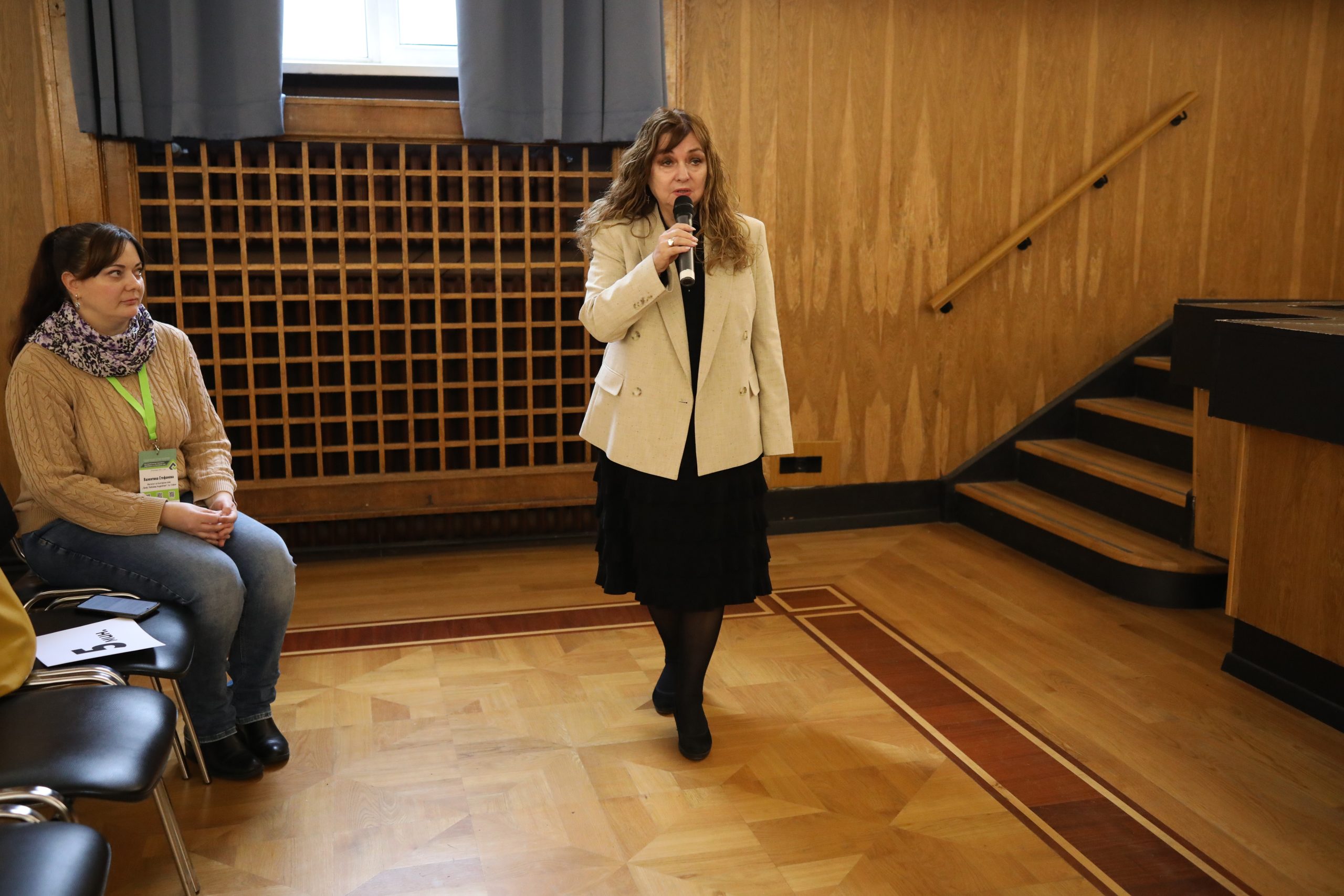
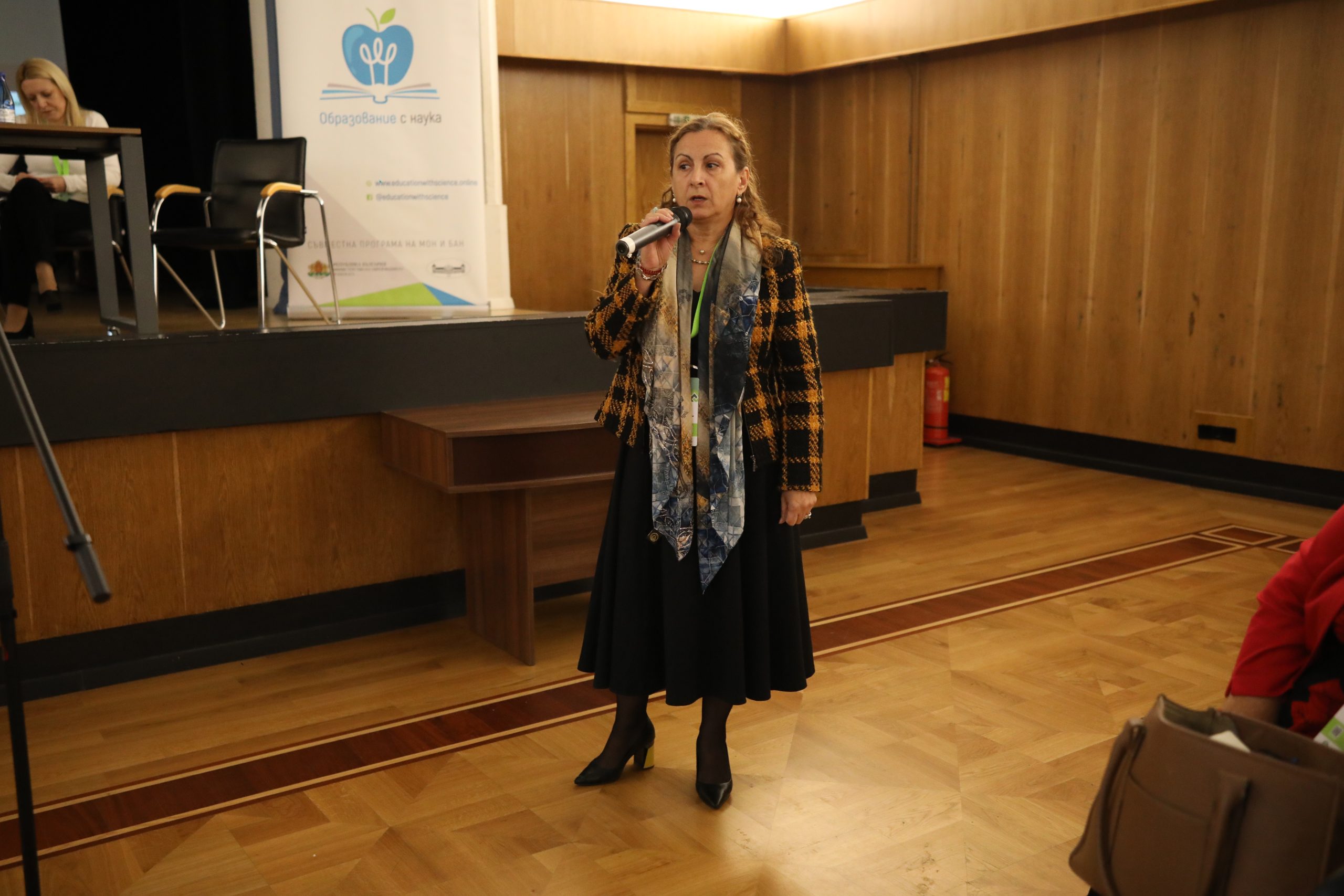
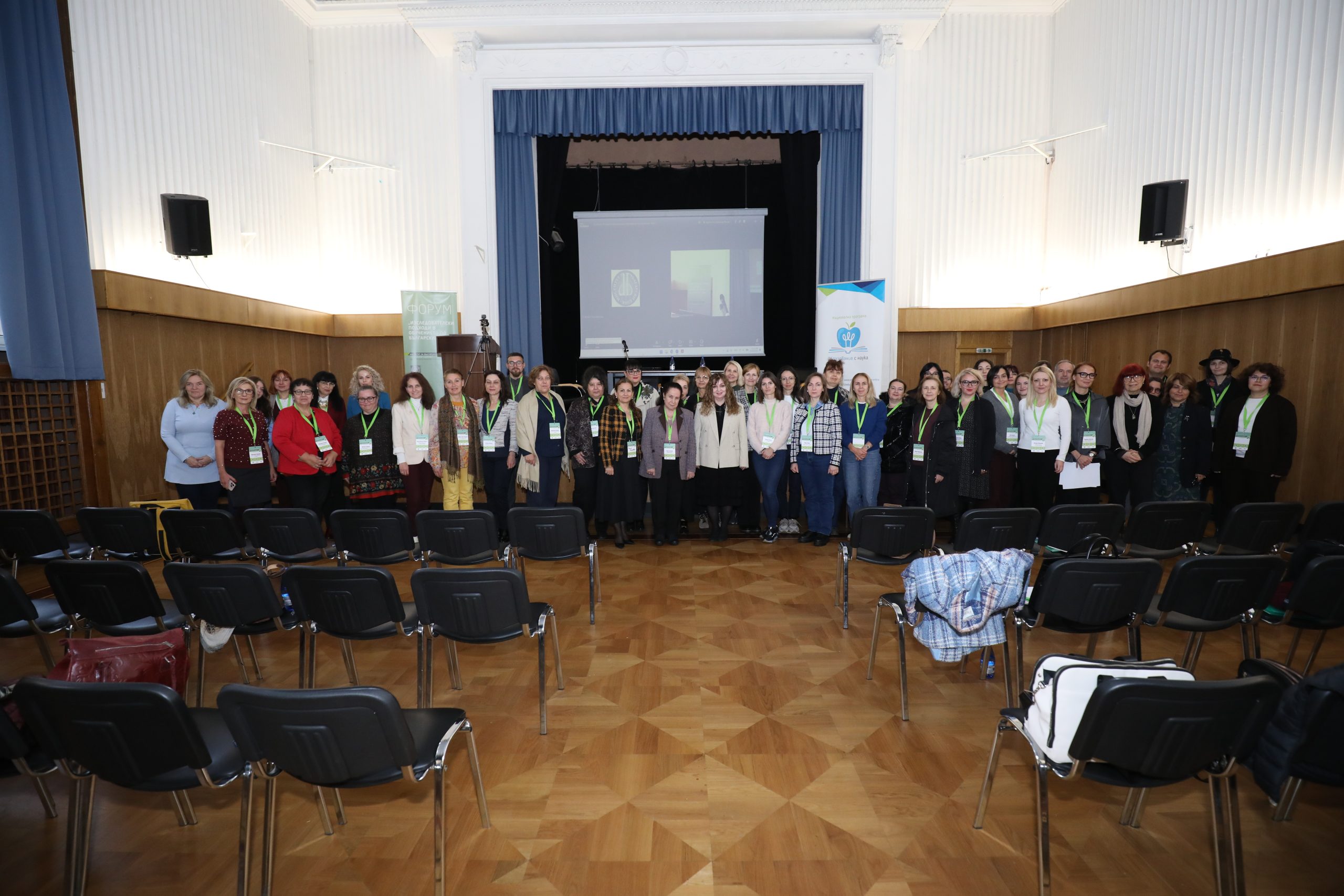
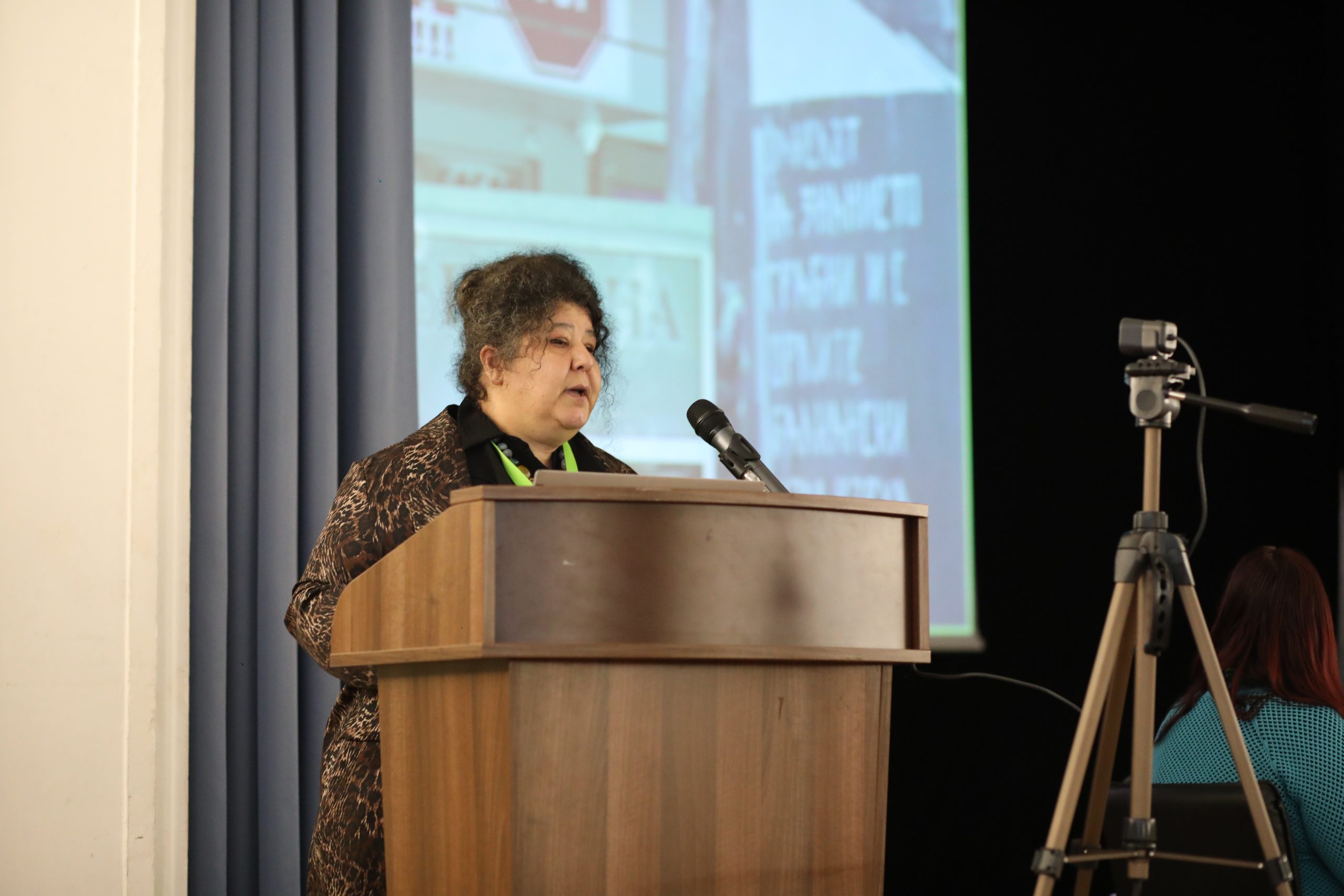
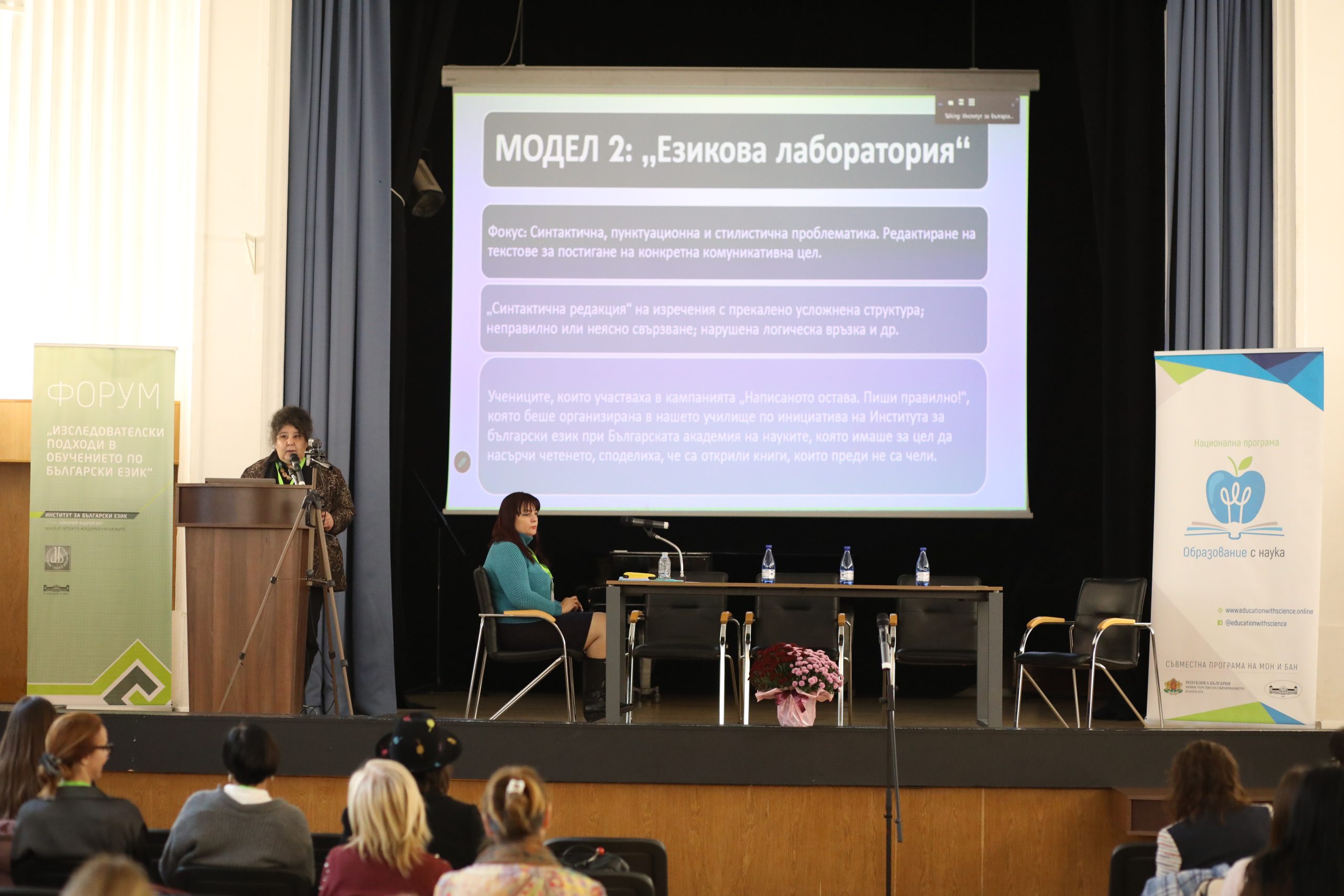
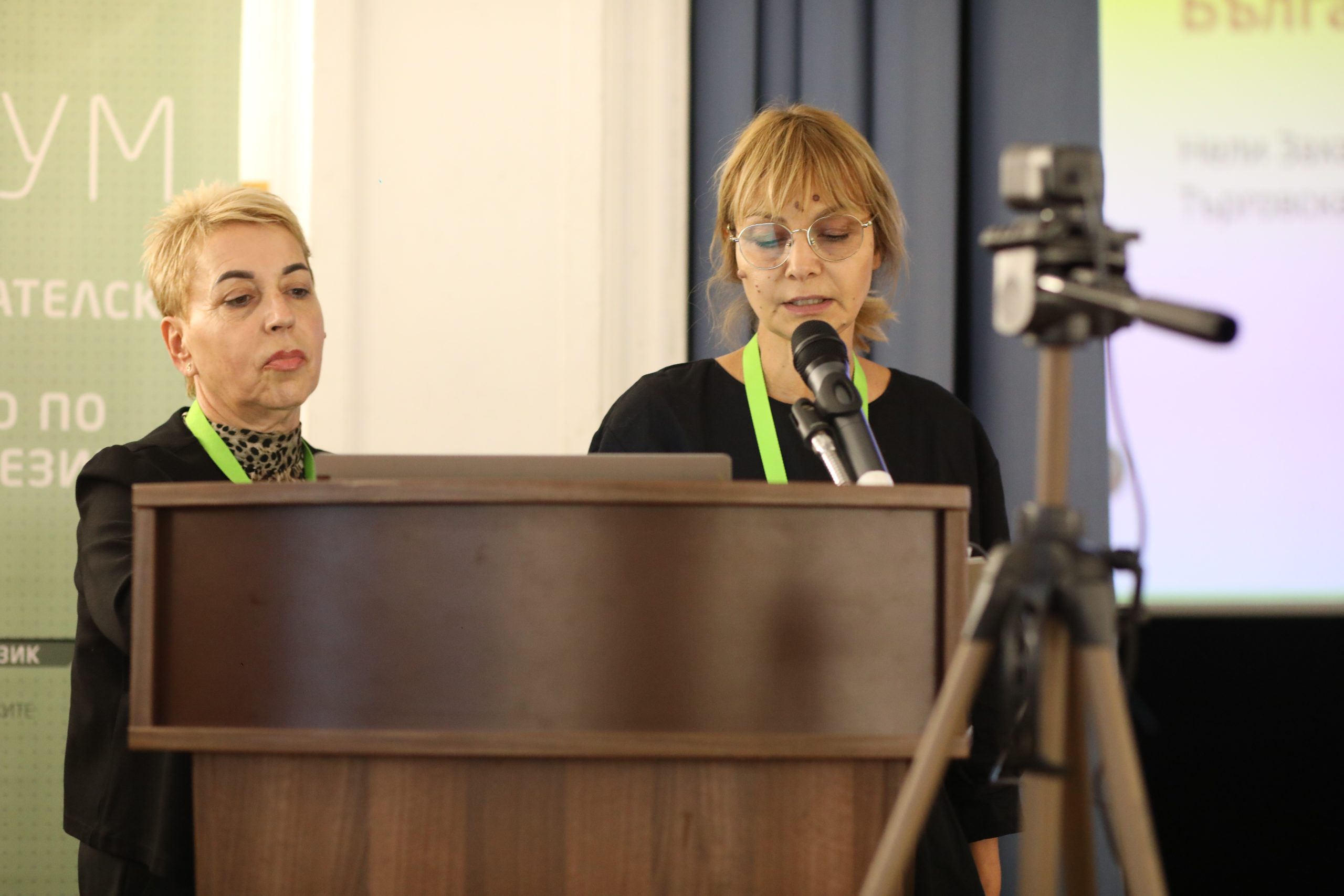
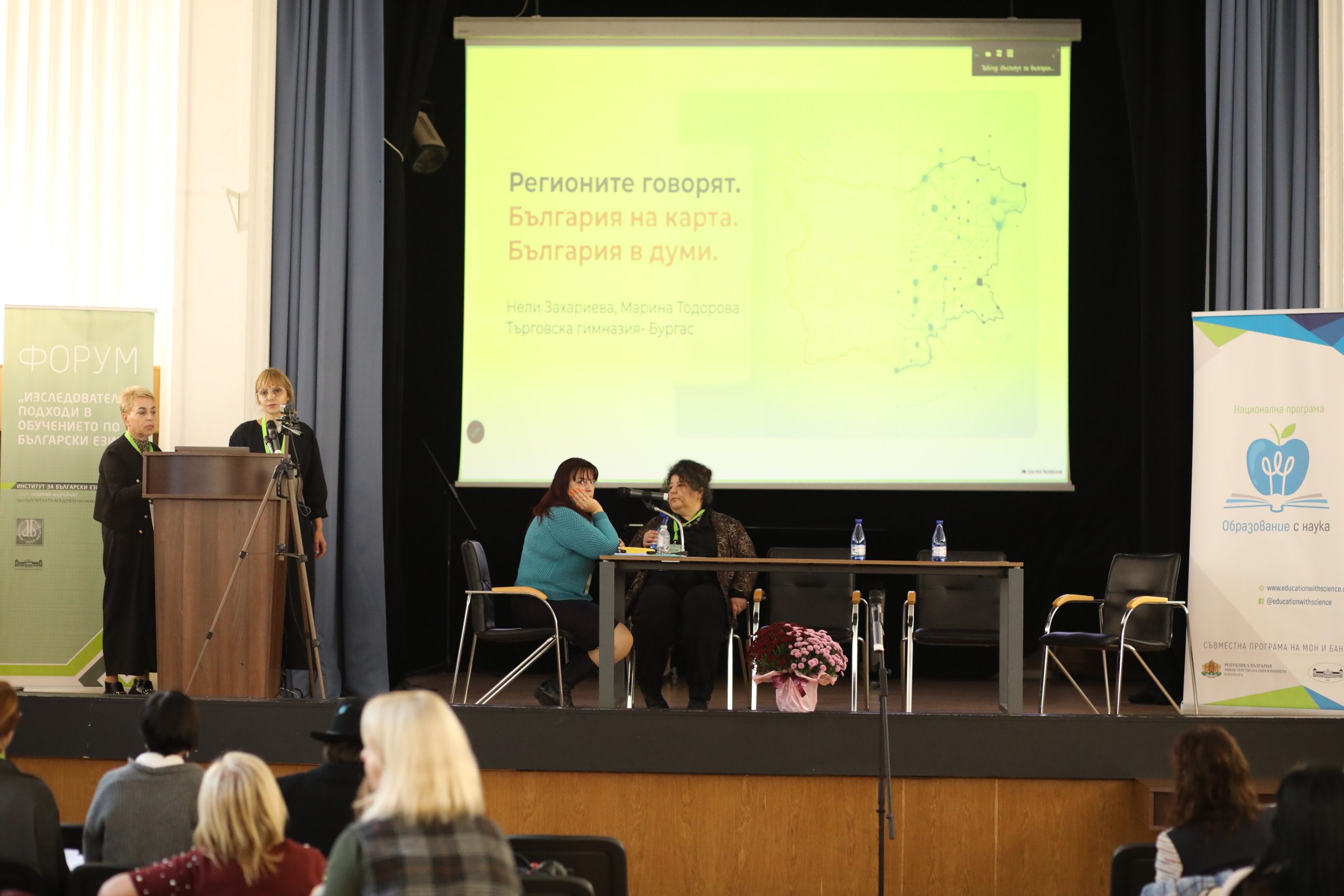
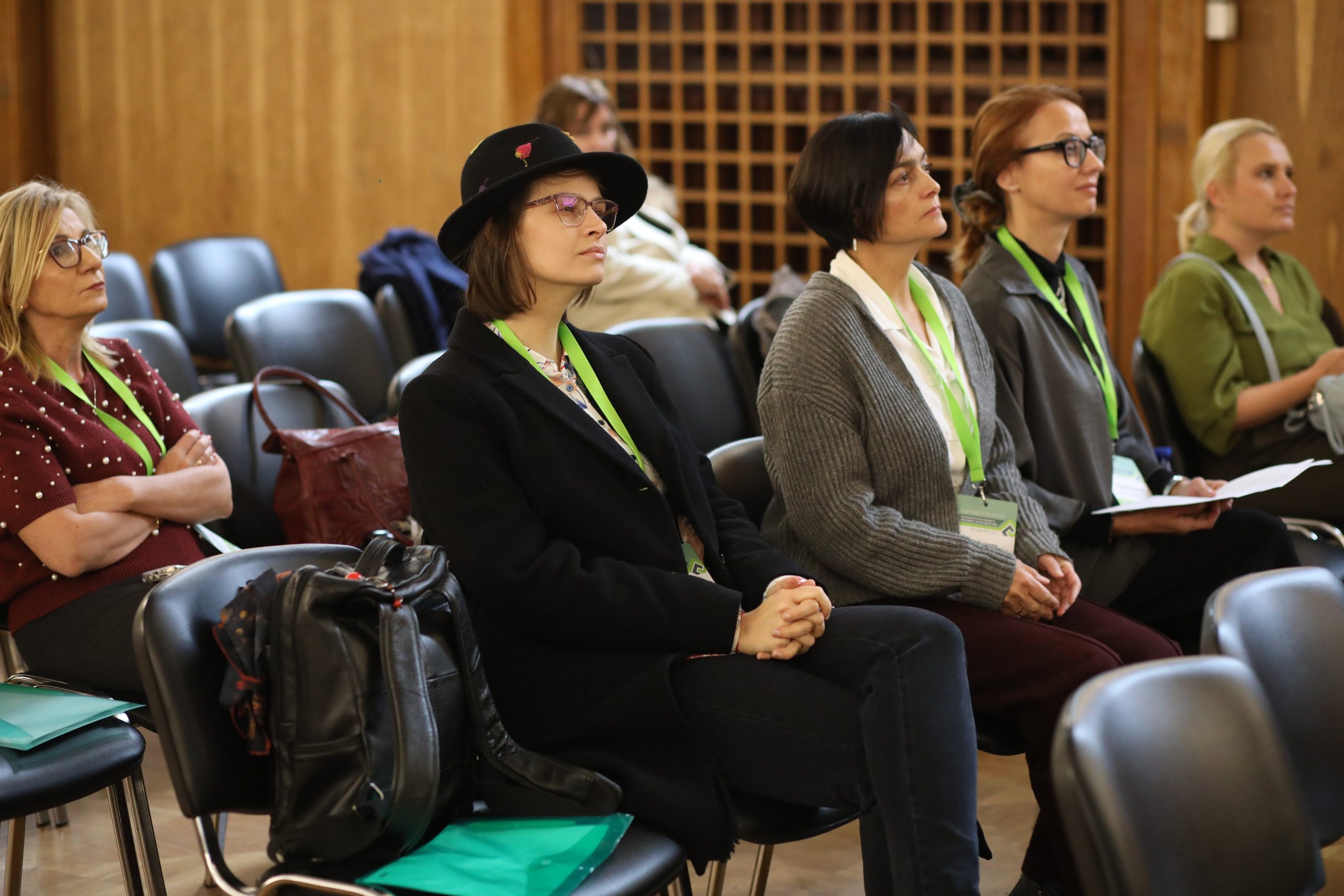
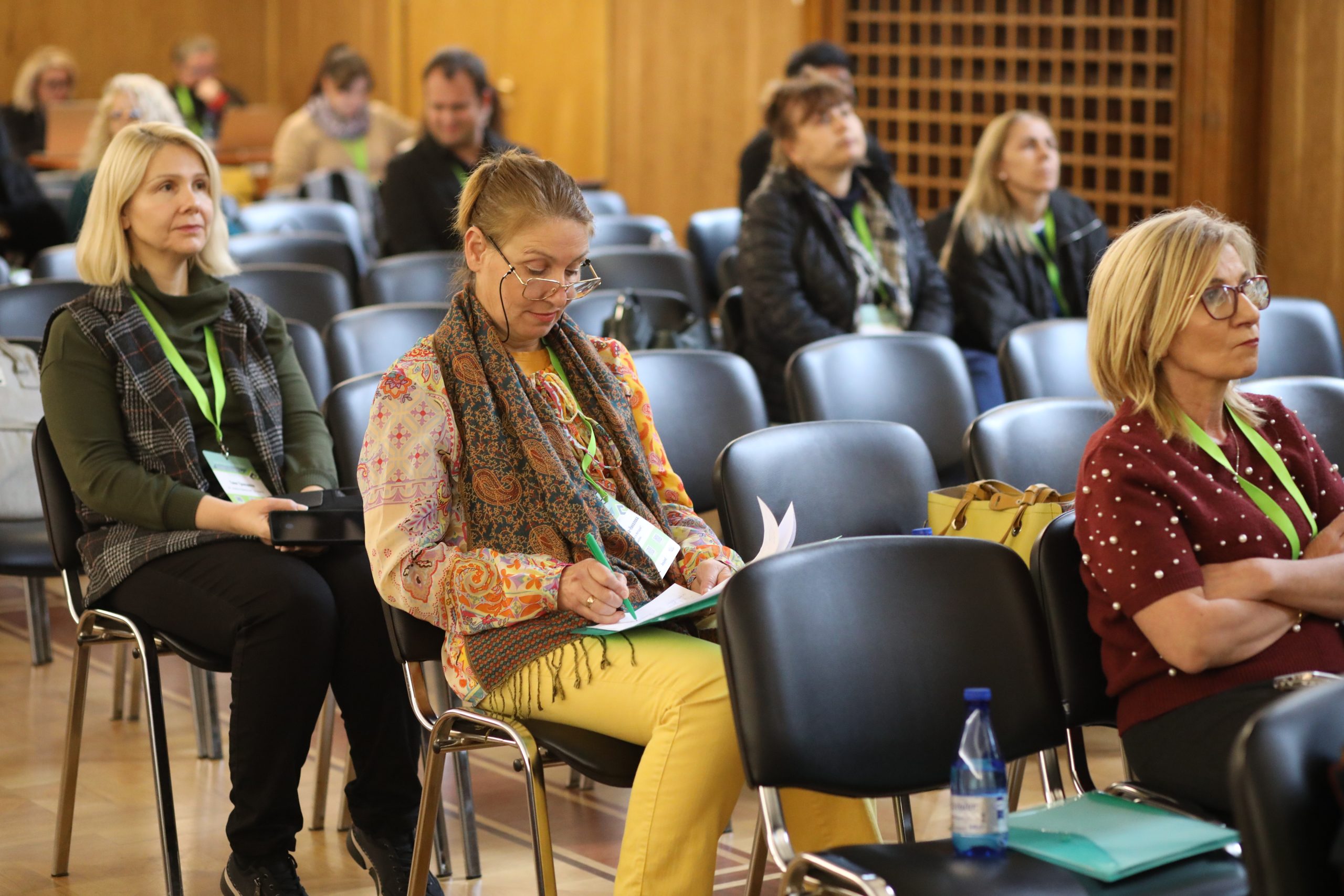
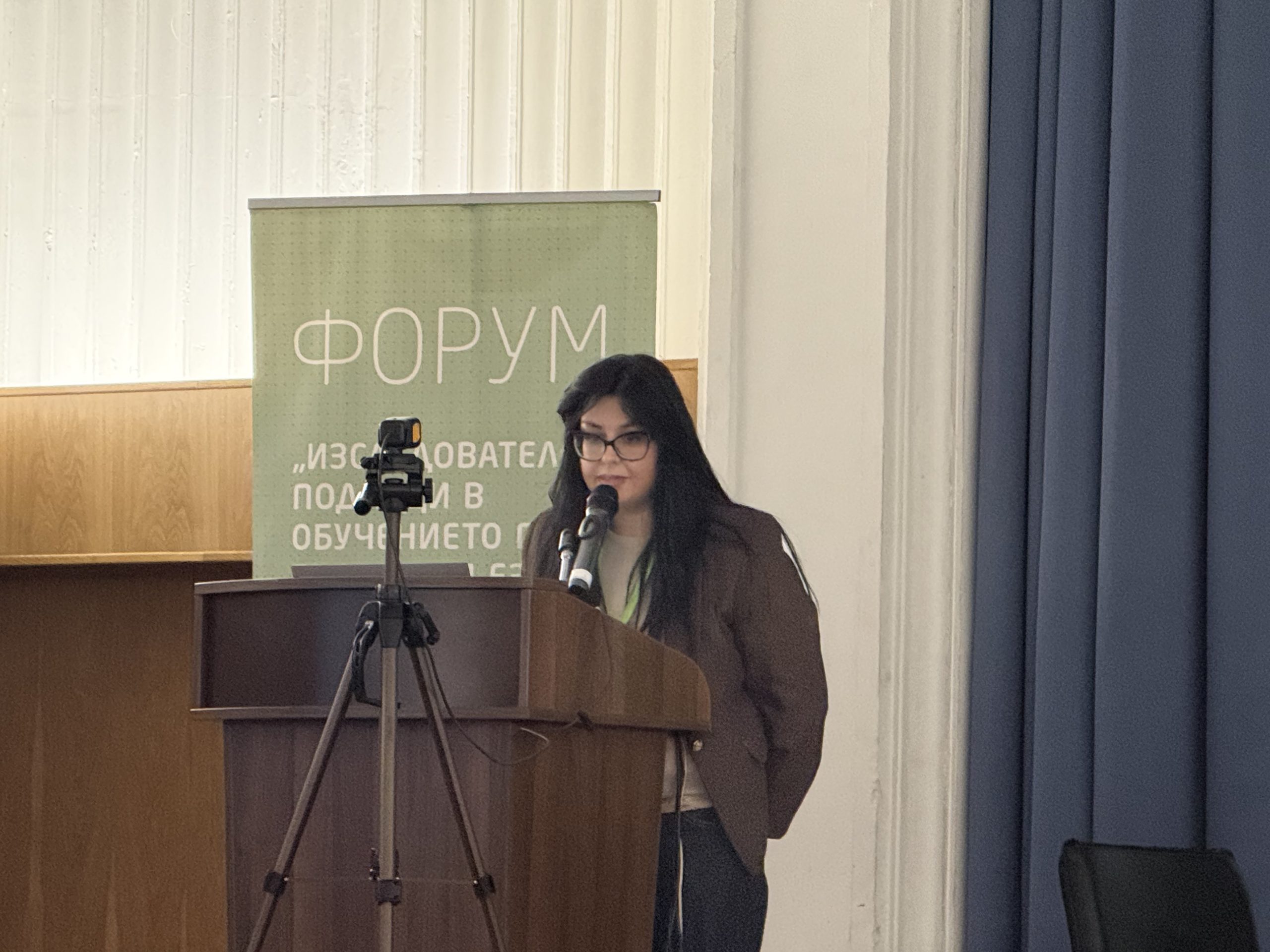
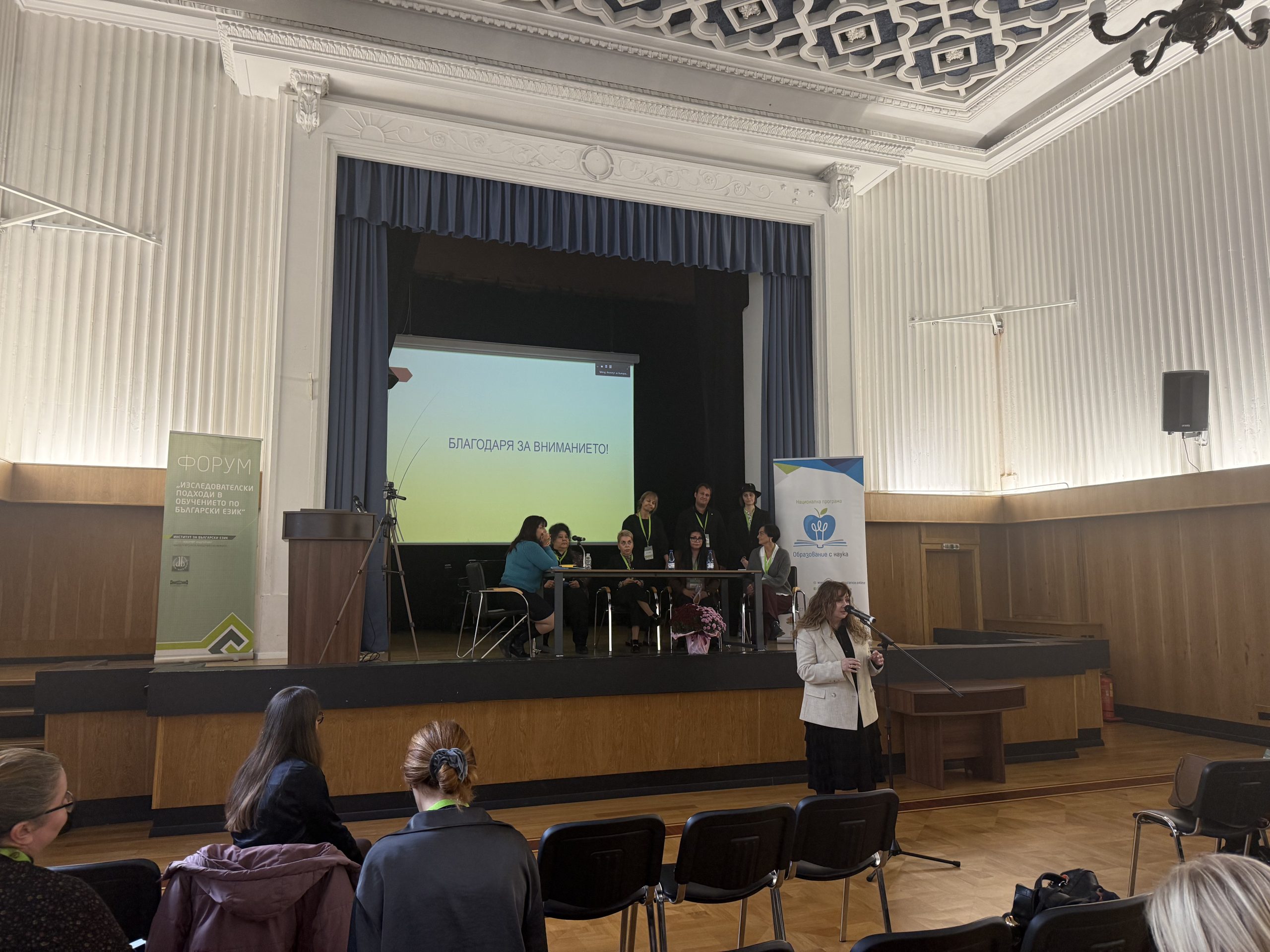
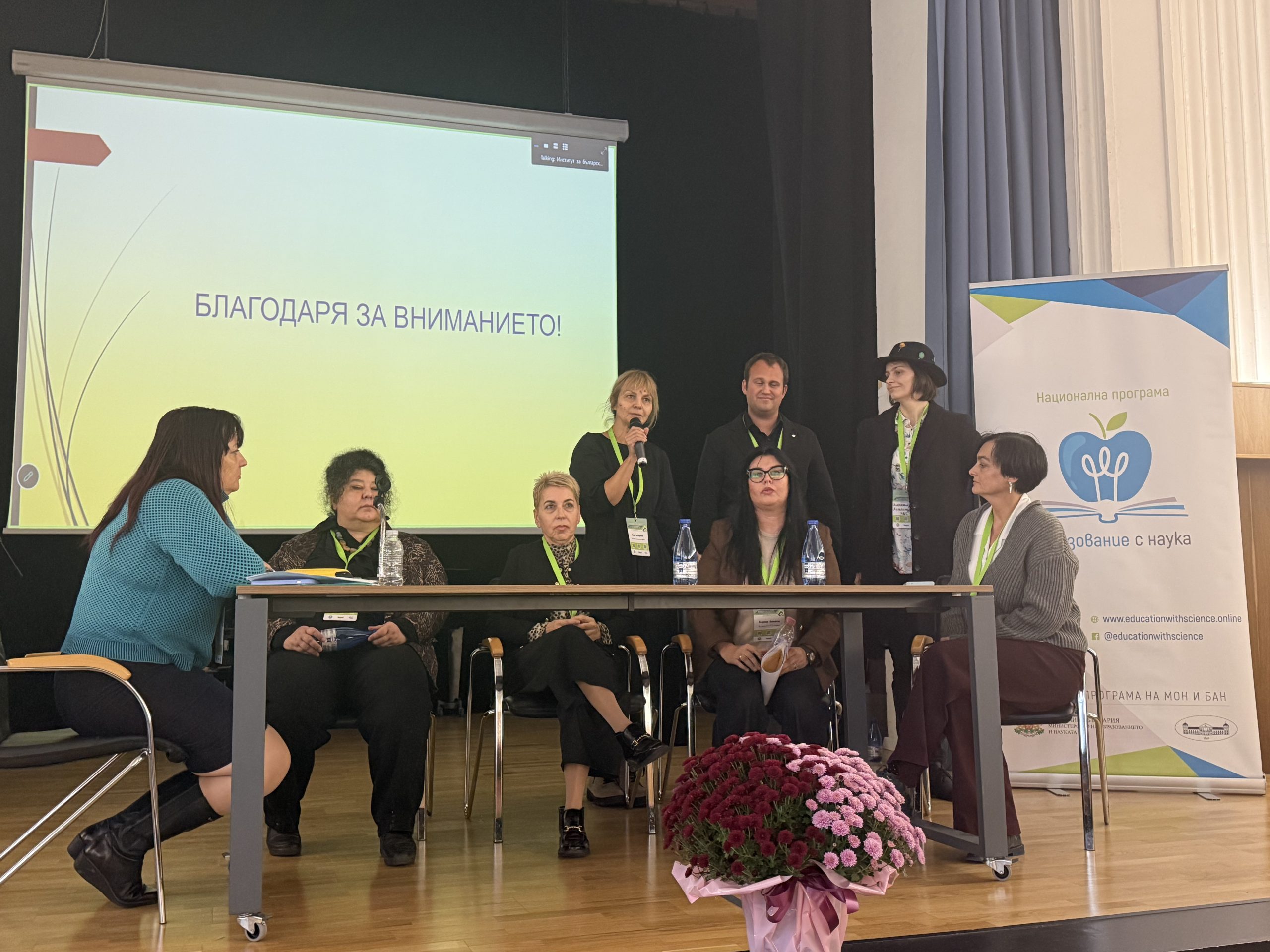
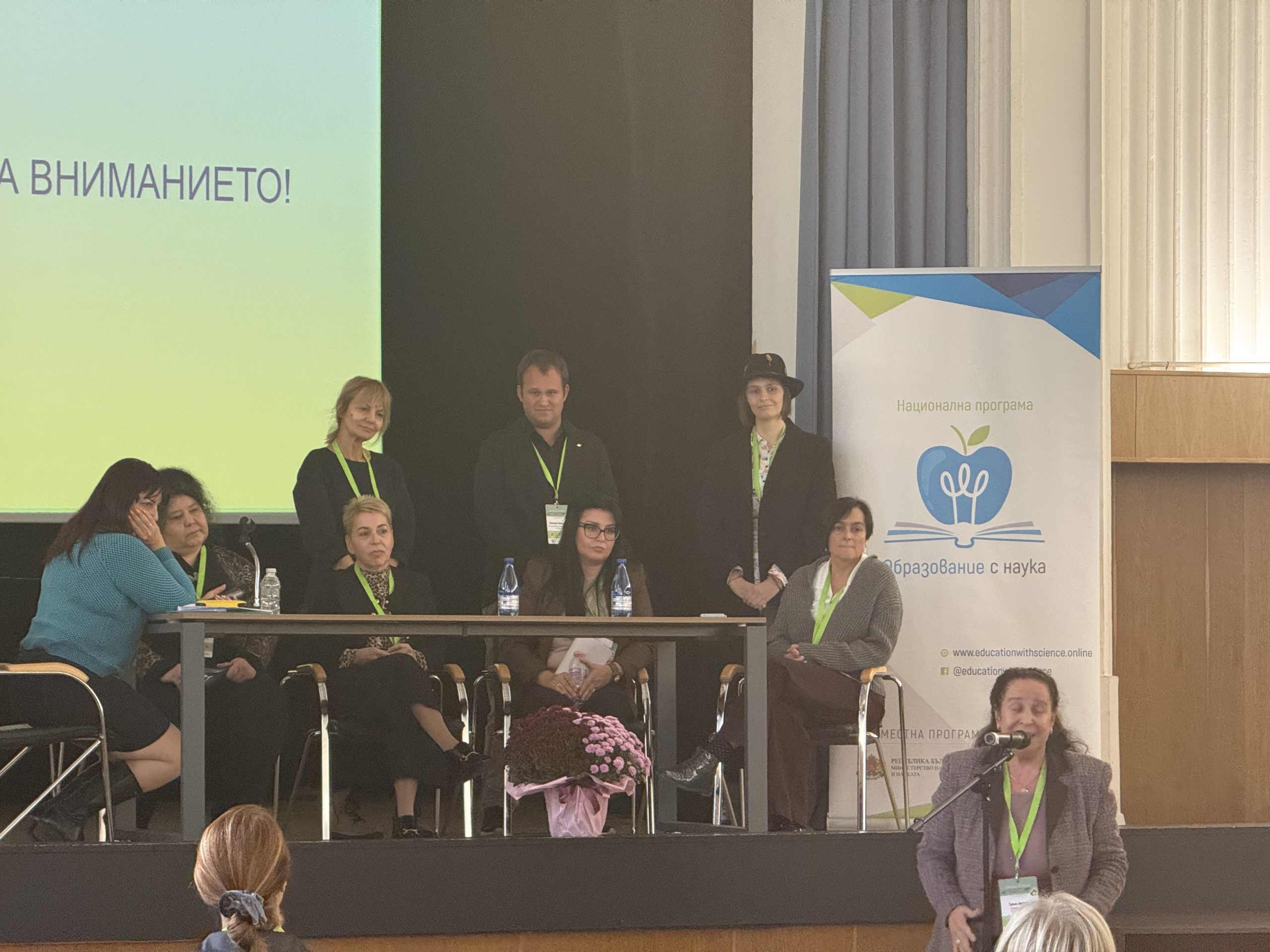
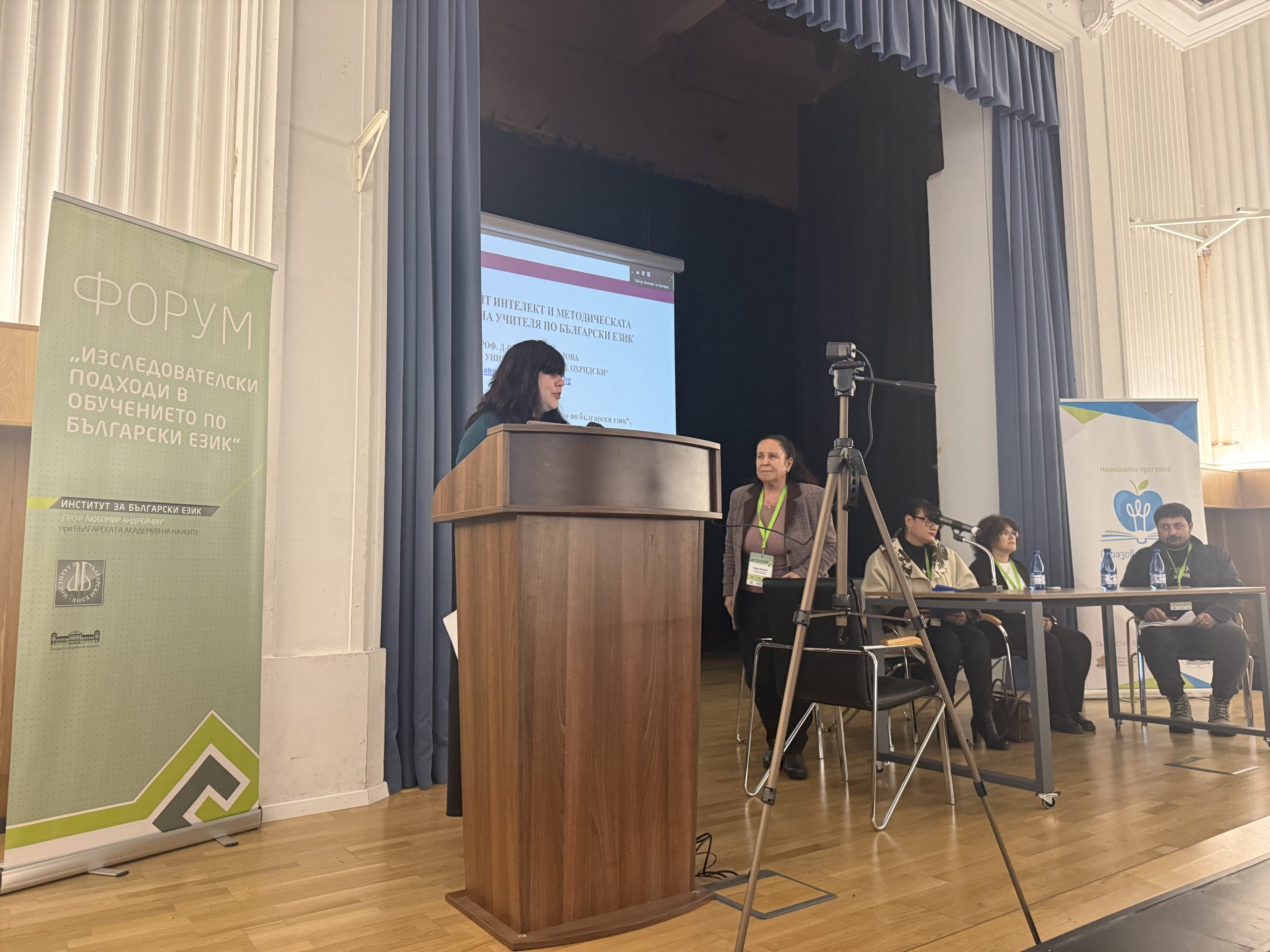
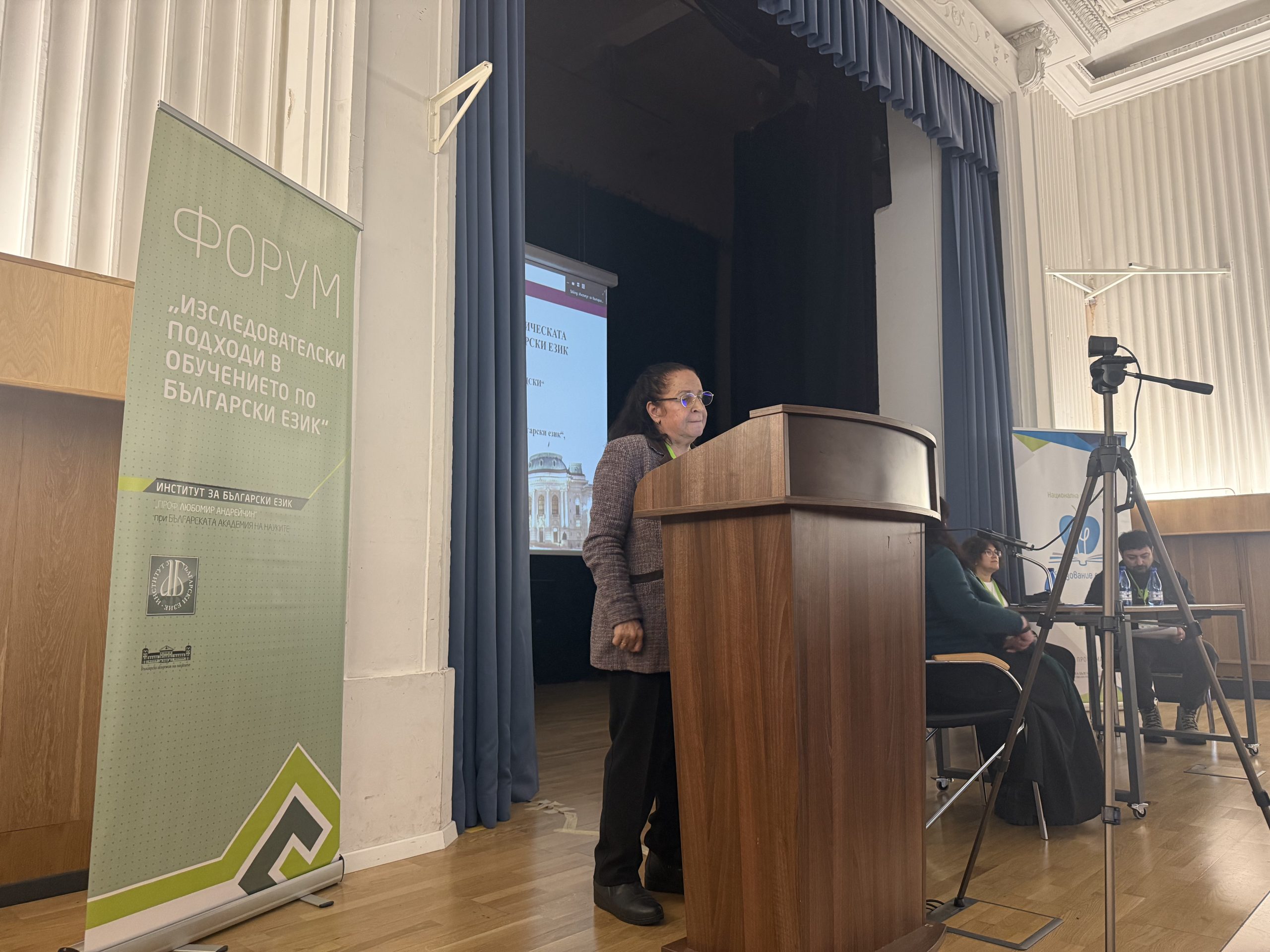
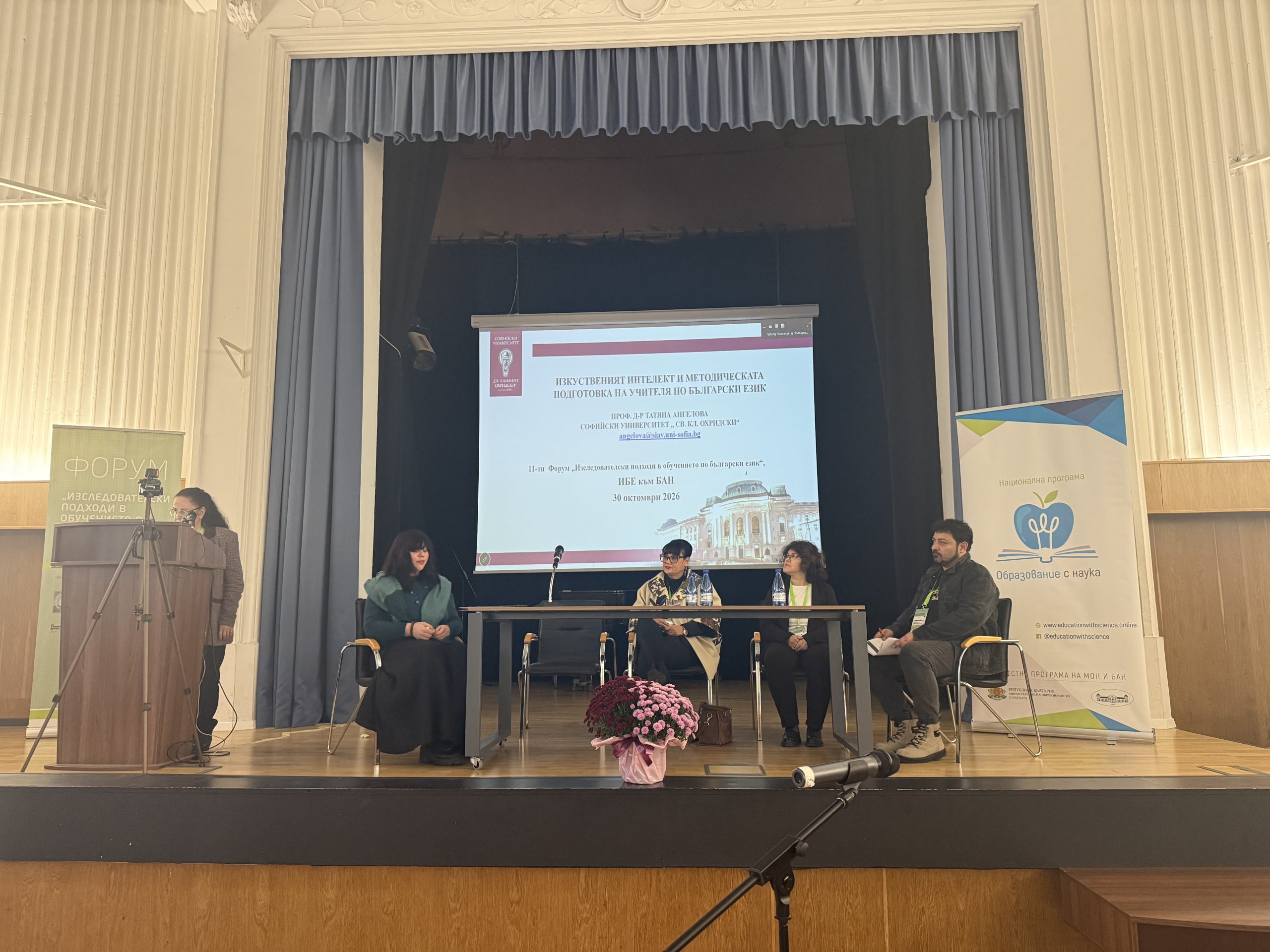
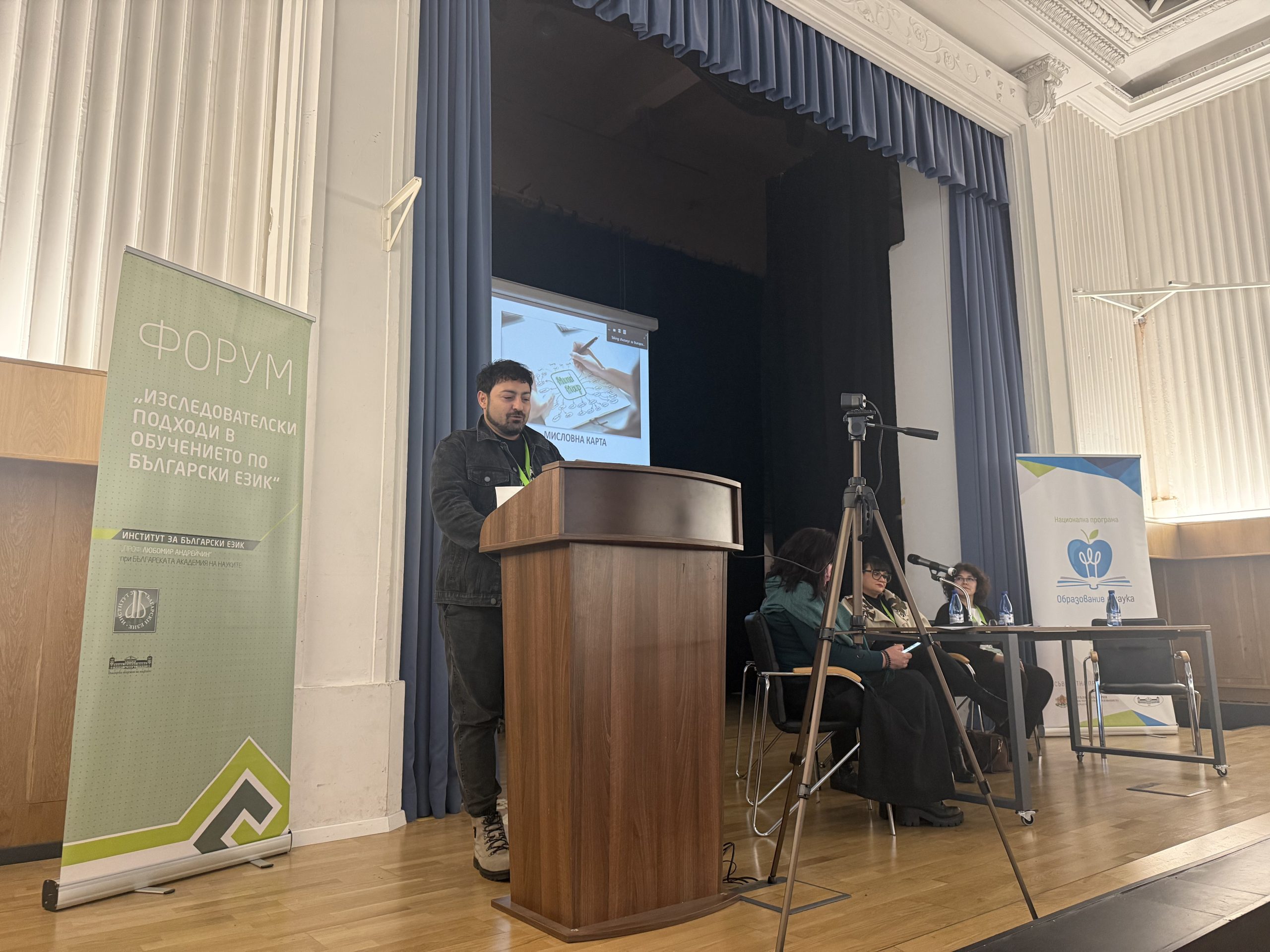
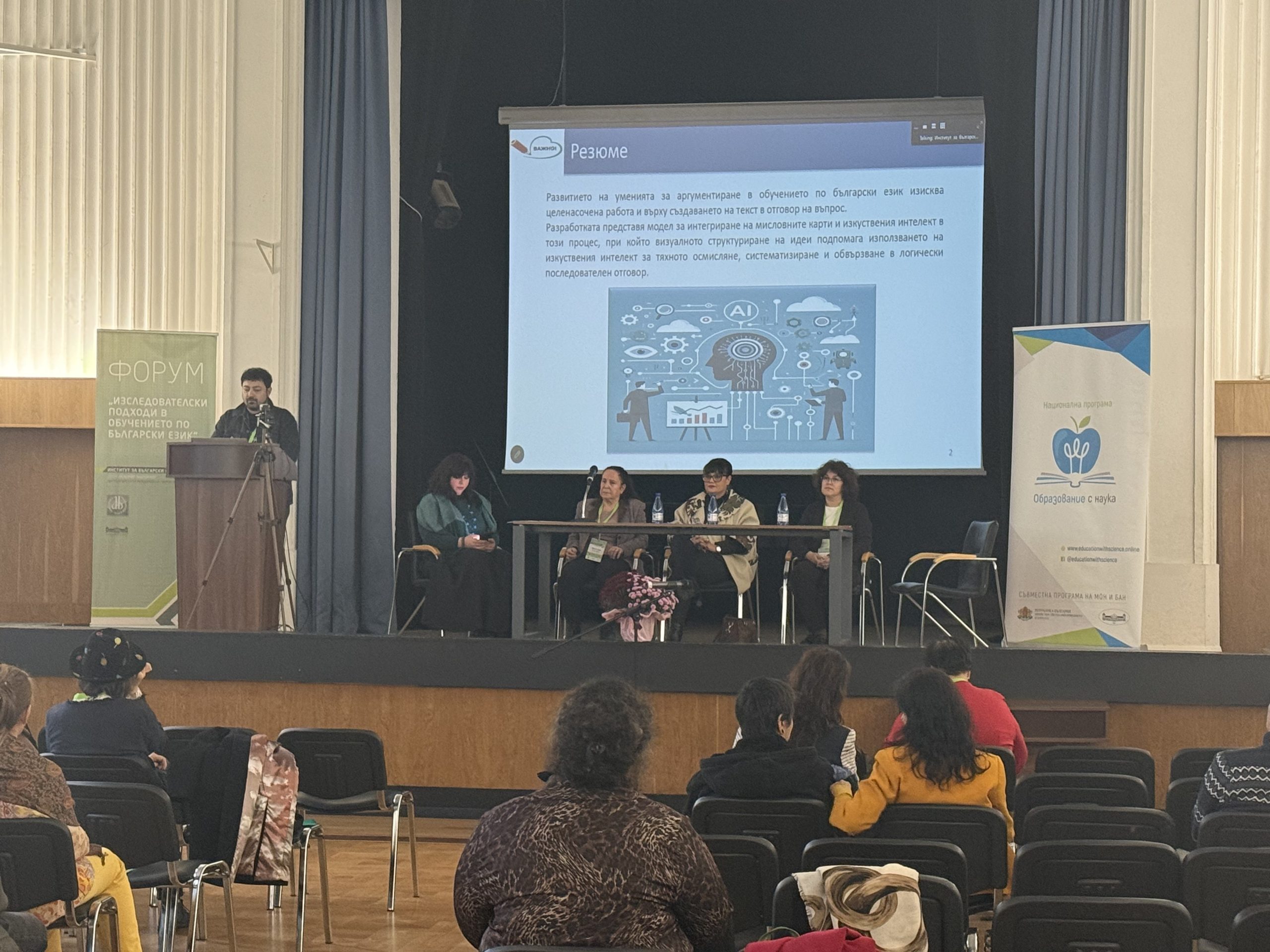
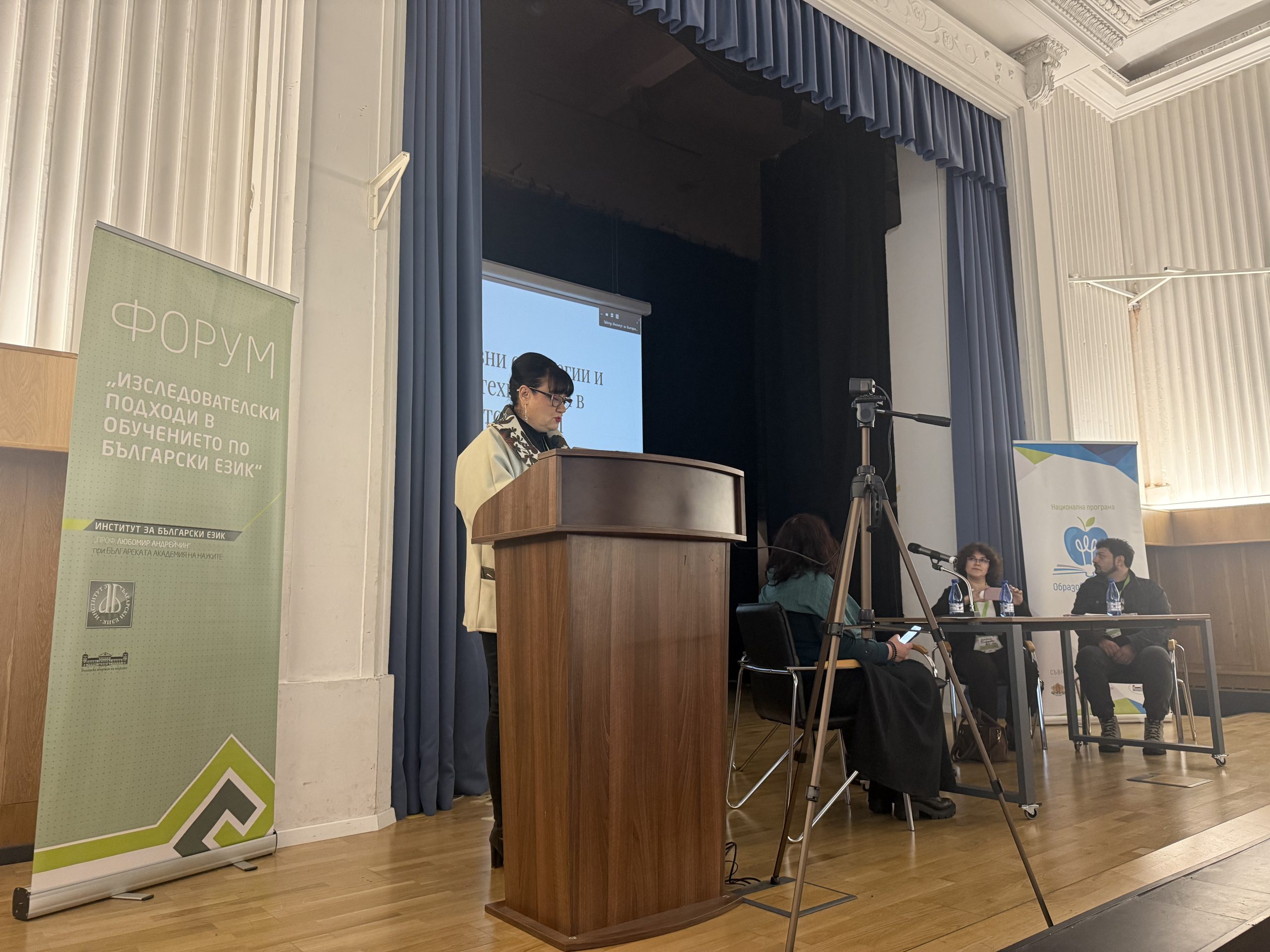
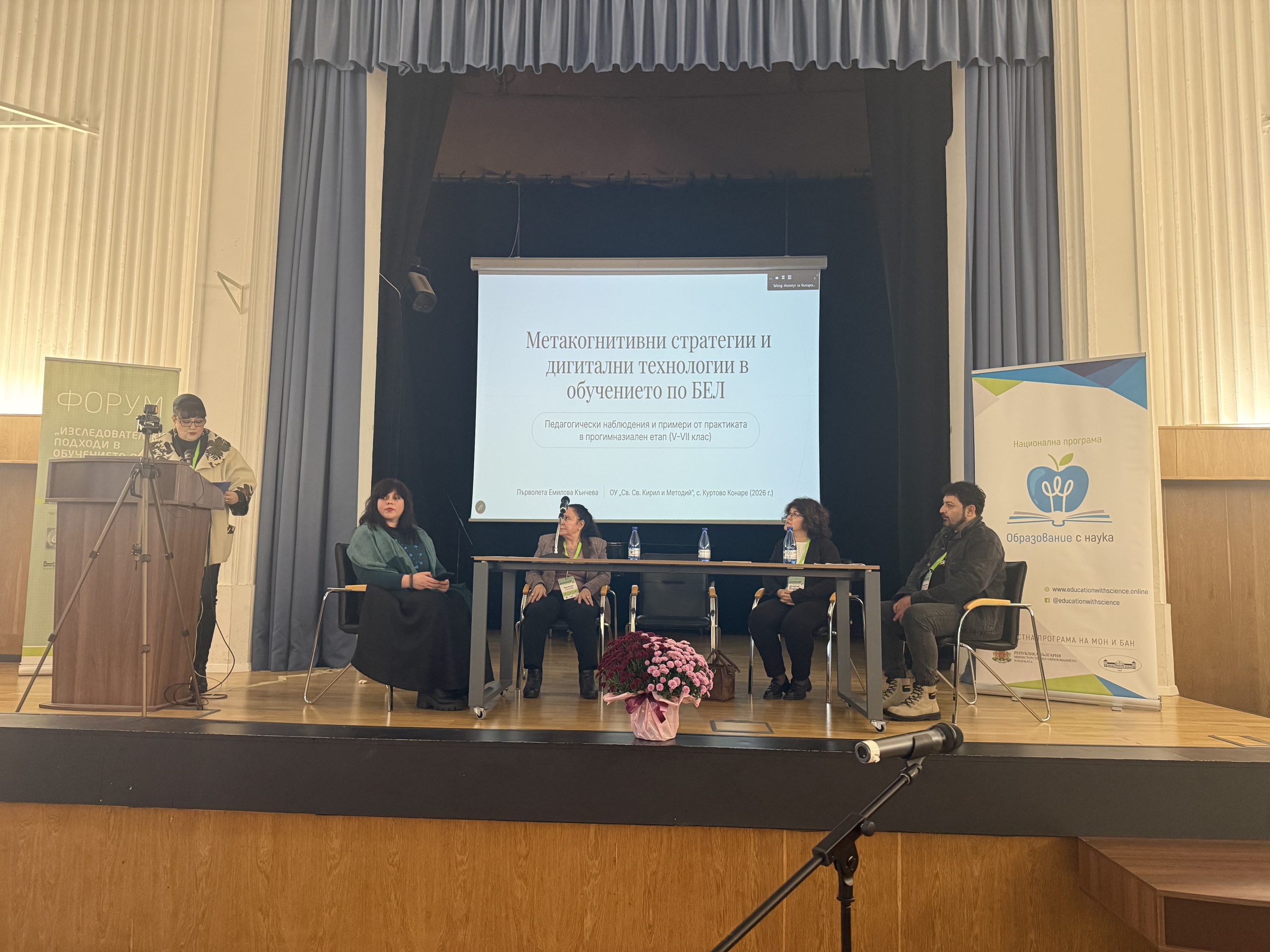
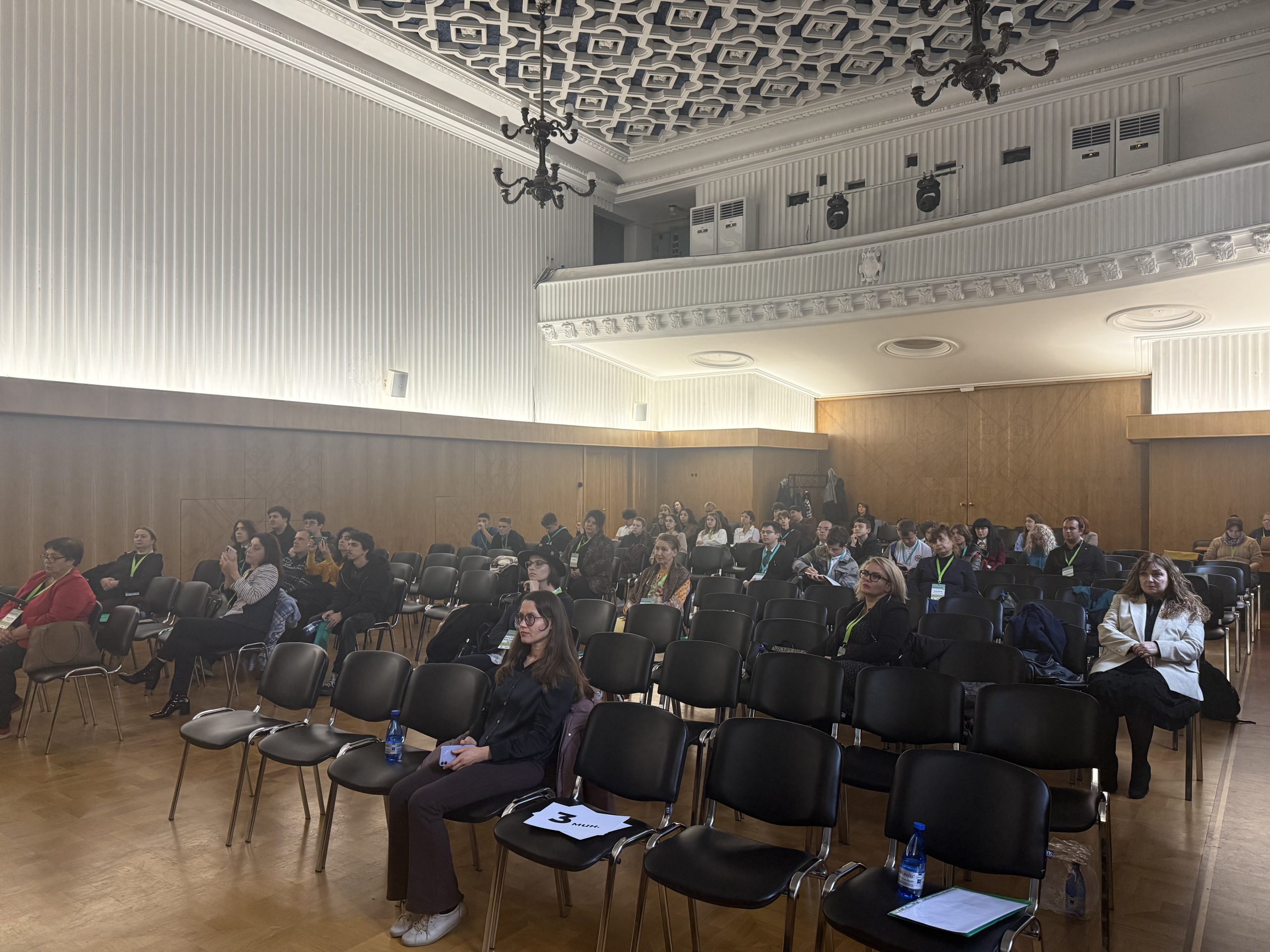
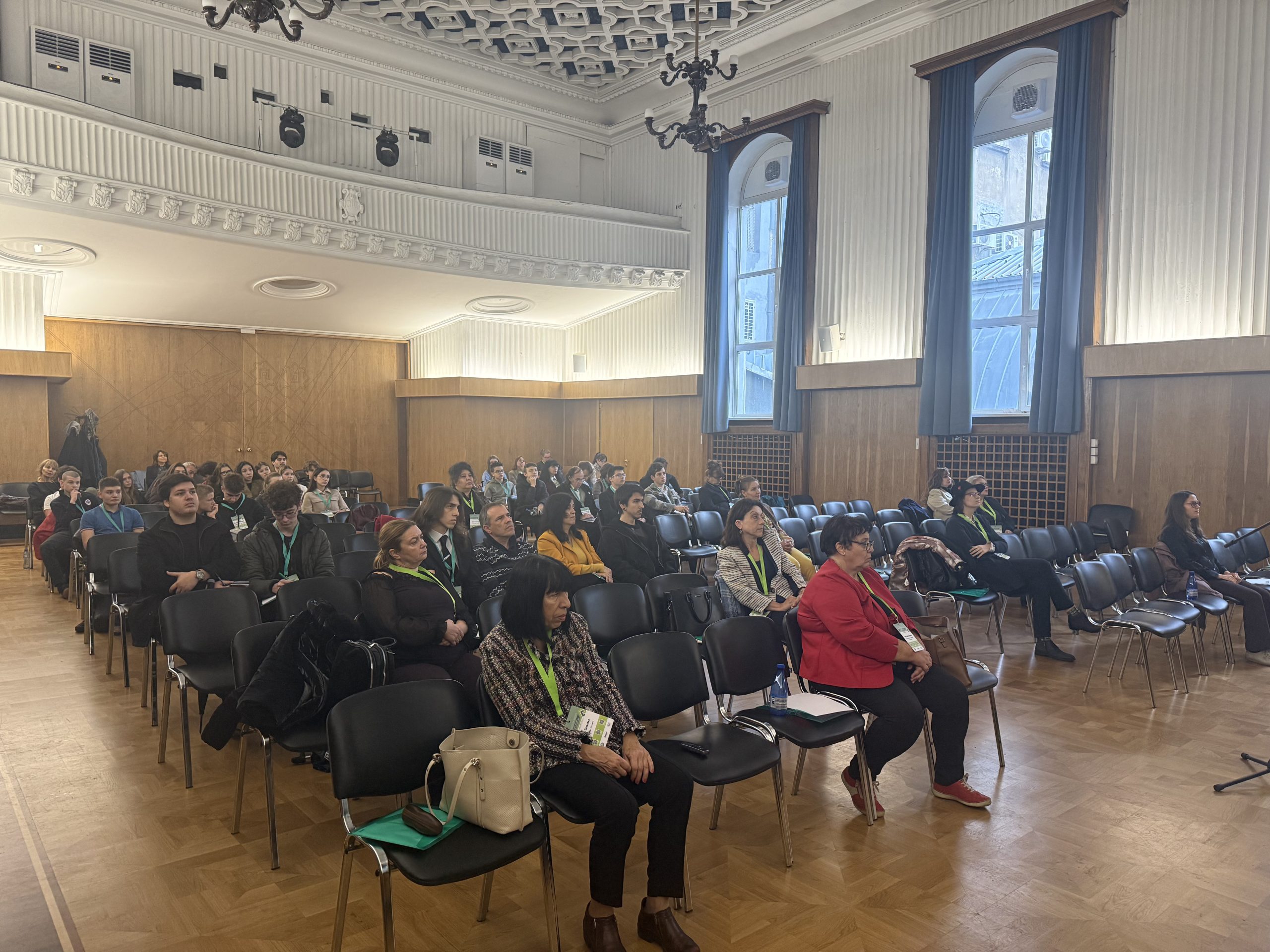
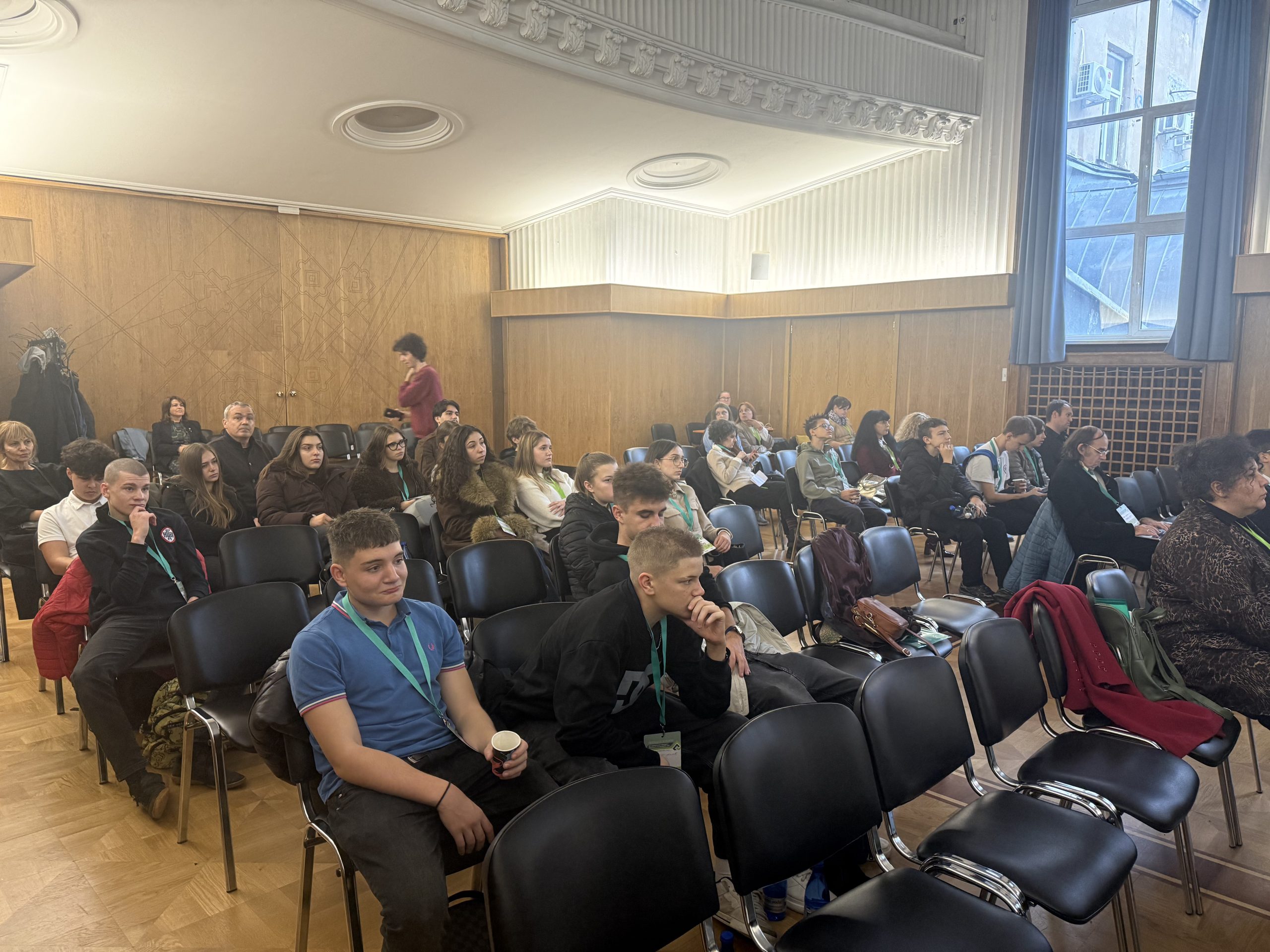
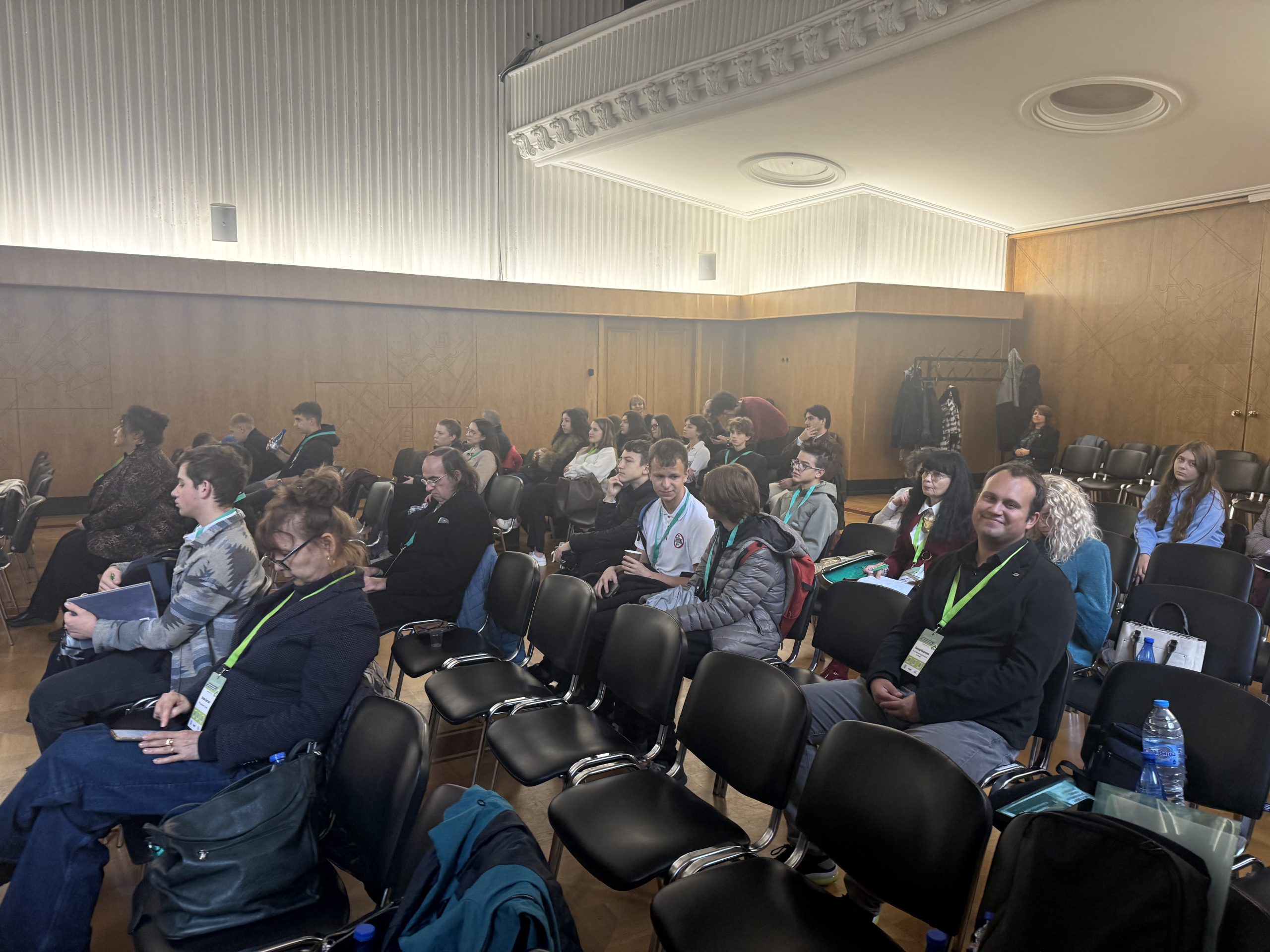
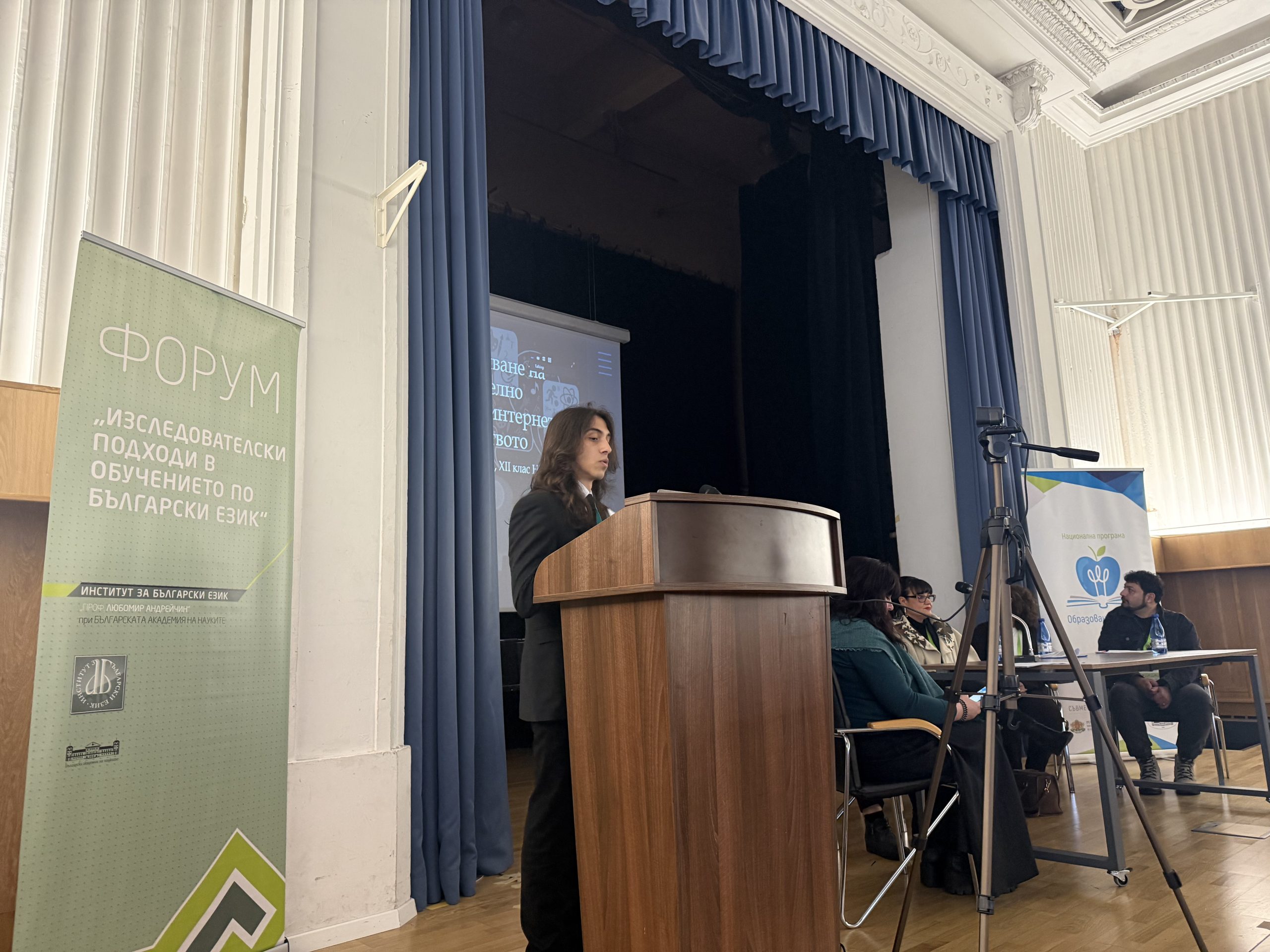
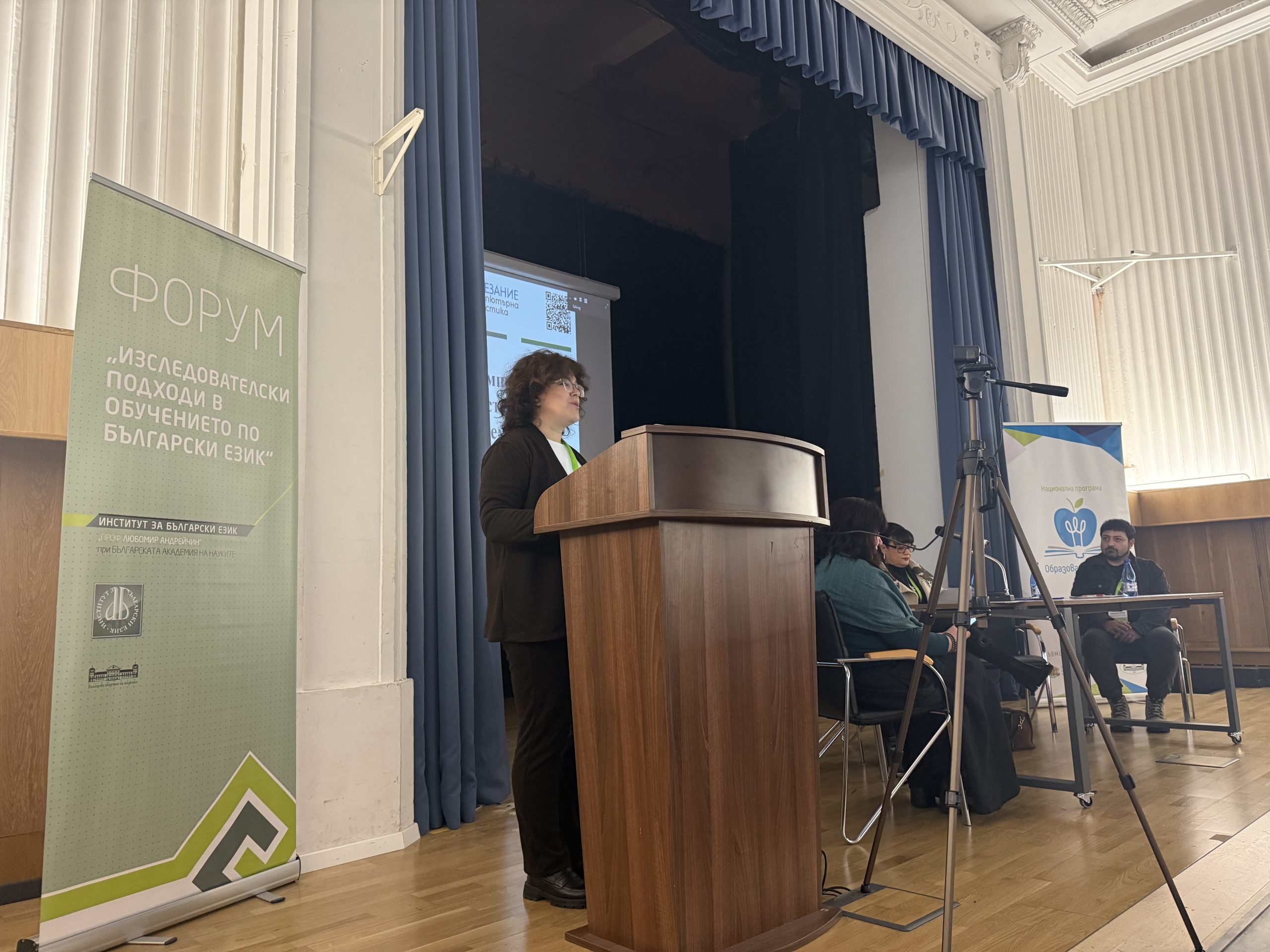
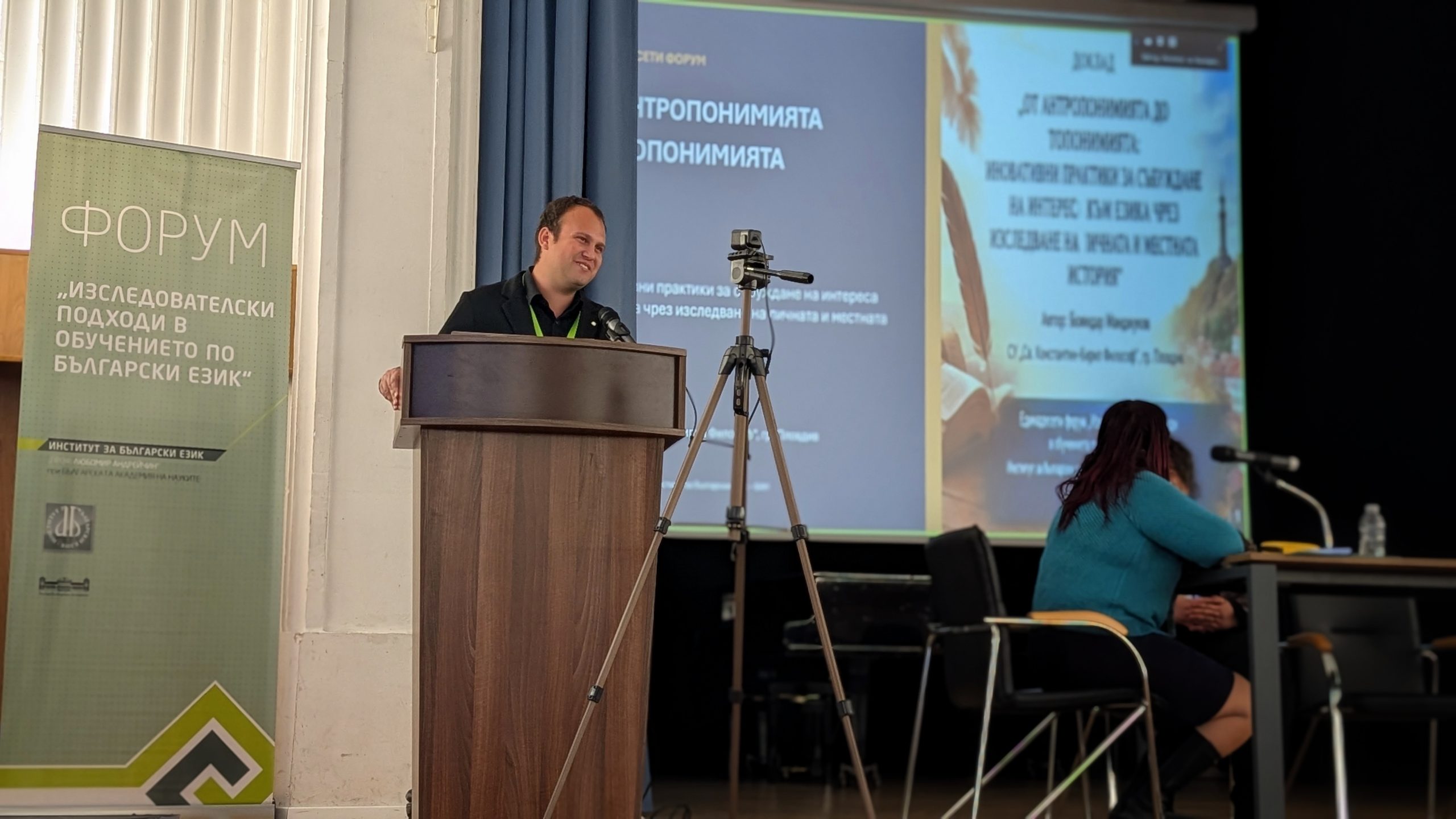
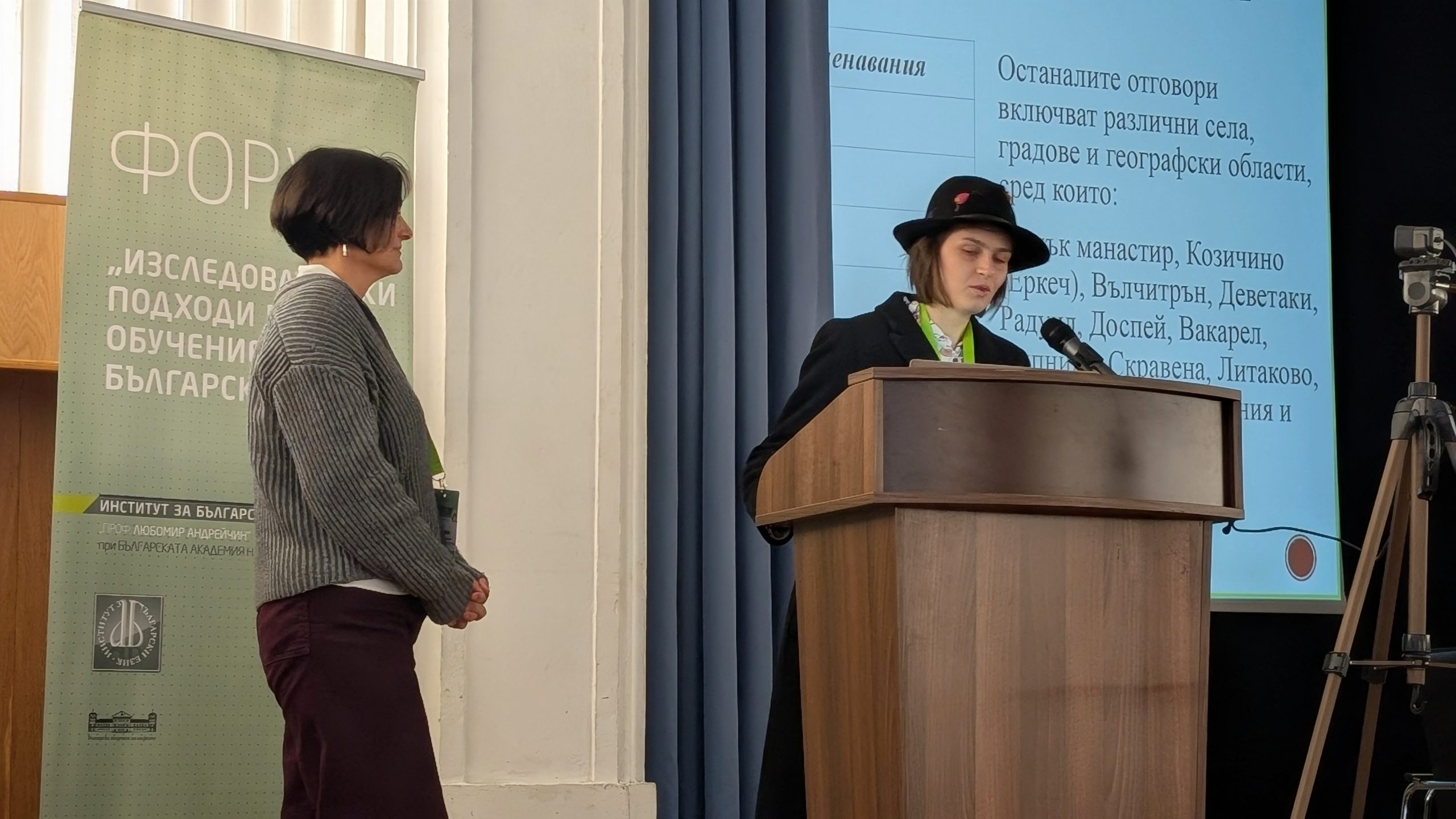
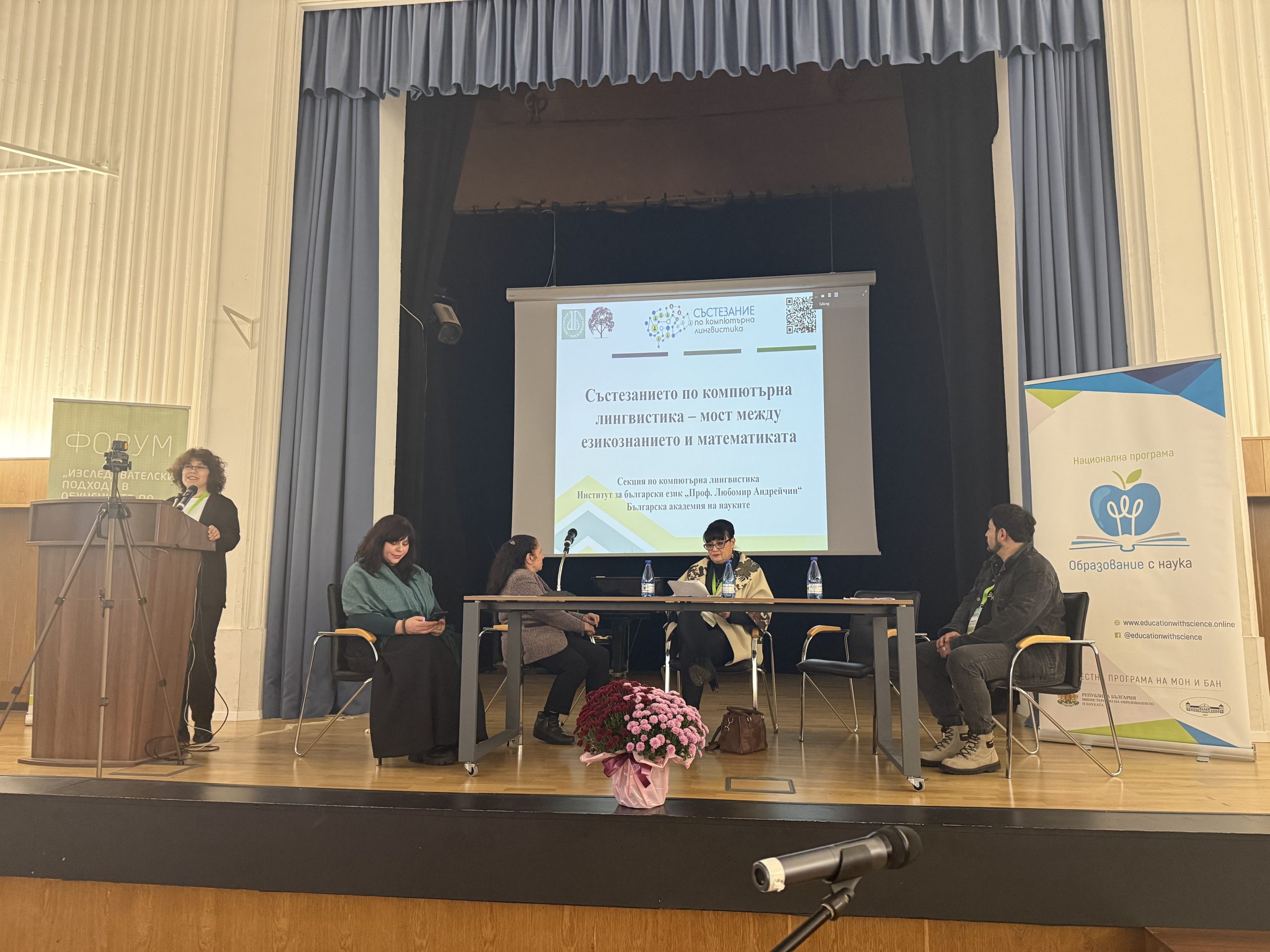
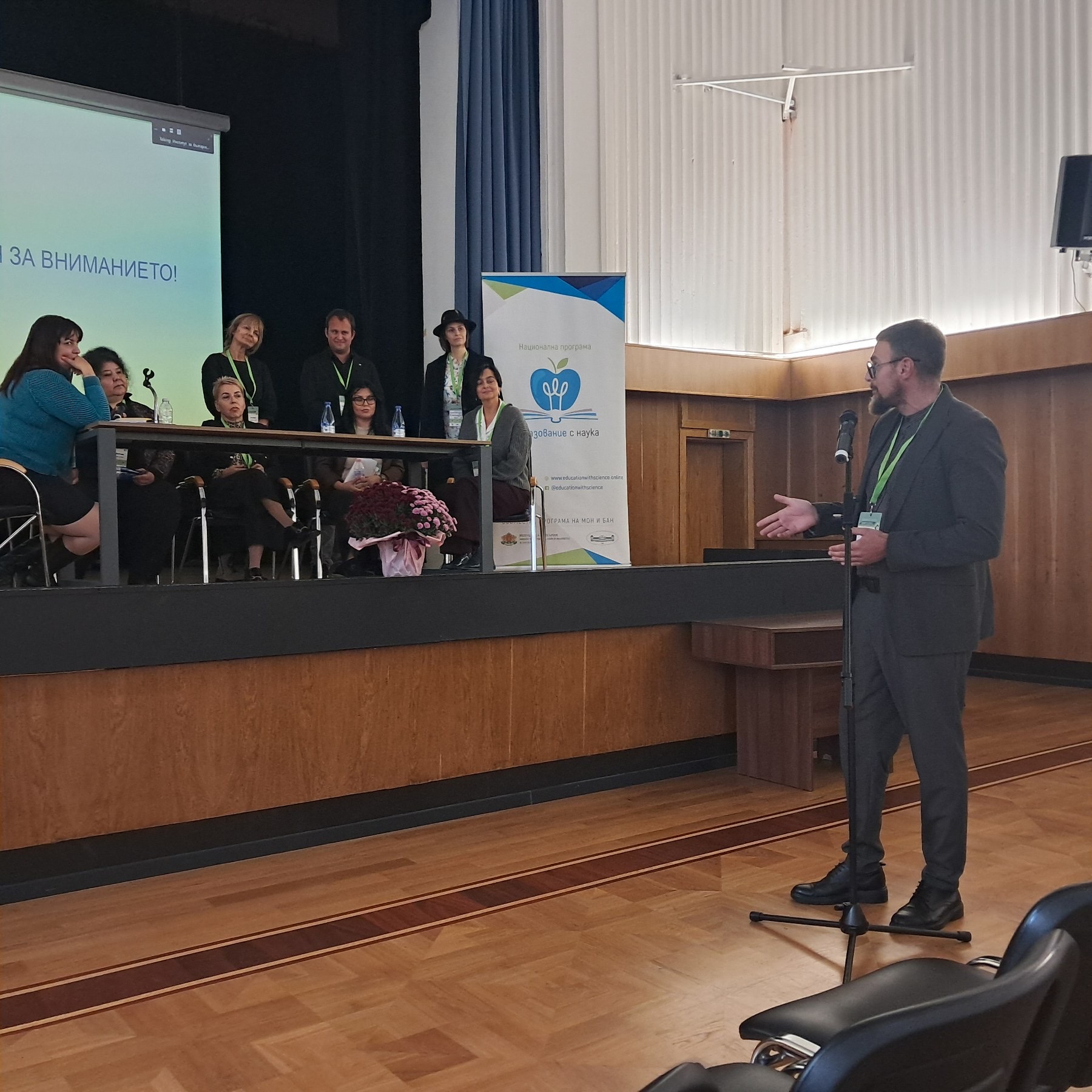
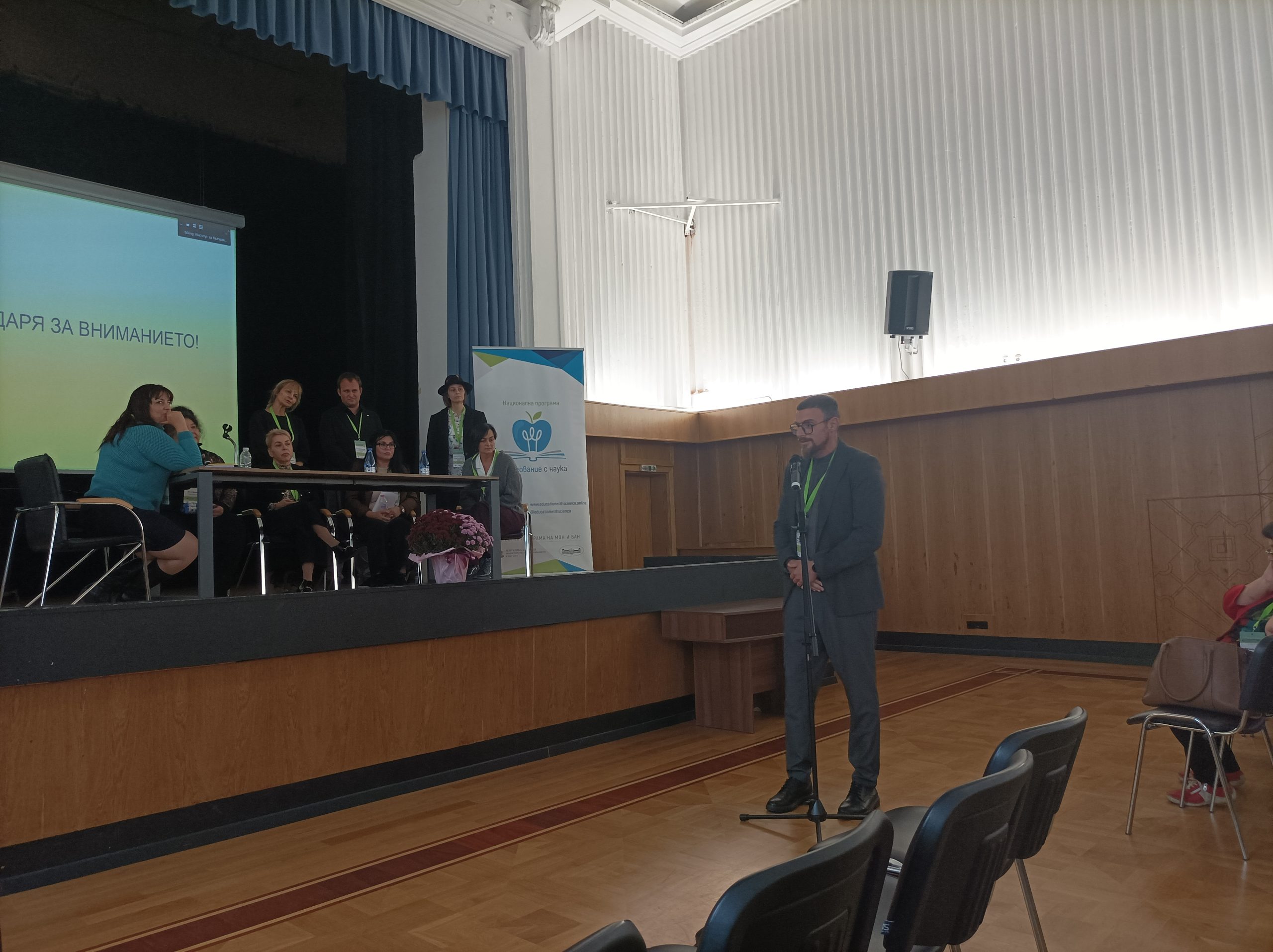
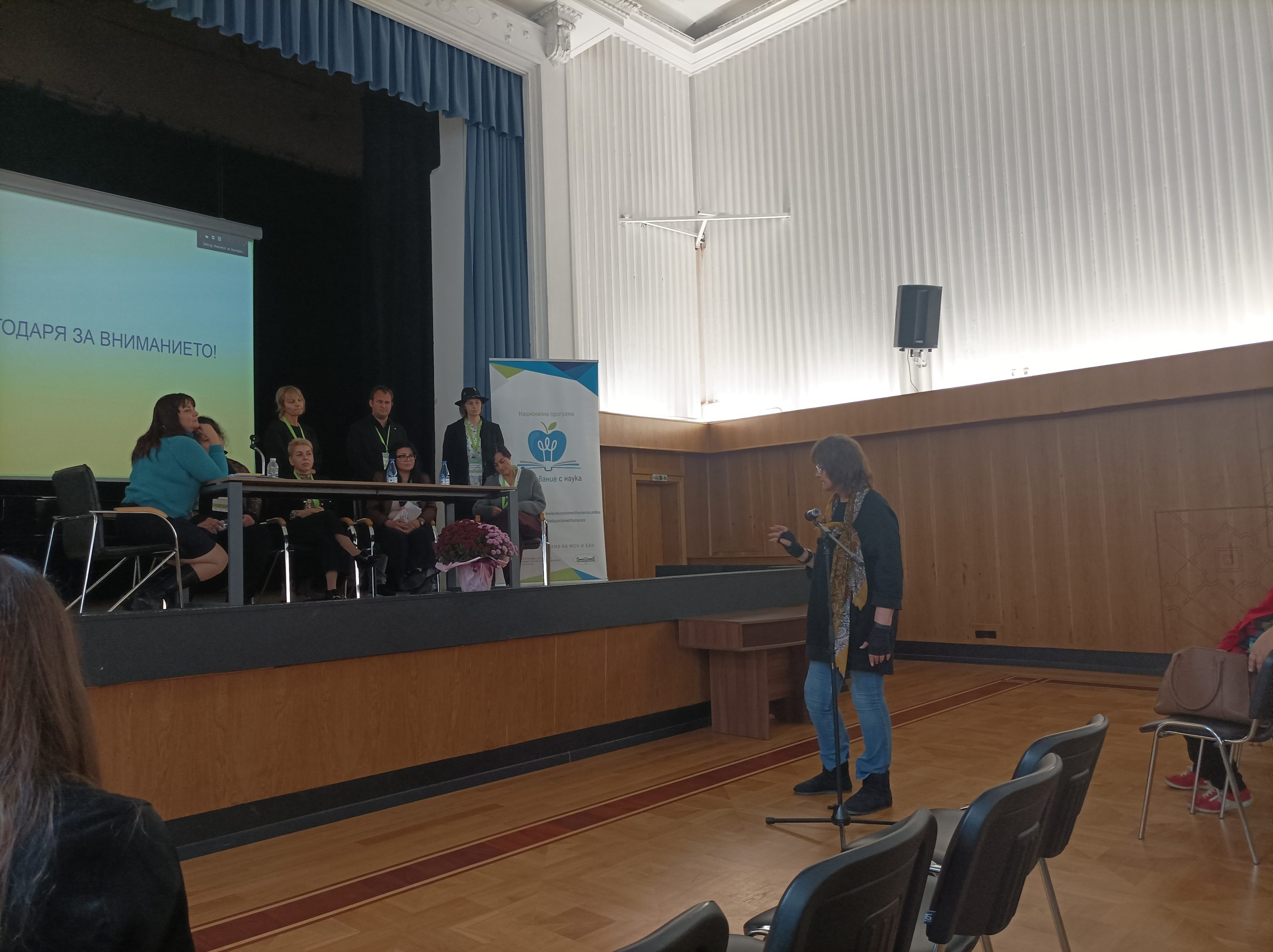
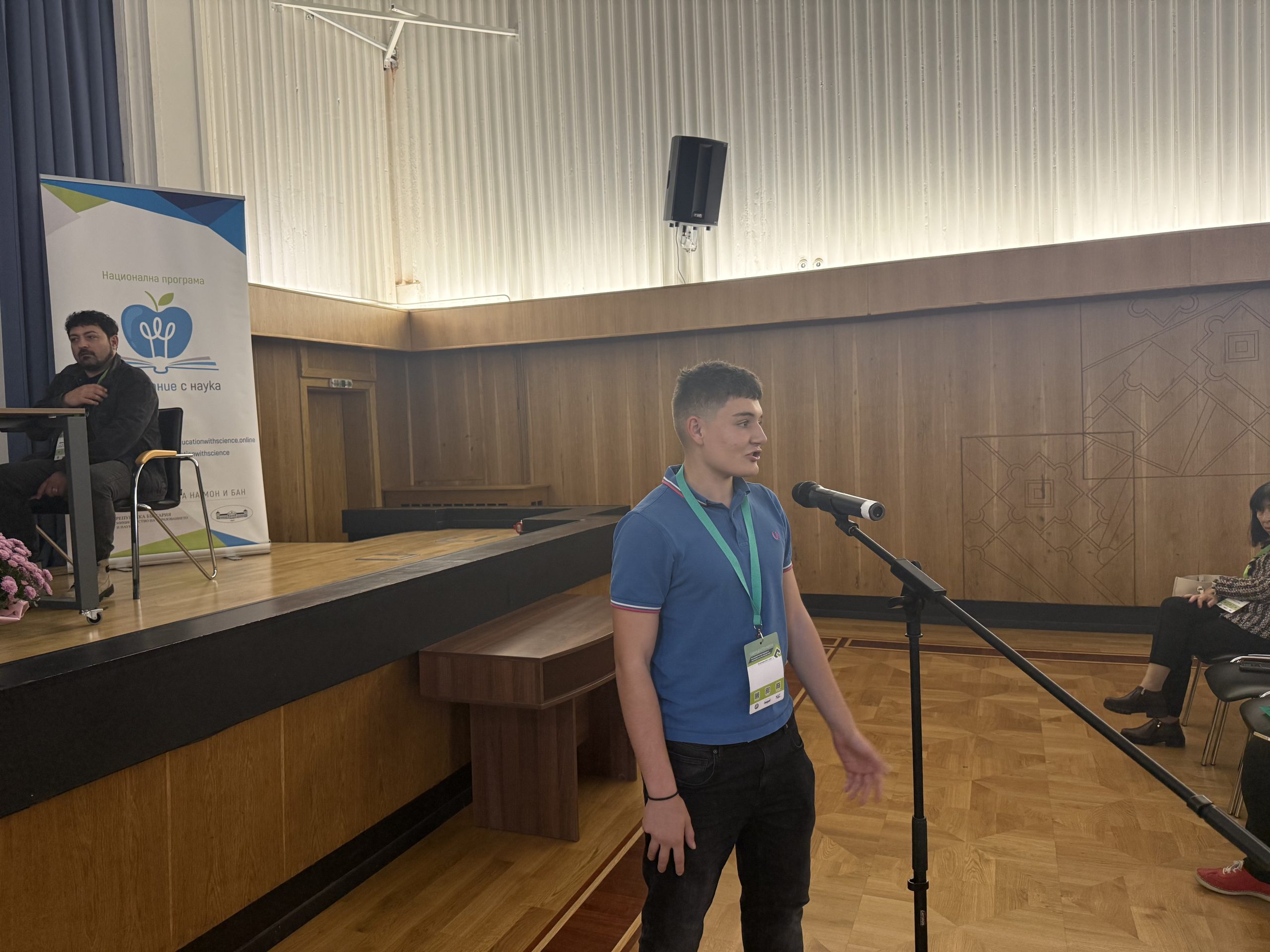
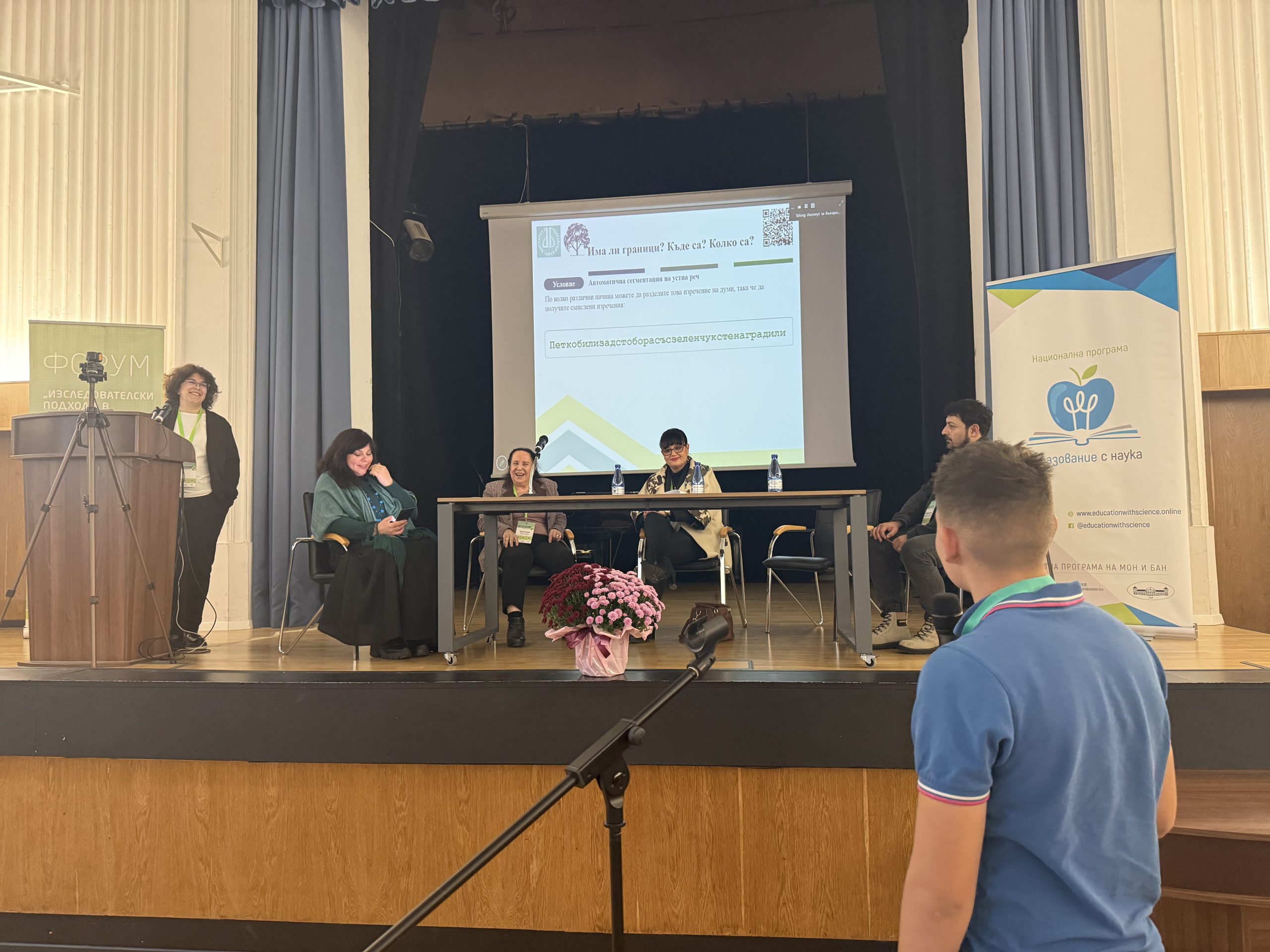
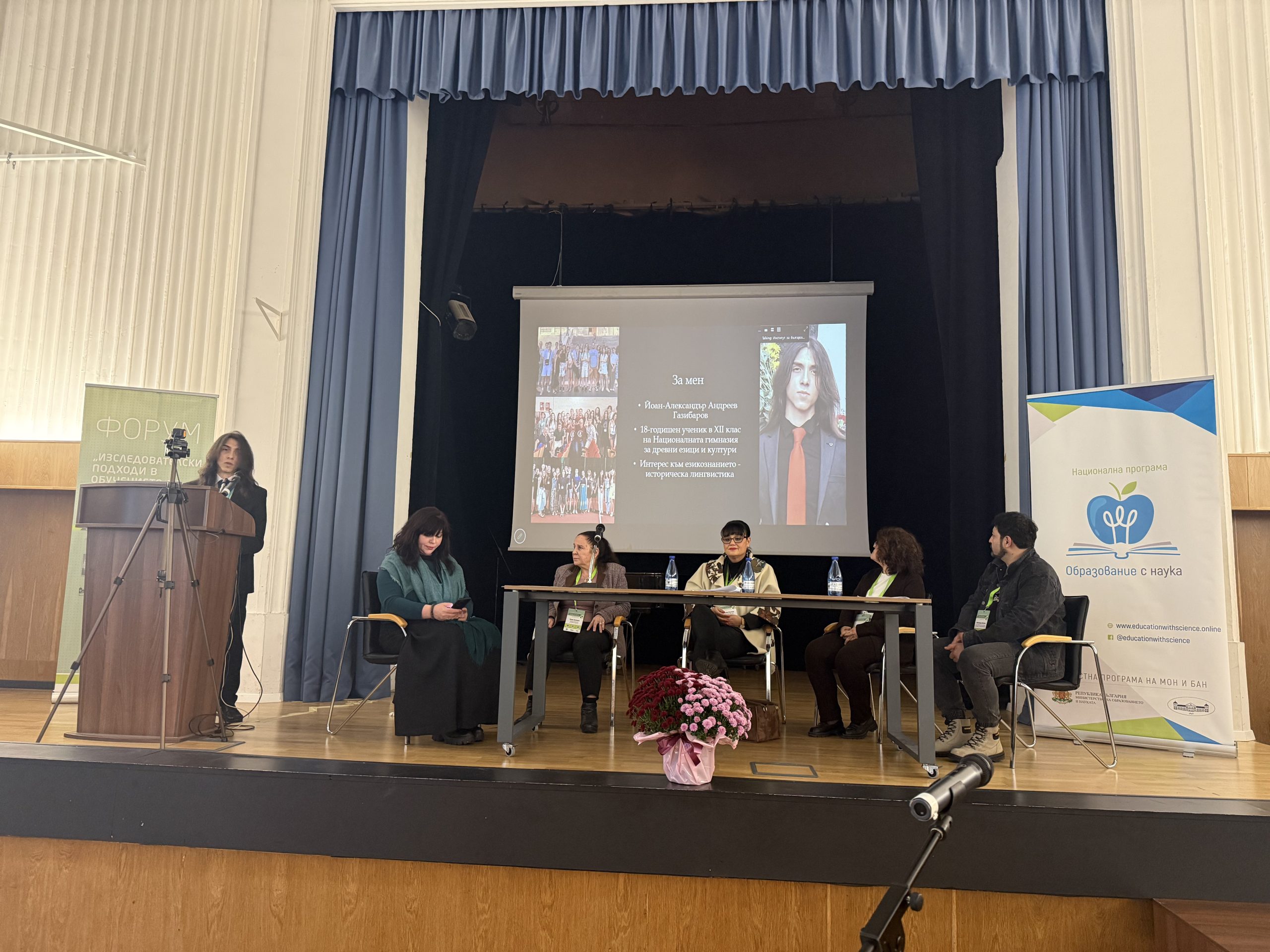
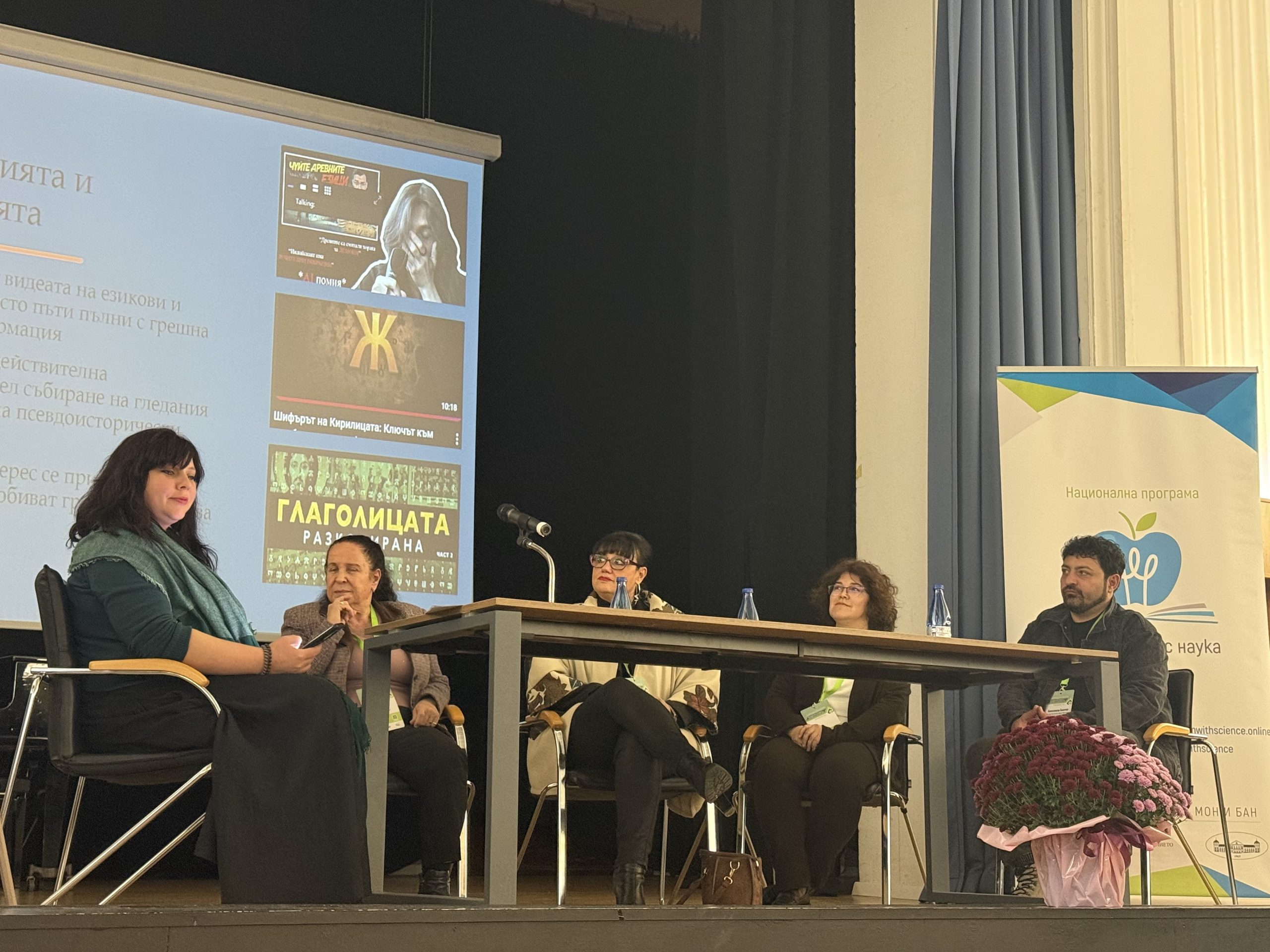
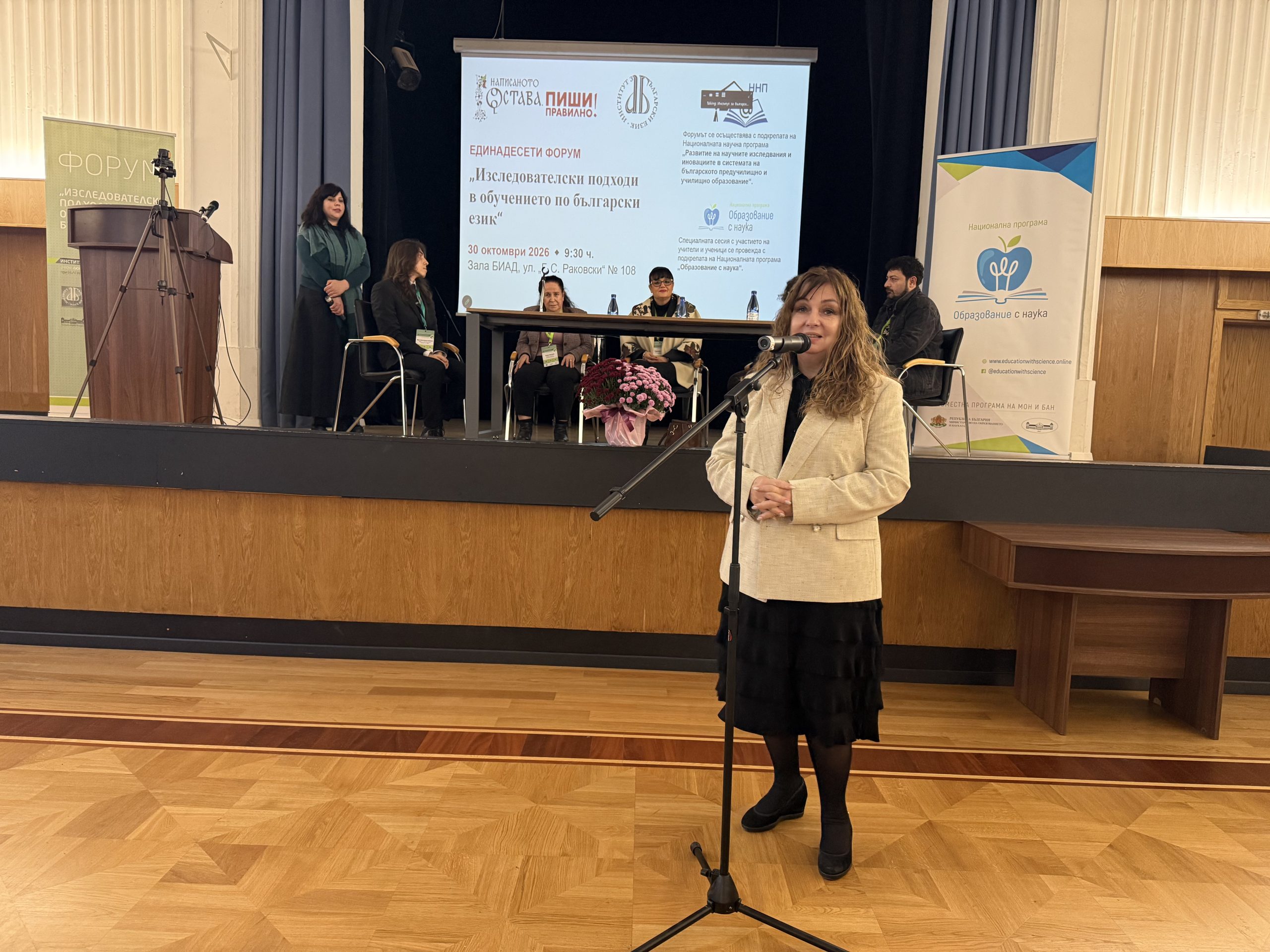
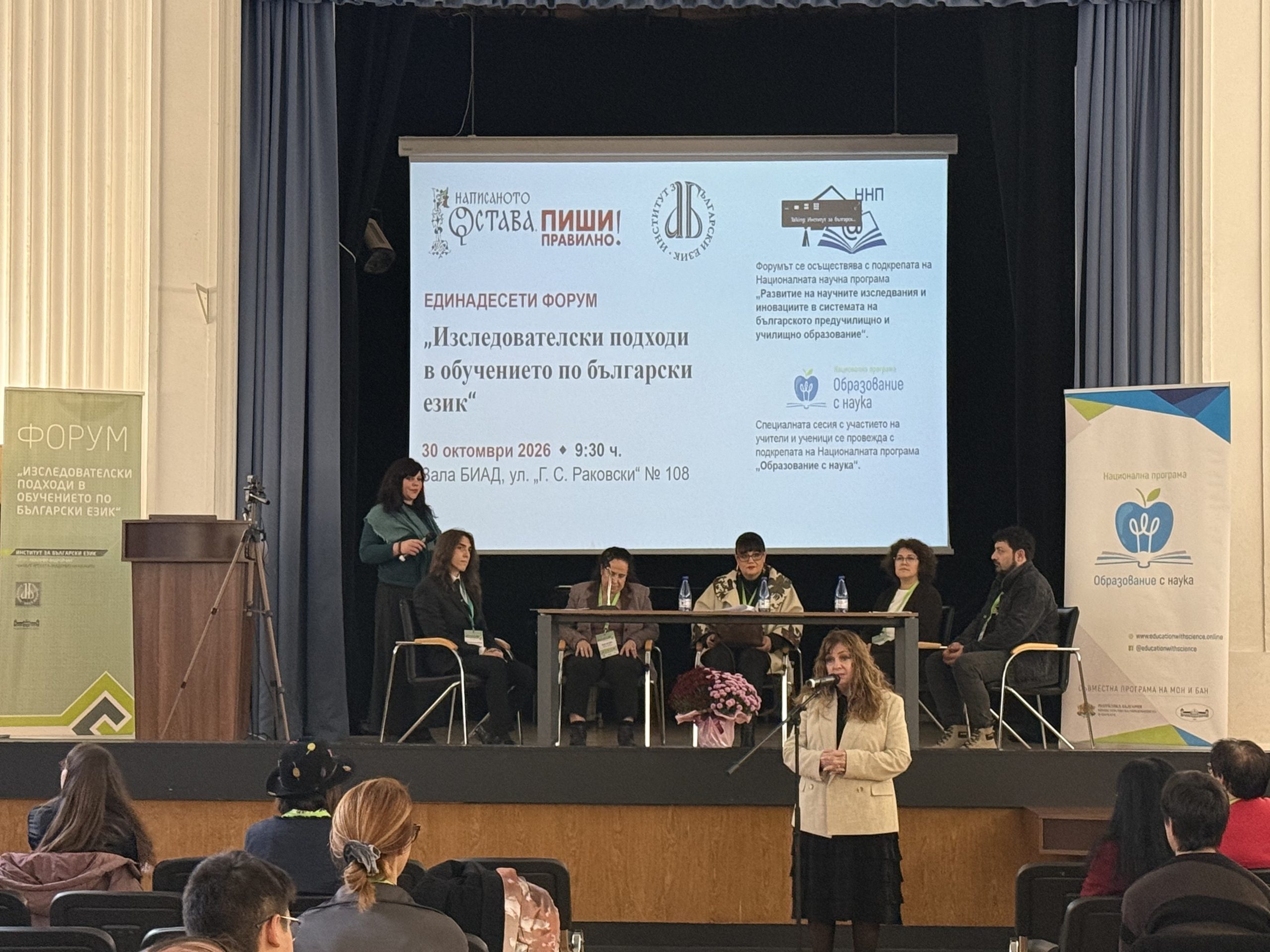
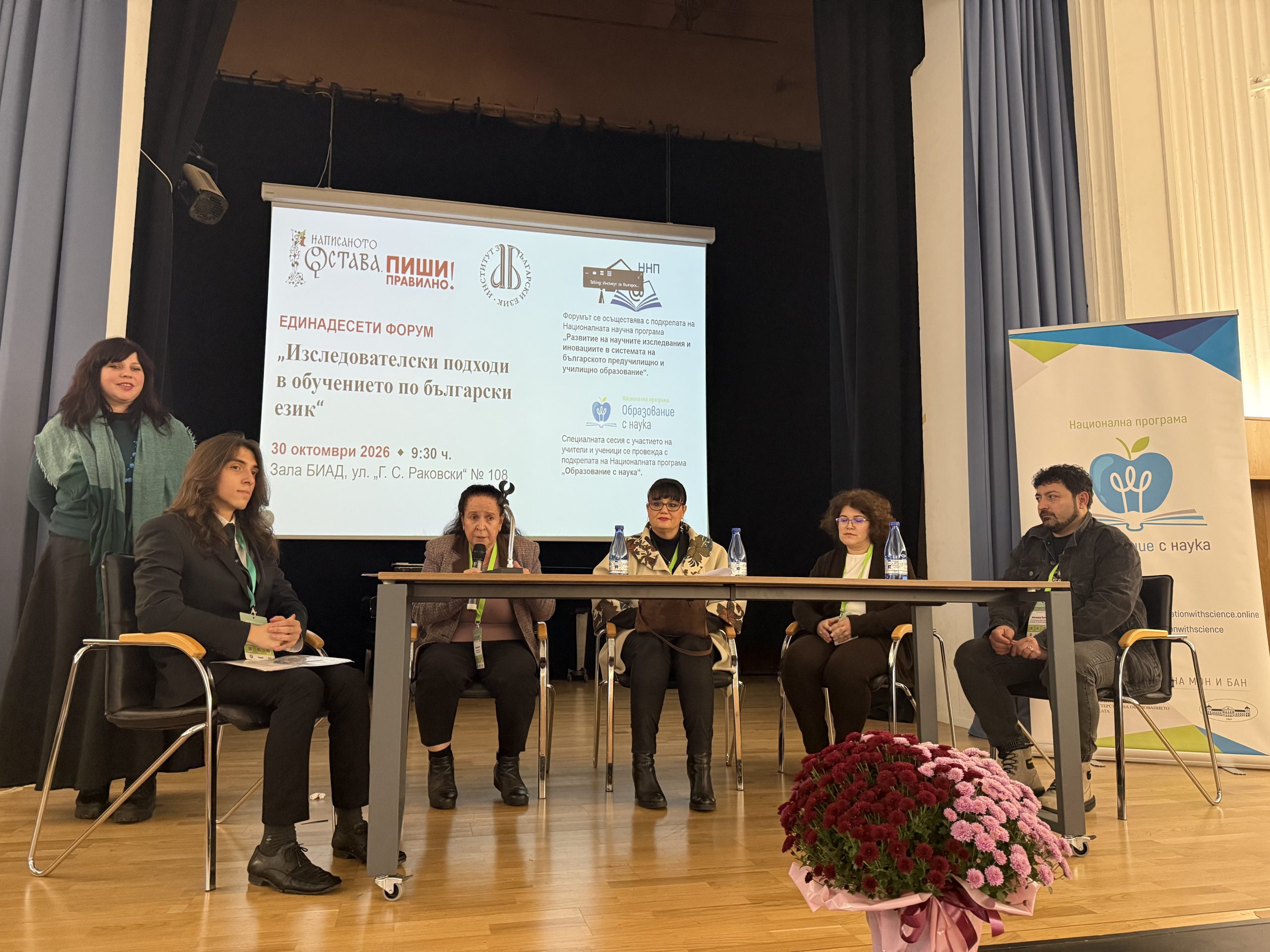
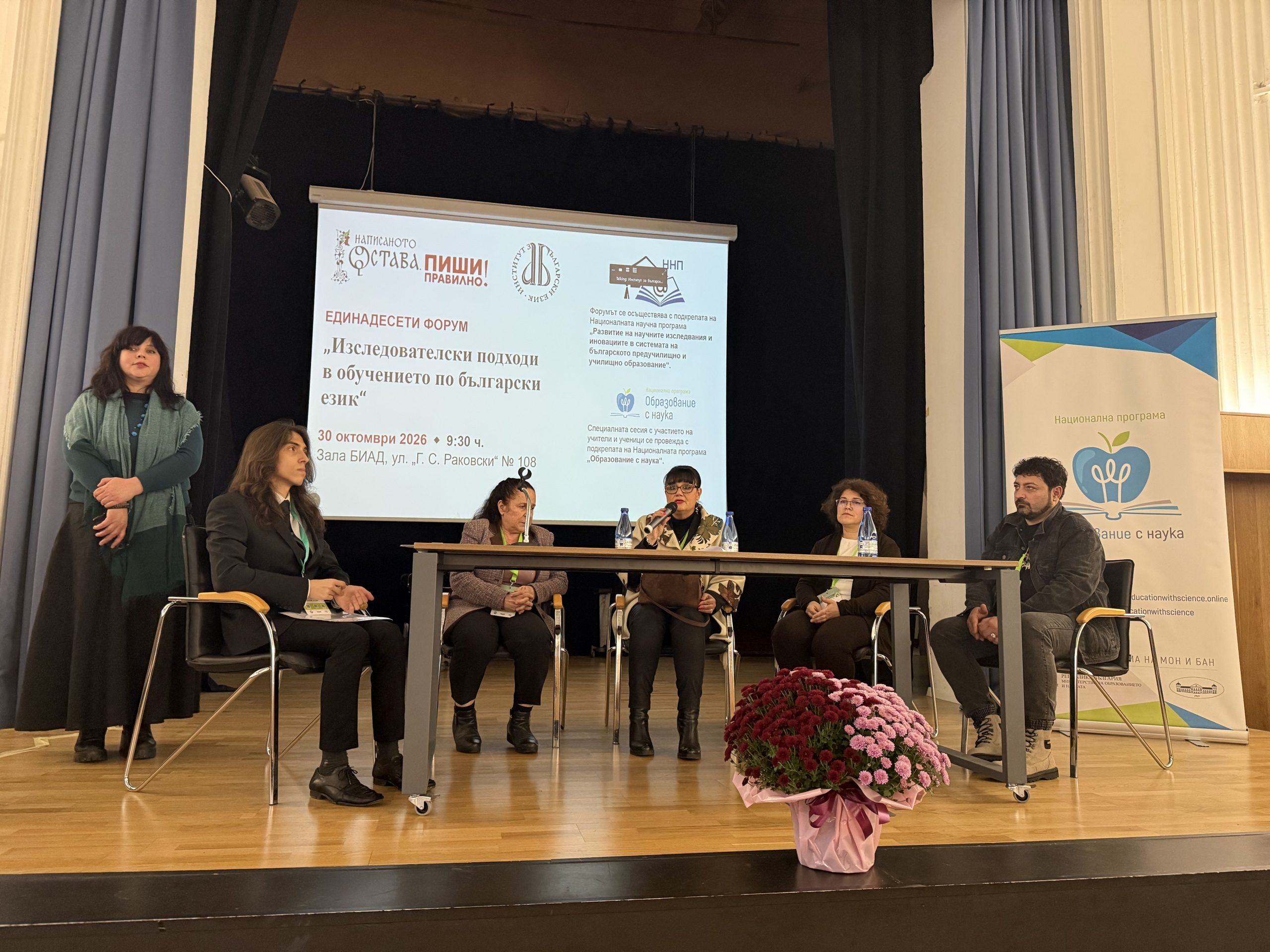
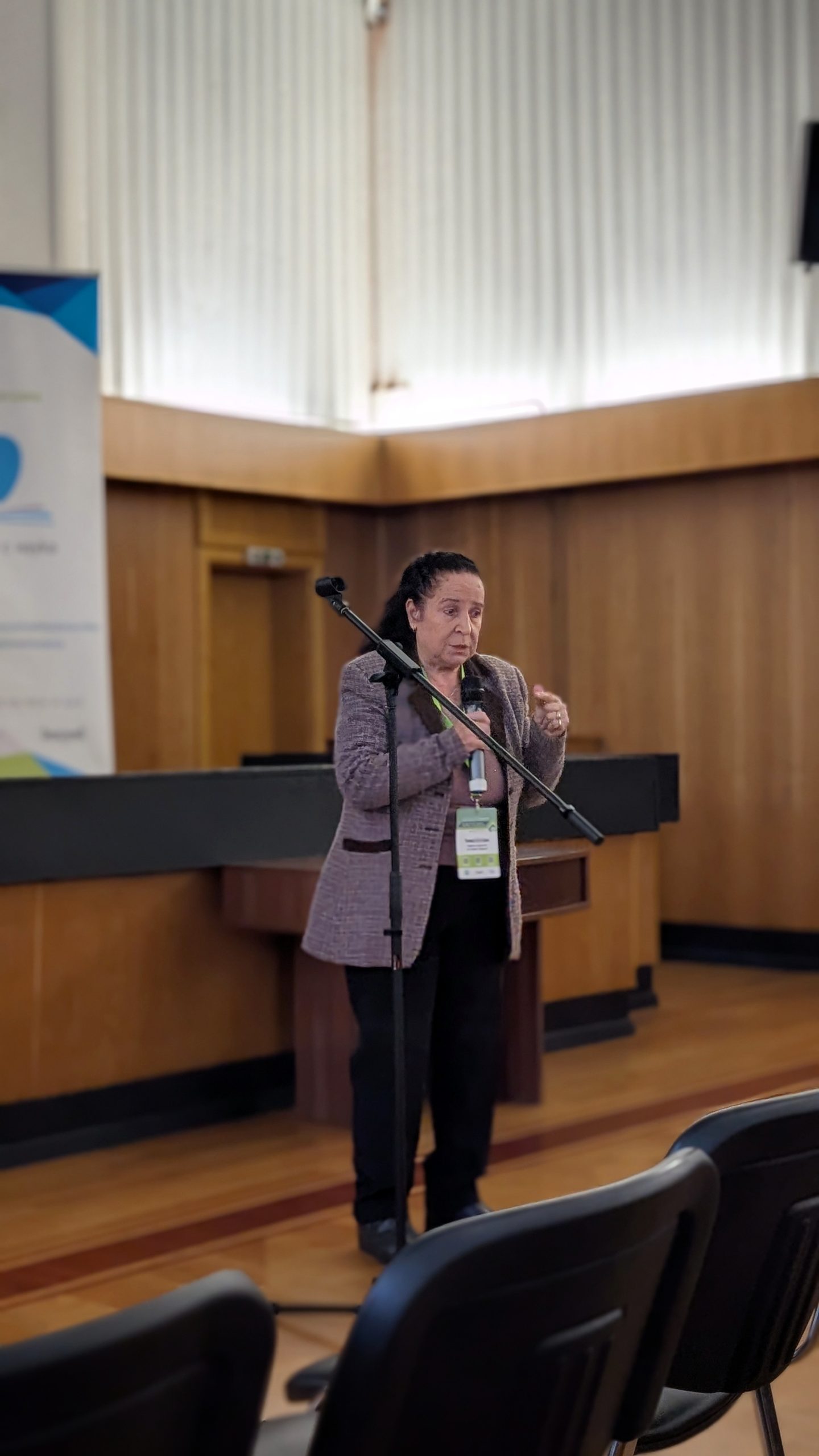
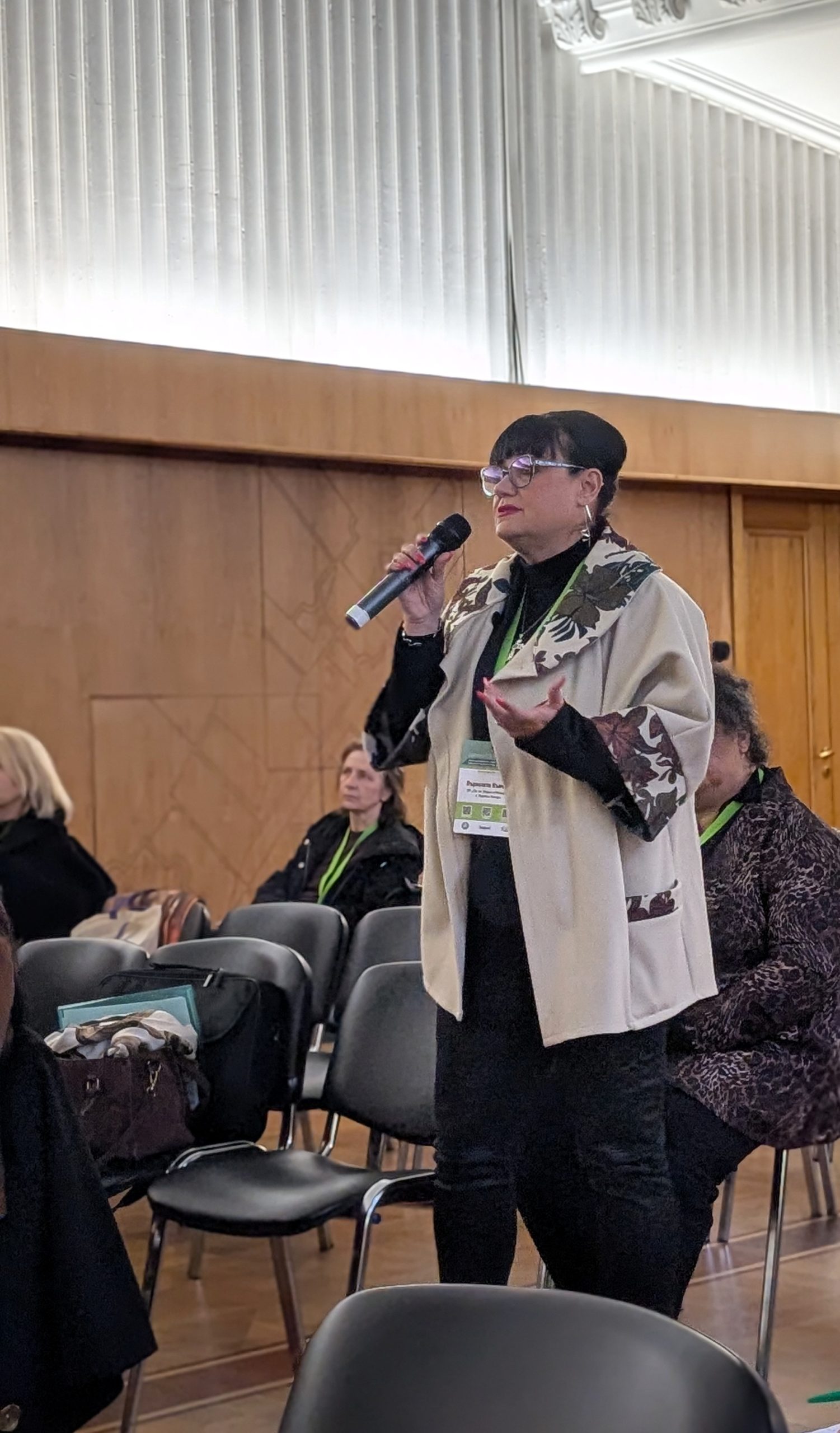
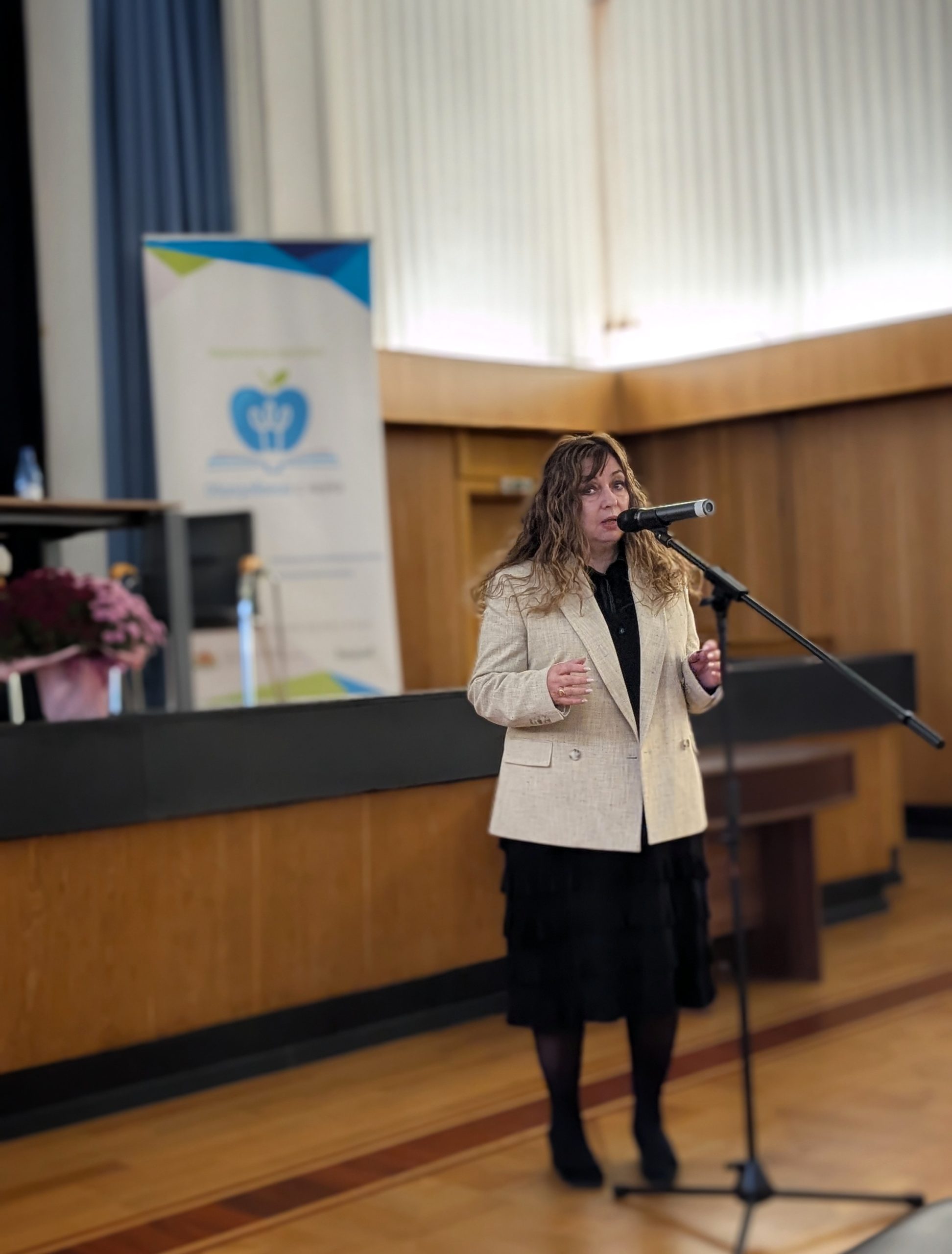
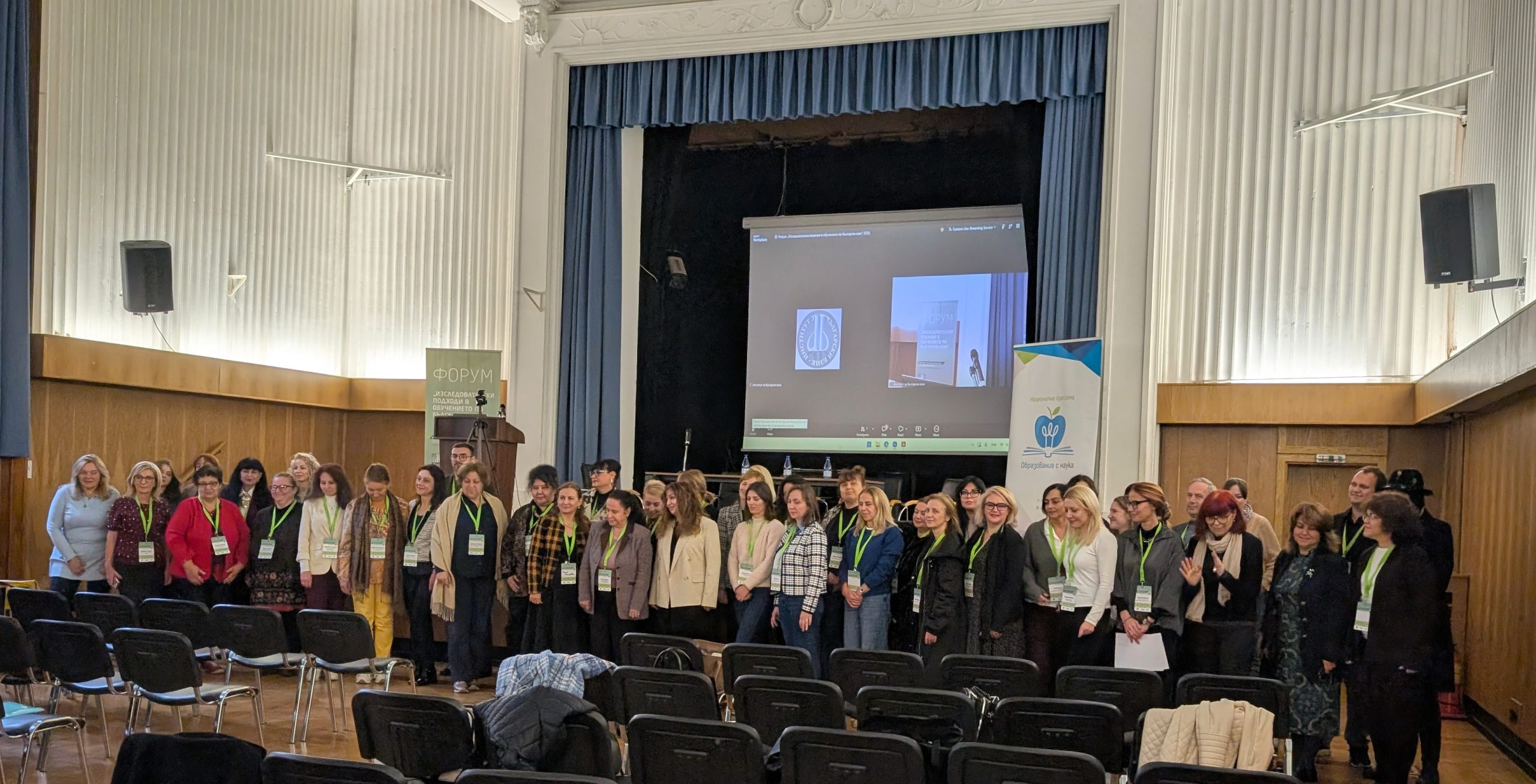
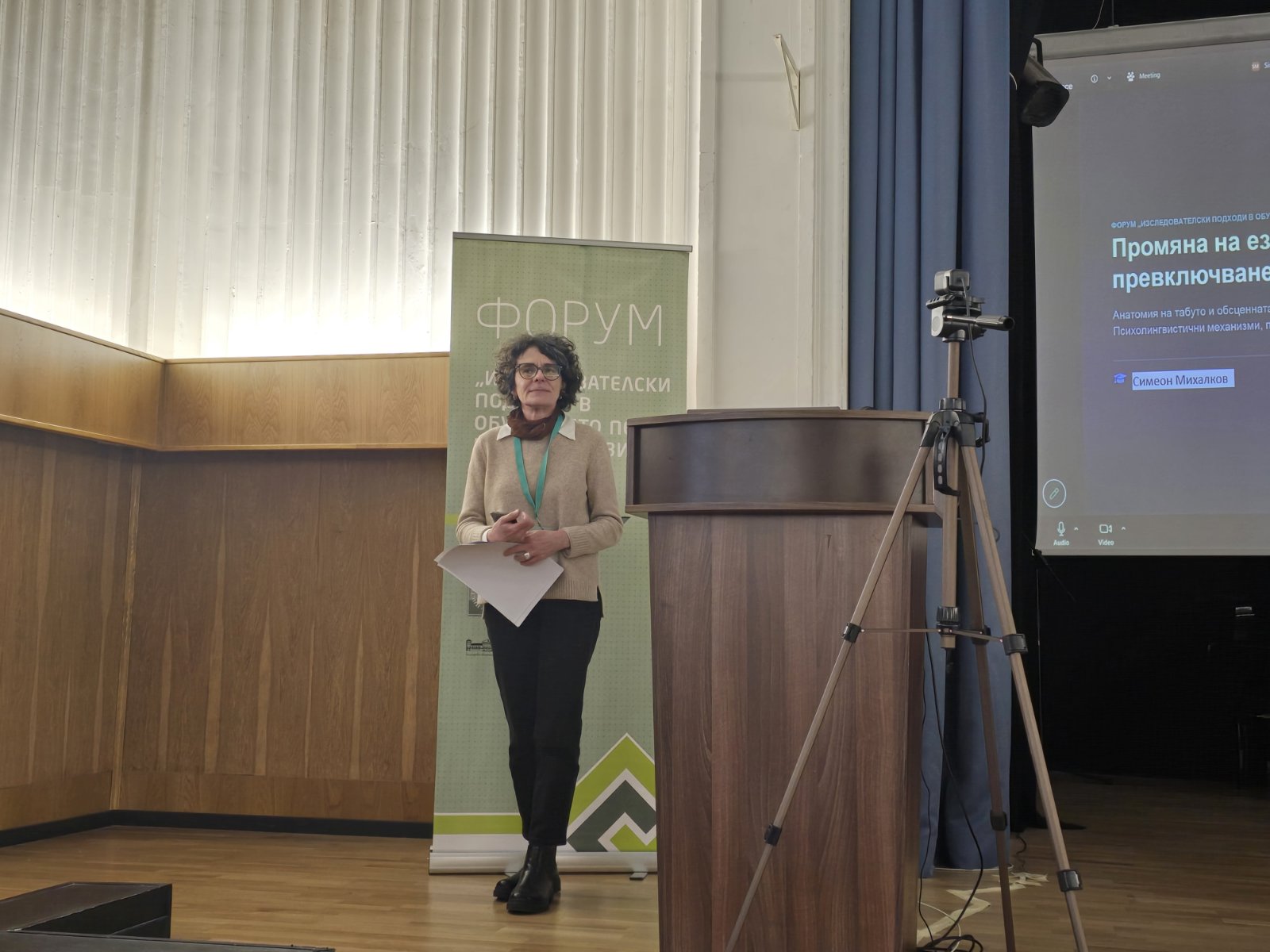
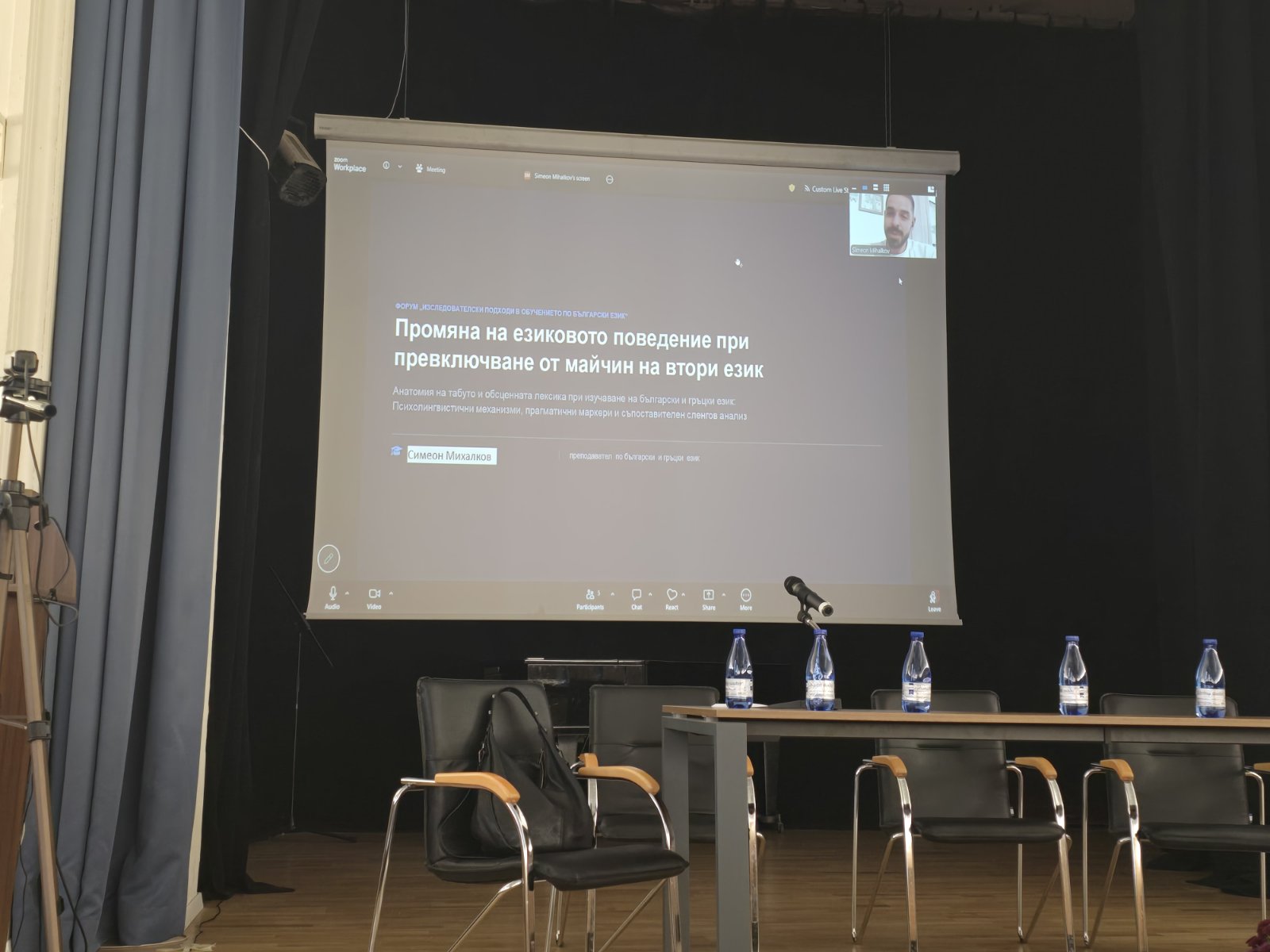
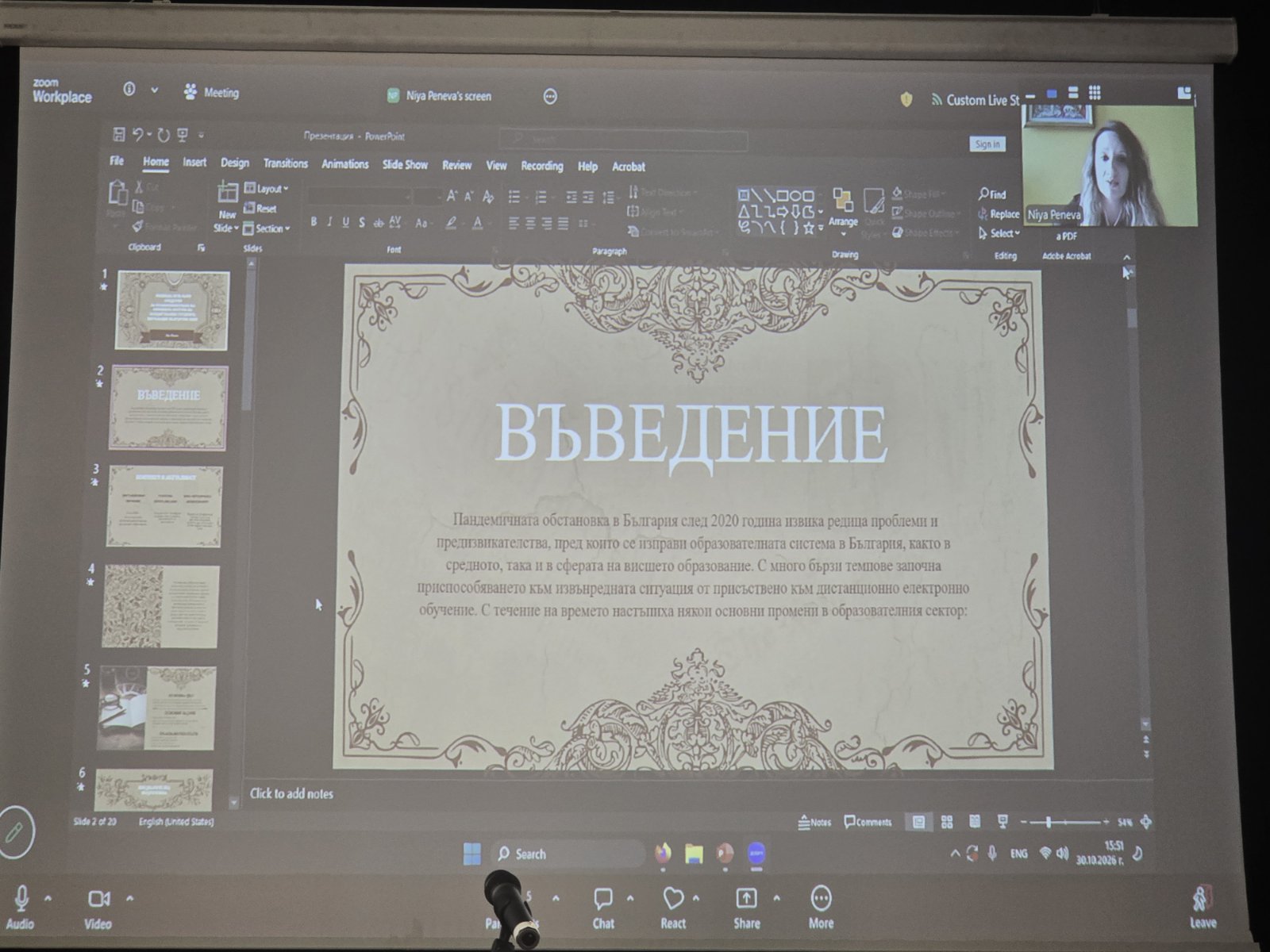
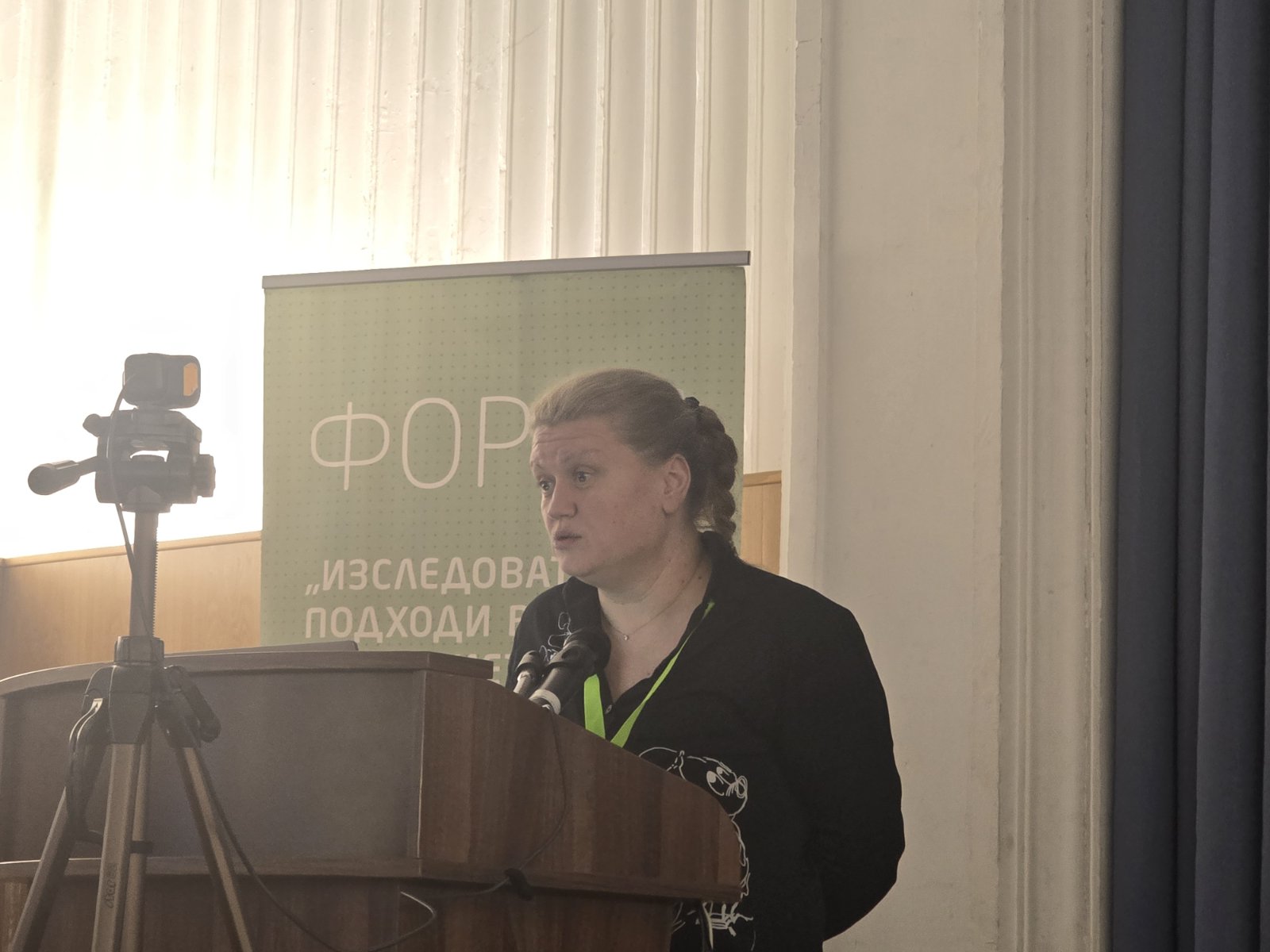

ДЕСЕТИ ФОРУМ „Изследователски подходи в обучението по български език“
Sorry, this entry is only available in Български.

(Български) ДЕВЕТИ ФОРУМ „Изследователски подходи в обучението по български език“
Sorry, this entry is only available in Български.


Пети форум „Изследователски подходи в обучението по български език“
ПЕТИ ФОРУМ „Изследователски подходи в обучението по български език“ 5 ноември 2020 г. Институтът за български език „Проф. Любомир Андрейчин“ […]

(Български) ЧЕТВЪРТИ ФОРУМ „Изследователски подходи в обучението по български език“ 2019
Sorry, this entry is only available in Български.
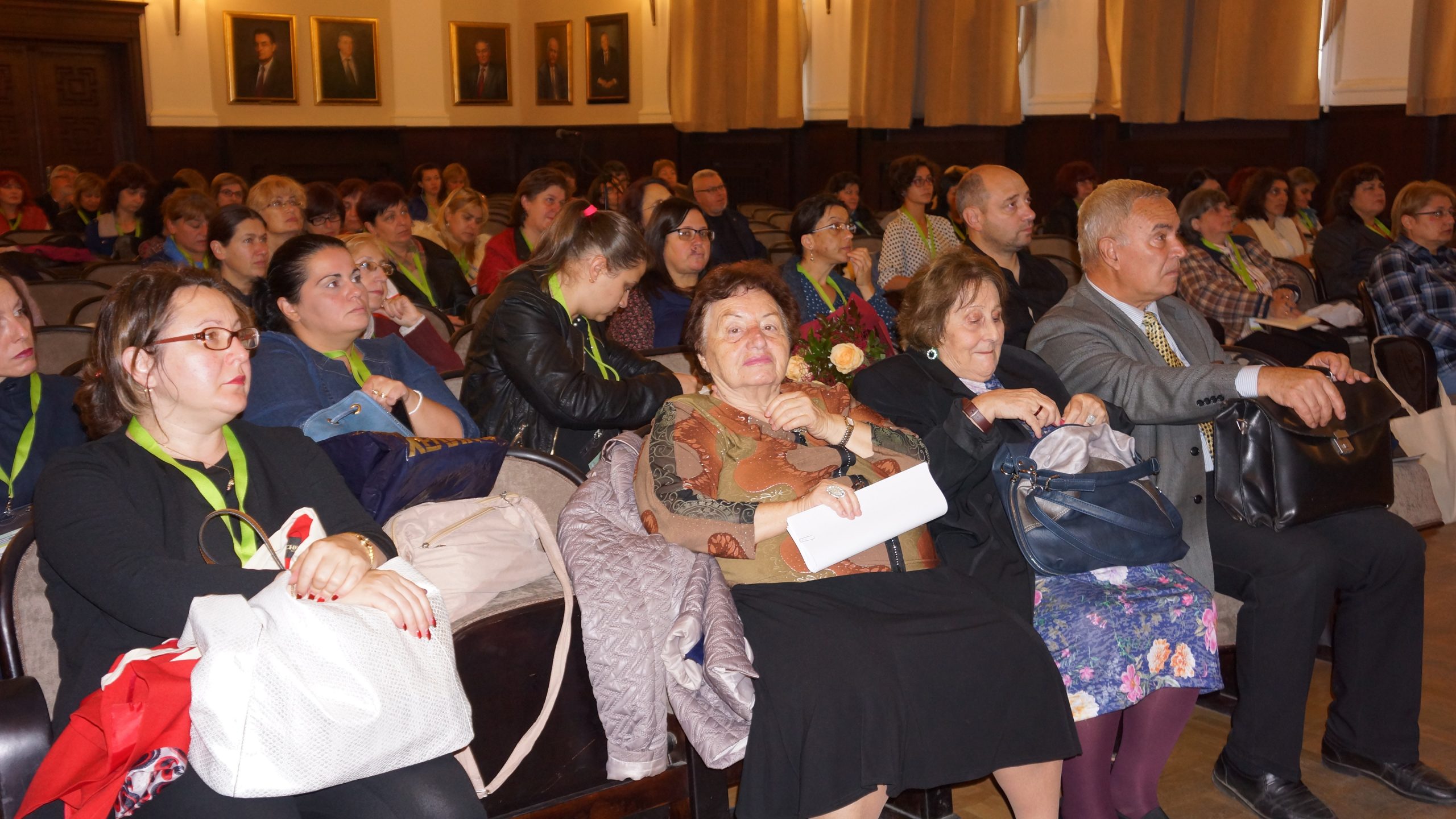
(Български) ТРЕТИ ФОРУМ „Изследователски подходи в обучението по български език“ 2018
Sorry, this entry is only available in Български.

Forum on Research Methods in Bulgarian Language Education
The second edition of the Forum on Research Methods in Bulgarian Language Education, organised by the Institute for Bulgarian Language, […]

- Knowledge of the Grammatical Features of the Local Dialect in Support of the Bulgarian Language Teacher
- Difficult Cases in Bulgarian Spelling, Grammar and Punctuation
- Assessment of Reading and Comprehension Skills at Primary School Age
- Language Resources and Technologies in Support of Bulgarian Language Teaching
Knowledge of the Grammatical Features of the Local Dialect in Support of the Bulgarian Language Teacher
Lecturer: Assoc. Prof. Iliyana Garavalova, Ph.D. – up to 10 participants
The course examines the benefits for teaching Bulgarian at school of knowing the specific features of one’s native dialect that distinguish it from the literary norm. The well-known fact that local dialects are the wealth of the language, that they are a source of vocabulary unique in its diversity, beauty and expressiveness, that they underlie the literary norm and enrich the literary language, and that command of the dialect, together with the ability to use it appropriately, is one of the most important language competences related to mother-tongue education that children should acquire at school, is only one aspect of this complex and multi-layered issue. Vocabulary is undoubtedly the most noticeable and attractive part of any dialect, but precisely for this reason it is much more clearly marked in the speaker’s mind as inappropriate outside the domestic sphere of communication. Besides their specific lexical paradigm, however, local dialects are also distinguished by their own highly specific system of grammatical norms, which differs to a greater or lesser extent from the literary one. It is this system that is much more deeply rooted in our minds, because it is the first language code acquired at a very early age and it invariably accompanies our everyday life during the period of acquiring initial speech skills. It is therefore considerably more stable and much more difficult to change. To erase the traces of one’s native dialect in formal communication, a person has to make a serious conscious effort, which begins at school.
This is why it is extremely important for the teacher of Bulgarian language and literature to have an excellent knowledge of the local dialect. This would help them foresee the difficulties their students will have in acquiring the literary norm, because the specific features of the native dialect are particularly indicative of the main types of errors to be expected in students’ written and oral production. They can serve as a key criterion for teachers in deciding which part of the curriculum to emphasise and which measures are adequate in the particular situation in order to achieve optimal results.
Course programme
- The Bulgarian language continuum – 1 in-person lecture hour examining the boundaries of the Bulgarian linguistic territory, the grounds for speaking of the unity of the Bulgarian language within these boundaries, the main features of the dialectal division of Bulgarian, and the formation of the Bulgarian literary language during the National Revival period; 1 hour of independent work in which participants have the opportunity to find and present samples of the local dialect of the place where they teach.
- The specifics of the yat alternation – main types of local dialects (the topic is related to the acquisition of spelling in primary school) – 1 in-person lecture hour – clarifying the concept of the yat isogloss belt, introducing participants to the specifics of the reflexes of the Old Bulgarian yat vowel in different positions in the main types of local dialects, and analysing the issue from the perspective of acquiring the literary norm; 1 hour of independent work – presenting the yat alternation in the specific dialect of the place where each teacher works.
- Other dialectal phonetic phenomena directly related to the acquisition of literary spelling and orthoepic norms – 1 in-person lecture hour – analysis of phonetic phenomena such as the alternation of Old Bulgarian я, the reduction of open vowels, the merger of the Old Bulgarian nasal vowels, the development of the Proto-Slavic consonant clusters *tj, *dj, *ktj, etc.; 1 hour of independent work – phonetic analysis of a dialect text from the place where each teacher works.
- Dialectal accentology and the literary orthoepic norm – 1 in-person lecture hour presenting the main dialectal differences at the accentual level and the possible problems they may cause for students in acquiring the literary orthoepic norm; 1 hour of independent work on questions related to the specific accentology of the local dialect of the place where each teacher works.
- Dialectal morphology. Morphological categories of the noun – comparison of the dialectal and the literary level – gender, number / count form, case, indefiniteness / definiteness – 1 in-person lecture hour; 1 hour of independent work on the topic, chosen by the teachers.
- Dialectal morphology. Morphological categories of adjectives and pronouns – comparison of the dialectal and the literary level – gender, number / count form, case, indefiniteness / definiteness – 1 in-person lecture hour; 1 hour of independent work on the topic, chosen by the teachers.
- Dialectal morphology. The verbal morphological paradigm – comparison of the dialectal and the literary level – 1 in-person lecture hour; 1 hour of independent work on the topic, chosen by the teachers.
- Dialectal syntax – the relations between simple clauses within the complex sentence, word order, etc. – 1 in-person lecture hour; 1 hour of independent work on the topic, chosen by the teachers.
For the independent work (topics 2–8), teachers may use their own recordings of the local dialect of the place where they work, as well as already published texts. The issue is analysed in view of the possible problems that a given dialectal feature may cause in the process of acquiring the literary norm, and of finding measures adequate to the particular situation in order to achieve optimal results.
Difficult Cases in Bulgarian Spelling, Grammar and Punctuation
Lecturers: Assoc. Prof. Tatyana Aleksandrova, Ph.D. – up to 5 participants; Assist. Prof. Iliyana Kuneva, Ph.D. – up to 5 participants (up to 10 participants in total)
Mastering the rules of the Bulgarian literary language is one of the main goals of school education. Achieving it enables young people to cope better with tasks in other school subjects and, in the long term, to achieve more successful professional and personal fulfilment. The proposed course will systematically present the current state of the norms of contemporary literary Bulgarian in relation to their codification, focusing on the problematic points of the normative system. It will analyse those spelling, grammar and punctuation rules which, for one reason or another, cause hesitation and difficulties for students, with the aim of offering tools for overcoming them in the learning process. Difficult cases not covered by the current codification or arising from the tension between language practice and codified rules will be discussed. Various approaches to teaching material related to literary norms will be presented, with the systematic approach standing out as one of the main ones. These approaches ensure consistency with the latest normative reference works of the Institute for Bulgarian Language.
The course consists of a theoretical and a practical part in a ratio of approximately 1 : 1.
The theoretical part will use contemporary approaches to present the relationship between norm and codification, give a brief overview of the state of the main literary norms of Bulgarian and their codification in normative reference works, and analyse the reasons for the difficulties in acquiring certain rules. It will highlight difficult cases in writing words as one word, with a hyphen or as separate words, in the use of capital and lower-case letters, in some basic grammatical norms of literary Bulgarian, as well as difficult cases in punctuation. Solutions to specific complex cases will be worked out through discussion. The planned topics will be delivered as lectures with presentations, and each topic will include a substantial practical part.
In the practical module, teachers work in teams on assignments involving the analysis of normative errors in various texts and of the reasons for the difficulties in acquiring the rules; tools for overcoming these difficulties are discussed. Teams present to their colleagues the solutions they have reached on complex cases in spelling, grammar and punctuation. Final decisions are made through discussion. The examples are selected in advance so as to illustrate a given phenomenon well; they include texts with typical errors, but also difficult cases that require an analytical approach. The individual language phenomena are selected both with regard to students’ typical errors and difficulties in deciding on the correct variant, and according to their coverage in the Bulgarian language curricula for the respective grades and in the examination programmes for admission to specialised schools after grade 7 and for the state matriculation exam in Bulgarian language and literature. Teachers will have the opportunity to share good practices aimed at achieving lasting results in mastering literary norms, and to present and discuss examples which they themselves find difficult for objective reasons. The lecturers’ extensive experience in the codification of norms and in language consultation, together with the carefully selected training material, provides a good opportunity for teachers’ specific questions to receive competent answers.
Topics covered in the course
- Norm and codification
- Writing words as one word, with a hyphen or as separate words
- Use of capital and lower-case letters
- Difficulties in acquiring some grammatical norms of literary Bulgarian
- Difficult cases in punctuation
Course objectives
- Improving teachers’ competence in the norms and codification of contemporary literary Bulgarian.
- Supporting teachers in teaching the system of literary norms more effectively, with an emphasis on complex and difficult cases in spelling, grammar and punctuation.
- Familiarising teachers with the resources of the Institute for Bulgarian Language and their use in teaching spelling, grammar and punctuation.
Forms of training
Training is delivered in person and remotely. Both group and individual training are possible. The training combines lectures with practical sessions.
Course completion
The training is completed with an individual written assignment on a topic or task chosen in consultation with the lecturer. At the end of the training, a document of course completion is issued, on the basis of which a certificate is issued by the Institute for Bulgarian Language.
Training methods
- Lecture
- Discussion
- Case study and problem solving
- Teamwork
- Individual assignment
Indicators of expected learning outcomes
Upon completion of the course, participants will have improved their professional qualifications in the following respects:
- they will be more thoroughly acquainted with contemporary approaches to the norm and codification of the Bulgarian literary language;
- they will further improve their skills in explaining difficult cases in the system of literary norms and will become familiar with various techniques for overcoming difficulties, with a view to building lasting skills in students to apply the rules;
- they will apply the systematic approach more successfully when teaching content related to literary norms;
- they will be able to make fuller use of the resources of the Institute for Bulgarian Language in their work and to recognise high-quality sources of information.
Assessment of Reading and Comprehension Skills at Primary School Age
Lecturers: Assist. Prof. Valentina Stefanova, Ph.D. and Assist. Prof. Hristina Kukova, Ph.D. – up to 5 participants
The course presents research approaches to assessing and analysing the level of reading literacy of students at the primary and lower secondary stages of education with the help of modern technologies. Particular attention is paid to the tools, opportunities and interdisciplinary methods that can be used to ensure that Bulgarian language teaching keeps pace with the development of information and communication technologies. Reading skills assessment systems (PISA, PIRLS) and the main indicators used in analysing their results are examined. The course also presents previous experience in assessing knowledge of the meanings and use of verbs from the core verbal vocabulary of Bulgarian, based on observations of the results of language tasks carried out online. A main focus of the course is the assessment of reading skills using the ReadLet platform, which records and collects synchronised multimodal data – text, a voice recording of the reading, and finger-tracking of the text. In addition, entertaining language games and tasks will be presented that can assist teachers in developing students’ reading and general language skills. The course does not require prior theoretical or practical preparation; it introduces participants to the various opportunities that language resources and technologies offer for analysing results in class. The lectures have both a theoretical and a practical orientation.
Course objectives
The course aims to improve the competence of Bulgarian language teachers working in basic education (lower secondary stage) and secondary education (upper secondary stage) in working with modern language resources and technologies for Bulgarian. Familiarising teachers with the possibilities for monitoring students’ reading literacy through the ReadLet programme will give them greater freedom and flexibility in selecting texts suited to the age and abilities of particular groups of students.
Forms of training
The training combines (a) a theoretical part (lecture topics) and (b) a practical part (practical sessions). Various interactive forms of presentation will be used during the sessions, demonstrating the opportunities that the platforms, applications and resources discussed offer for enriching Bulgarian language teaching. Practical tasks requiring work with a computer and the internet, related to retrieving, organising and presenting information, will be set.
Course completion
The training will be completed with an individual assignment comprising three components: (a) setting and discussing theoretical and practical problems, (b) individual work and (c) discussion. The individual work with which the course concludes includes a practical part, related to designing and setting specific research tasks and projects suitable for students of different ages, and an analytical part examining the goals and results as a set of knowledge and skills related to completing the given task. Both individual and group projects will be considered. Course participants will receive a certificate from the Institute for Bulgarian Language confirming the successful completion of the course and the number of credits obtained.
Training methods
As the course will demonstrate the opportunities that modern technologies and available language resources for Bulgarian offer in support of teaching, it is planned to combine group sessions and individual work. For the practical acquisition and practice of the skills gained, in addition to lectures, teachers will take part in demonstrations of the language resources and technologies.
Indicators of expected learning outcomes
The indicators of successful achievement of the course objectives are:
- demonstrated skills in creating and using a virtual interactive learning environment;
- skills in using electronic language resources for research observations and for visualising language-related information;
- skills in designing and setting different types of tasks based on language resources and technologies.
Lecture topics
- Analysis of the results of the international study of reading skills Progress in International Reading Literacy Study – PIRLS
- Analysis of the results of the international study of reading skills and levels of text comprehension Programme for International Student Assessment – PISA
- Associative and thematic tasks for testing the mastery of the lexical meaning and combinability of verbs from common vocabulary
- Contextual tasks for the appropriate use of verbs from common vocabulary
- Analysis of the results of the study of the levels of mastery of the meaning, use and combinability of verbs from common vocabulary in Bulgarian
- Strategies for monitoring and assessing reading and comprehension skills in primary school students based on modern language and information technologies
- Comparison of modern methods for assessing reading skills: eye-tracking, tactile data and acoustic data
- Goals and expected results of the project “Assessment of Reading and Comprehension Skills at Primary School Age in Bulgaria and Italy” (a joint project of the Institute for Bulgarian Language at the Bulgarian Academy of Sciences and the Institute for Computational Linguistics “Antonio Zampolli” of the National Research Council of Italy, Pisa)
Language Resources and Technologies in Support of Bulgarian Language Teaching
Lecturers: Assoc. Prof. Tsvetana Dimitrova, Ph.D. and Assist. Prof. Maria Todorova, Ph.D. – up to 5 participants
The course will present the language resources and software developed by the Institute for Bulgarian Language and available online, and their application in Bulgarian language teaching. The following resources are covered:
- The Bulgarian WordNet (BulNet) – a lexical-semantic network containing about 250 thousand lexical units of Bulgarian, structured into more than 121 thousand synonym sets – groups of synonyms (of which over 65 thousand sets and over 134 thousand lexical units have been validated by experts) – linked by over 250 thousand semantic relations: hypernymy – hyponymy; part – whole; opposition; cause – effect, etc. A series of lectures will examine the main applications of BulNet in Bulgarian language teaching: word meaning, polysemy, homonyms, systemic relations – synonyms, antonyms, hypernyms, meronyms, etc., and word formation.
- The Grammatical Dictionary of Bulgarian – a dictionary of Bulgarian words organised by grammatical class and inflectional type. The dictionary allows queries and visualisation of all forms of a given word with their grammatical features. It can be used freely for spell-checking and for designing spelling and text-editing tasks.
- The Bulgarian National Corpus (BulNC) – the largest corpus of Bulgarian, comprising 5.4 billion words (1.2 billion in Bulgarian texts and 4.2 billion in texts in 47 other languages, which necessarily have Bulgarian counterparts). The course will examine the application of the corpus and corpus methods in Bulgarian language teaching, including searching for and retrieving information on lexical and grammatical combinability and on the meaning and use of various forms, expressions and phraseological units. Emphasis is placed on the possibilities of accessing the corpus and particular subcorpora through the search system. A separate lecture is devoted to the query language, which allows searching by different (combinations of) criteria – by word forms, lemmas and (sets of) grammatical features – and the extraction of concordances and collocations, syntactic patterns, translation equivalents and much more.
The course does not require prior theoretical or practical preparation; it introduces participants to valuable, freely accessible language resources for Bulgarian with wide practical value. The lectures are combined with practical sessions on designing and applying specific language tasks that can be used both when teaching new material in Bulgarian and for exercises.
The course aims to improve the competence of Bulgarian language teachers working in basic education (lower secondary stage) and secondary education (upper secondary stage) in working with modern technologies and the official language resources for Bulgarian. Familiarising teachers with the Bulgarian WordNet, the Grammatical Dictionary of Bulgarian and the Bulgarian National Corpus is aimed at their practical application in Bulgarian language teaching for building and testing language knowledge and hypotheses. The course will focus on approaches to creating interactive lessons and tasks for class and independent work with the help of modern technologies. The use of diverse empirical material illustrating the theoretical concepts in textbooks will give a richer picture of the lexical meaning of words, of semantic relations and constraints on the lexicalisation of concepts, and of spelling and text editing.
Lecture topics
- WordNet and contemporary linguistics. Theories of the meaning of lexical units. Linguistic motivation and practical aspects of building lexical-semantic networks.
- The Bulgarian WordNet (BulNet). Conceptual framework, structure and content of BulNet. Structure of synonym sets. Semantic relations. Types of tasks and illustrative examples in semantics and lexicology.
- Language as a network of meanings. BulNet in Bulgarian language teaching. Studying semantic relations in language for the purposes of language teaching in basic and secondary education. Using BulNet to design language tasks and illustrative examples clarifying systemic relations in language – synonyms, antonyms, hypernyms, meronyms, etc.
- BulNet in computational lexicography. Application of BulNet in compiling explanatory, translation and specialised dictionaries (of antonyms, synonyms, terms), thematic categorisations and more.
- BulNet in researching and testing linguistic hypotheses. Making linguistic generalisations with the help of BulNet. Studying the lexical meaning and semantic specifics of lexical units.
- BulNet as a dictionary and thesaurus. Applications of wordnet as an explanatory, bilingual and multilingual dictionary (together with wordnets for other languages) and as a thesaurus. Using BulNet to design language tasks and illustrative examples clarifying word meanings, the relations between the senses of polysemous words, the differences in meaning between homonyms, and the similarities and differences in meaning between derivationally related words.
- The Grammatical Dictionary of Bulgarian: structure, grammatical classes, grammatical types and subtypes. Application of the Grammatical Dictionary in Bulgarian language teaching. Types of tasks and illustrative examples that can be created with the help of the Grammatical Dictionary.
- Inflectional types. Sound alternations in inflection. Application of the Grammatical Dictionary to designing tasks in Bulgarian phonetics.
- Comparison of homonymous forms within a single word, a single part of speech and different parts of speech. The relation between inflection and the grammatical features of the base form of the word. Application of the Grammatical Dictionary to designing tasks in Bulgarian morphology.
- Language corpora. Types of corpora according to their purpose, structure, linguistic annotation, etc. Theory and principles of compiling modern corpora. Using language corpora in Bulgarian language teaching.
- The Bulgarian National Corpus (BulNC). Conceptual framework, specifics of the format, structure and composition of the corpus, description of corpus units through metadata, levels of linguistic annotation in BulNC. Using BulNC in Bulgarian language teaching.
- Linguistic annotation – sentence splitting, part-of-speech tagging, grammatical features, lemma and other information. Using linguistic annotation in Bulgarian language teaching.
- Corpus search systems and approaches. The BulNC search system. Specifics of structuring information and using the query language. Using regular expressions and formulae to search for expressions and word combinations. Using the BulNC search system to design language tasks and illustrative examples related to the lexical meaning and combinability of words.
- Corpora in researching and testing linguistic hypotheses. Making linguistic generalisations and verifying the validity of results with BulNC.
- The Bulgarian National Corpus in support of teachers. Application of language corpora in teaching morphology, syntax, semantics and stylistics in secondary education and in Bulgarian language teaching. Using corpora in preparing materials for independent work and knowledge assessment.
- Setting, developing and discussing specific theoretical and practical problems related to the use of language resources in Bulgarian language teaching.