Bulgarian and Italian researchers present new findings on reading literacy and comprehension in early grades
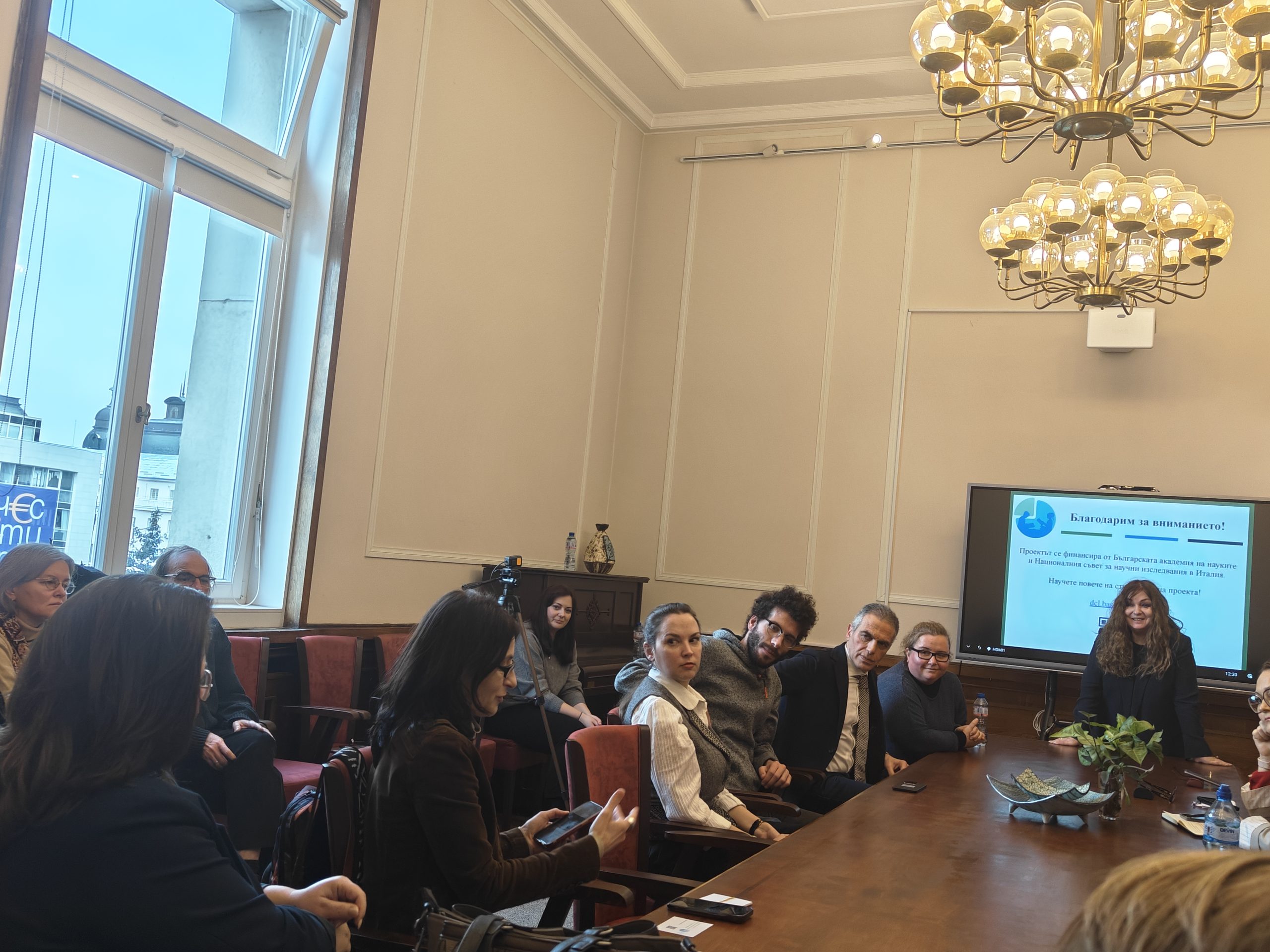
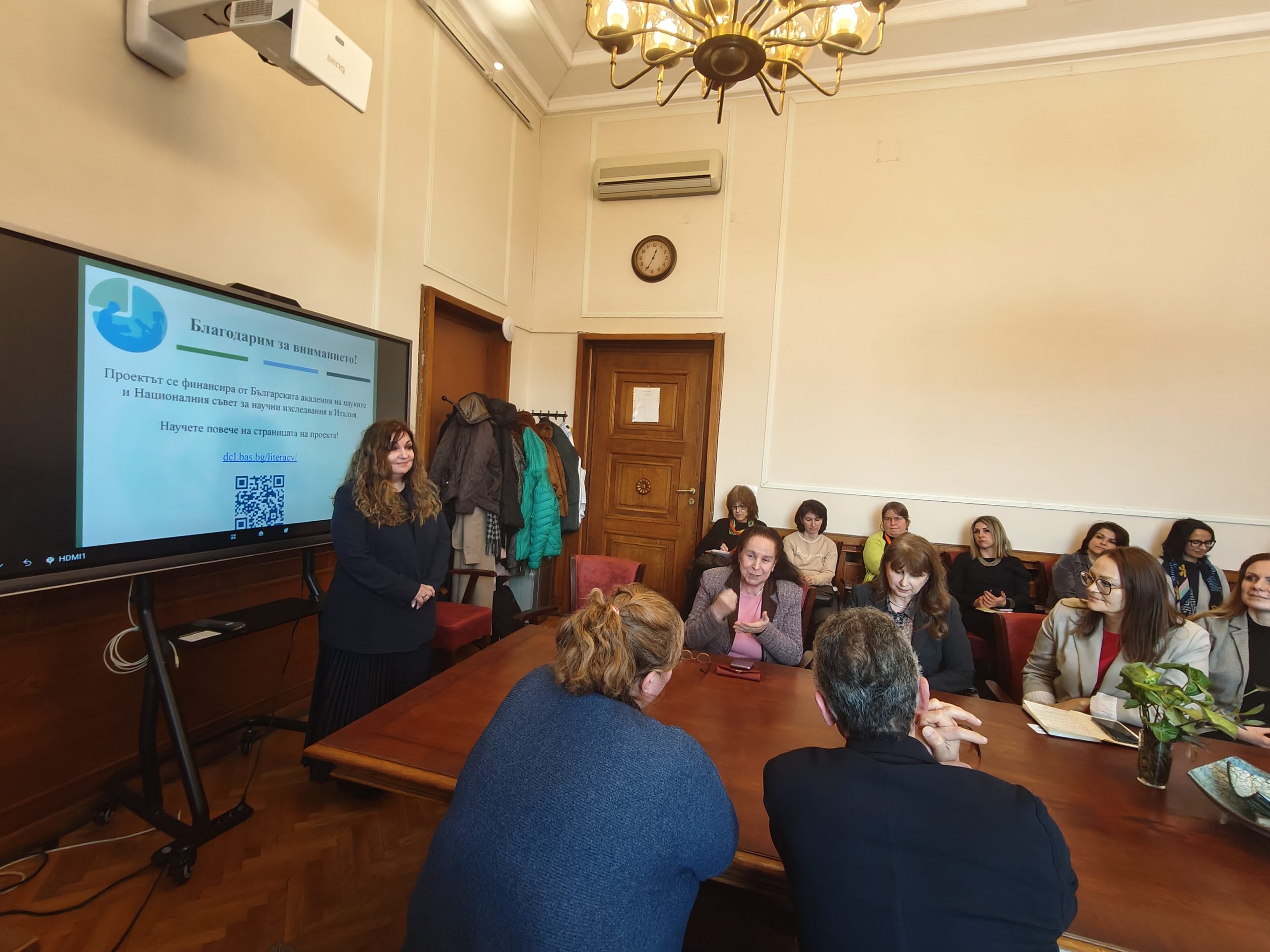
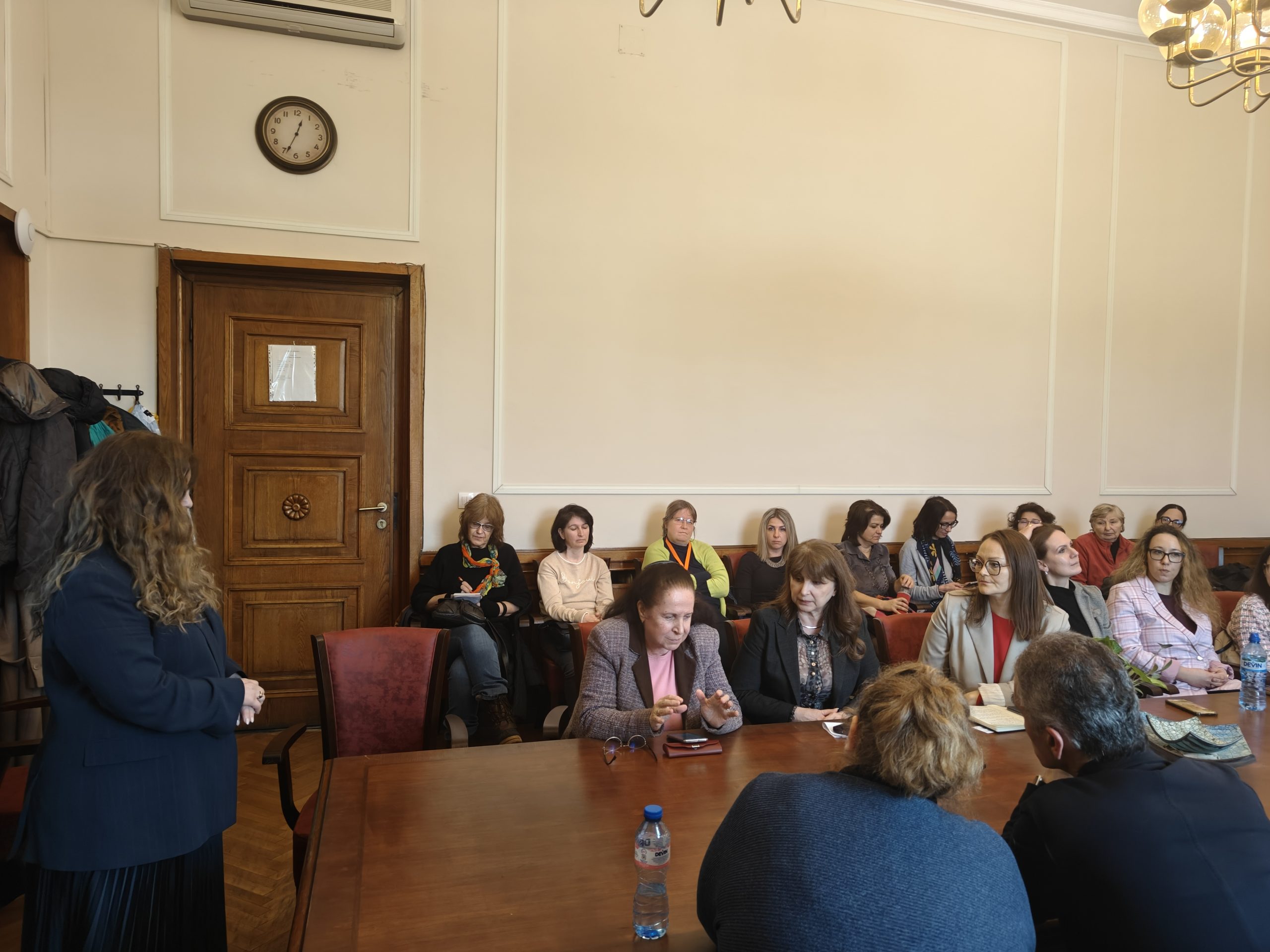
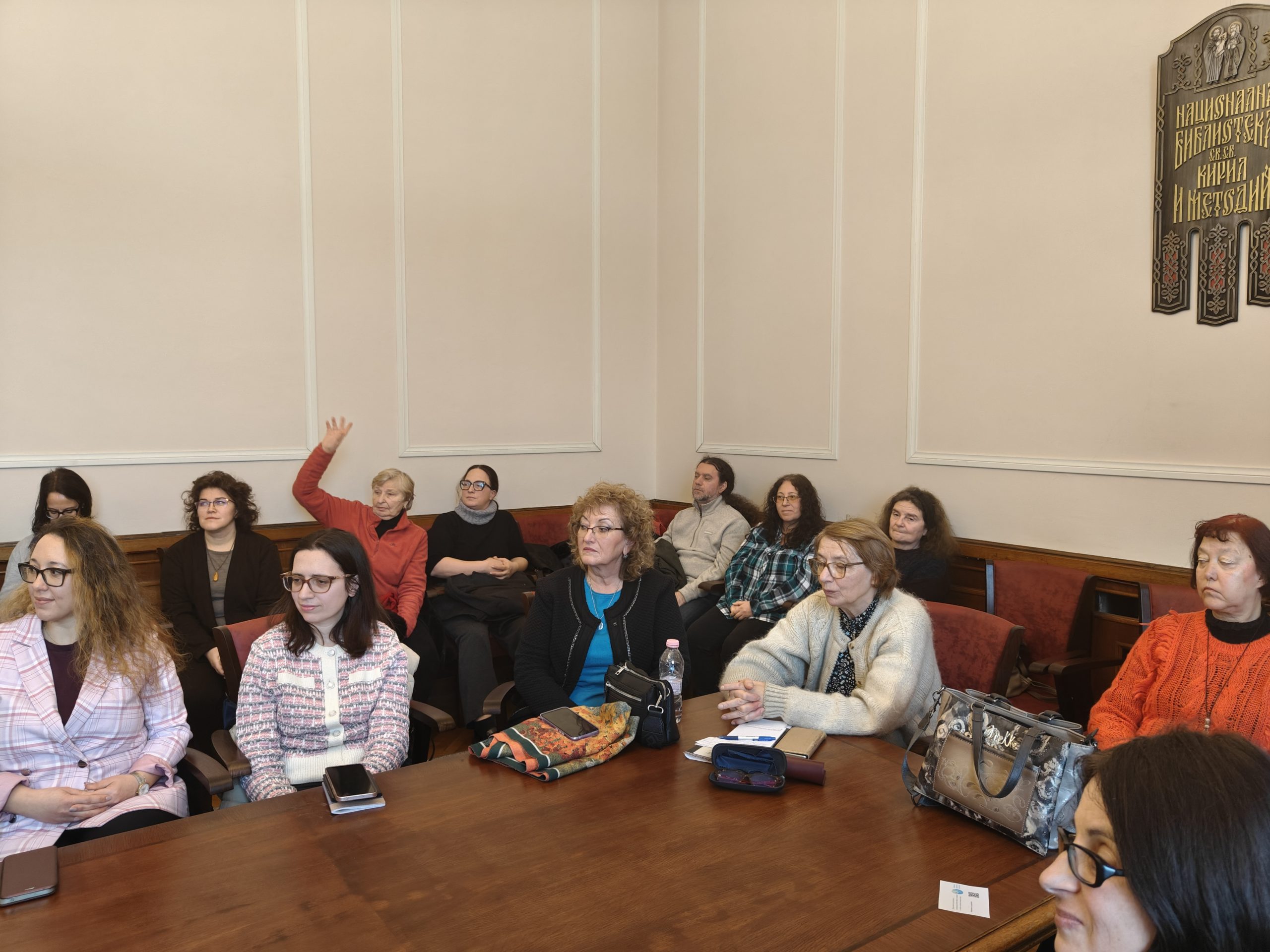
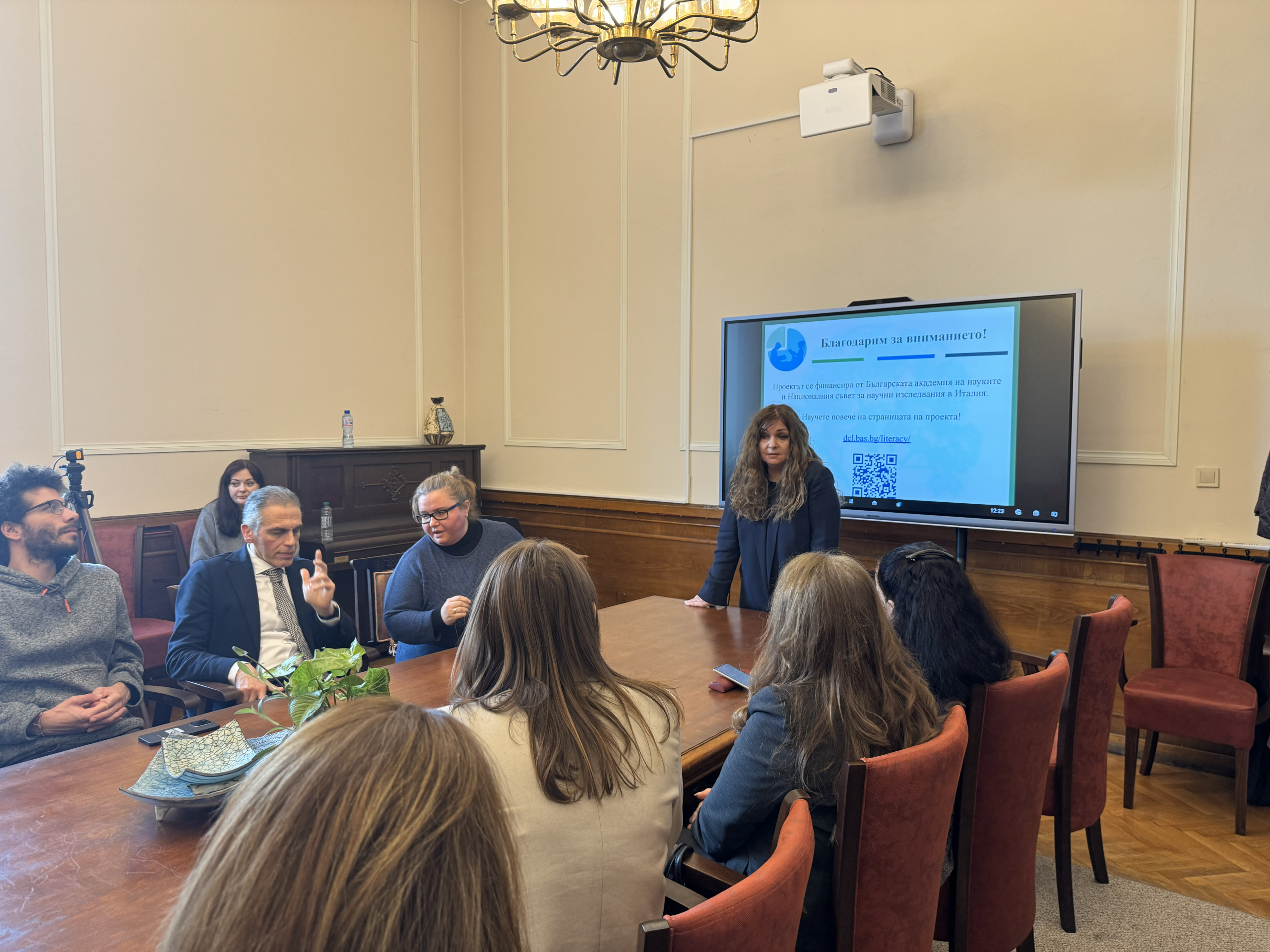
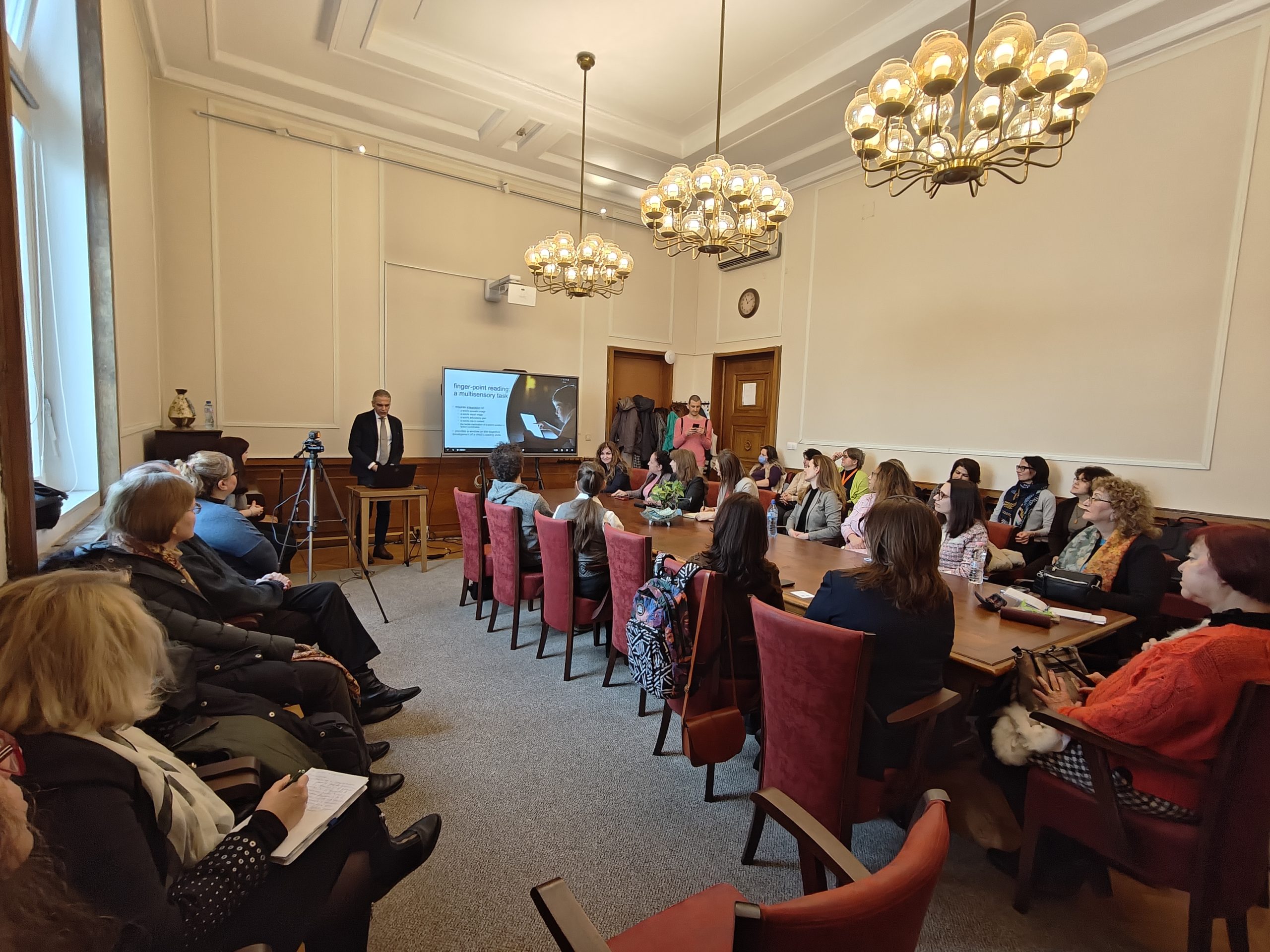
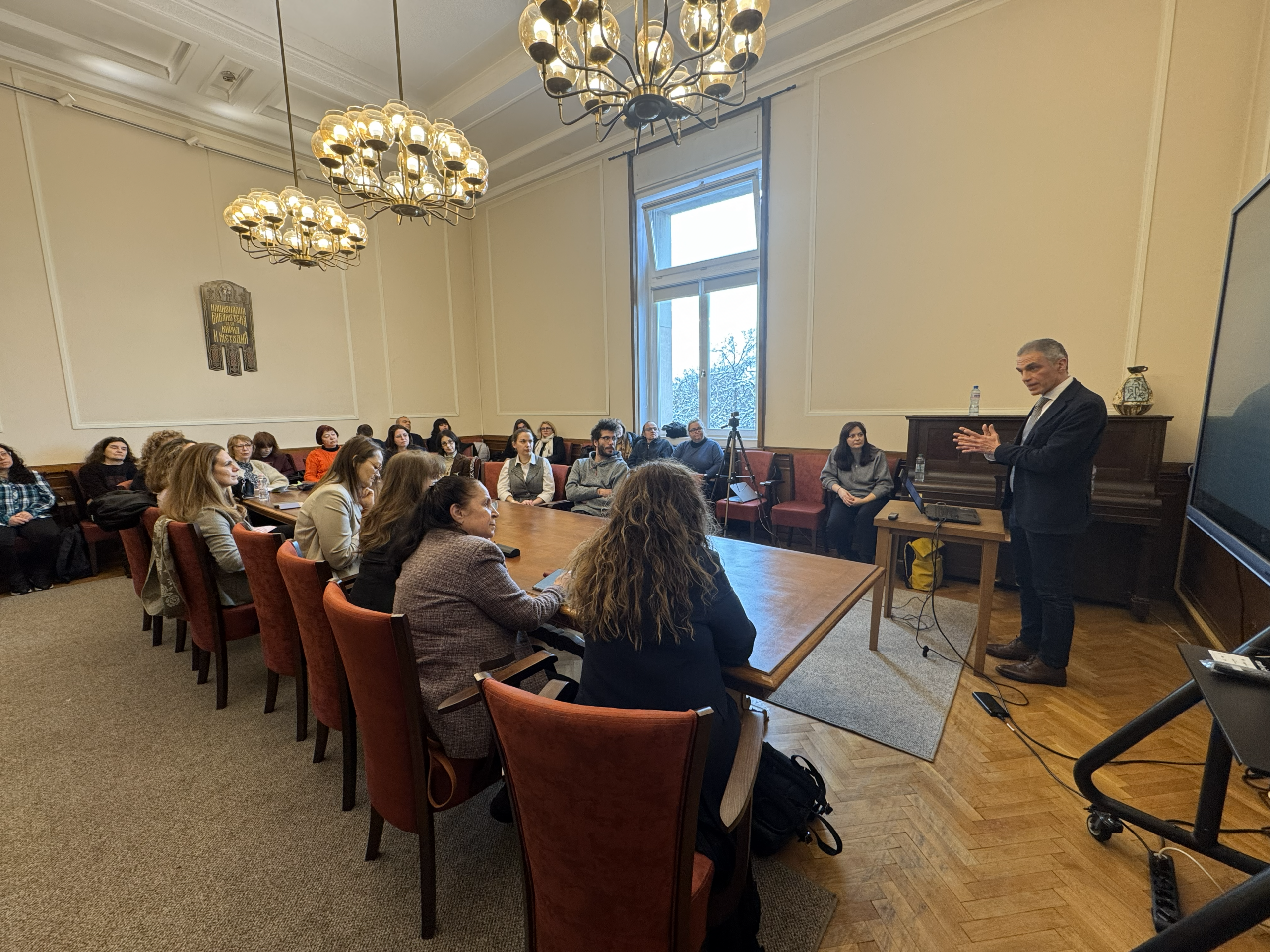
The Institute for Bulgarian Language “Prof. Lyubomir Andreychin” at the Bulgarian Academy of Sciences presented the results of the international research project “Assessing Reading Literacy and Comprehension of Early Graders in Bulgaria and Italy”. The event took place on 3 February 2026 at 11:00 a.m. in Todor Borov Hall of the St. Cyril and Methodius National Library and was open to representatives of the academic community, educational institutions, and the media.
The project is carried out within the framework of cooperation between the Bulgarian Academy of Sciences and the Italian National Research Council (CNR) and is funded by both institutions. The research teams are led by Prof. Dr Svetla Koeva (Bulgaria) and Prof. Vito Pirrelli (Italy). The main objective of the project is to investigate reading literacy and comprehension among early graders through an in-depth examination of the processes involved in the perception and understanding of written texts, as well as through a comparative analysis of the Bulgarian and Italian educational systems.
The Bulgarian research team includes Dr Ivelina Stoyanova, Assist. Prof. Dr Valentina Stefanova, Assoc. Prof. Dr Tsvetana Dimitrova, Assist. Prof. Dr Maria Todorova, and Assist. Prof. Dr Hristina Kukova. The Italian team consists of Claudia Marzi, Marcello Ferro, Andrea Nadalini, and doctoral researcher Alessandro Lento. The project is being carried out in close cooperation with 21st Secondary School “Hristo Botev”, Sofia, which provides an authentic educational environment for the application of the multimodal research methods developed within the project.
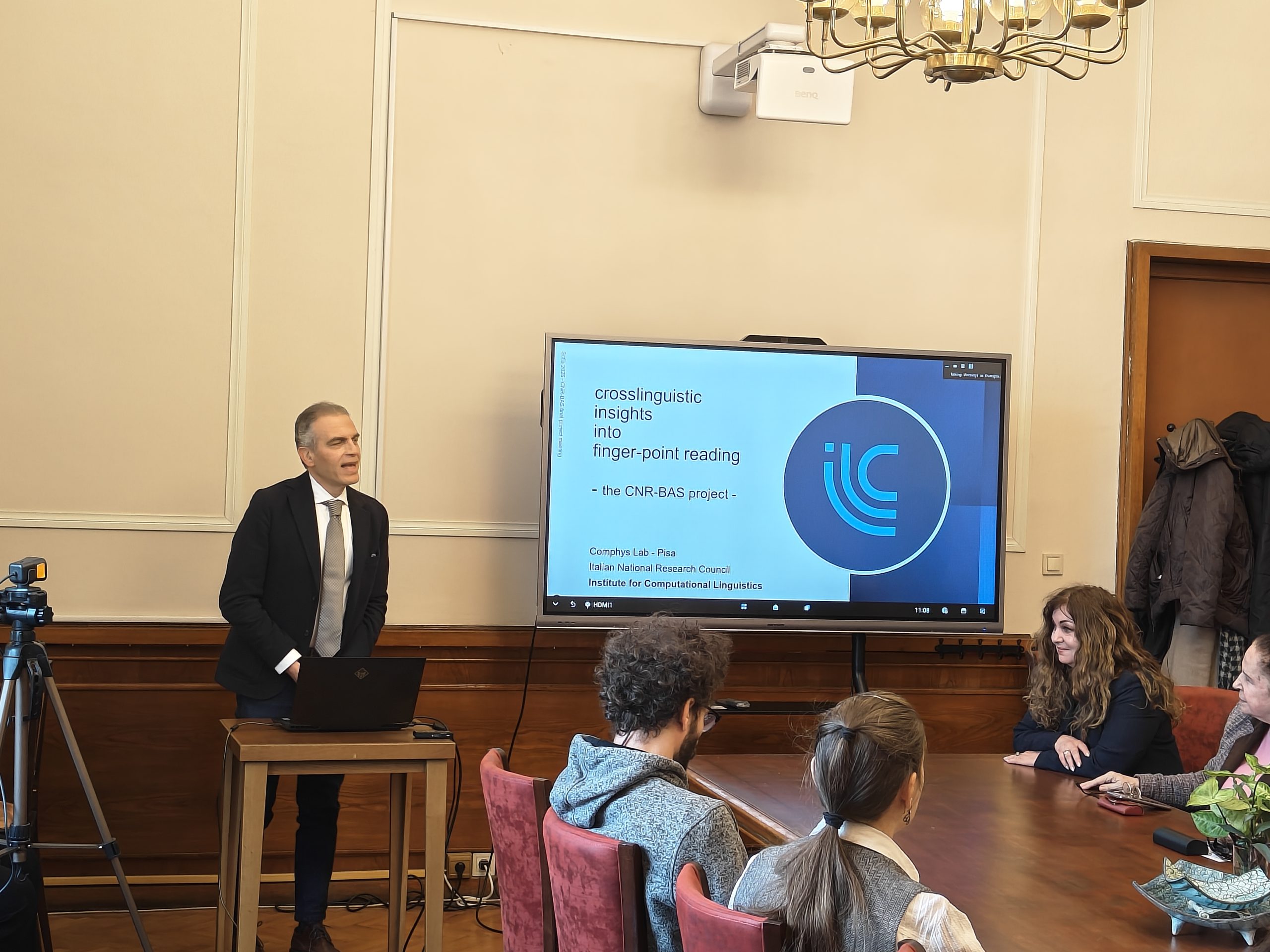
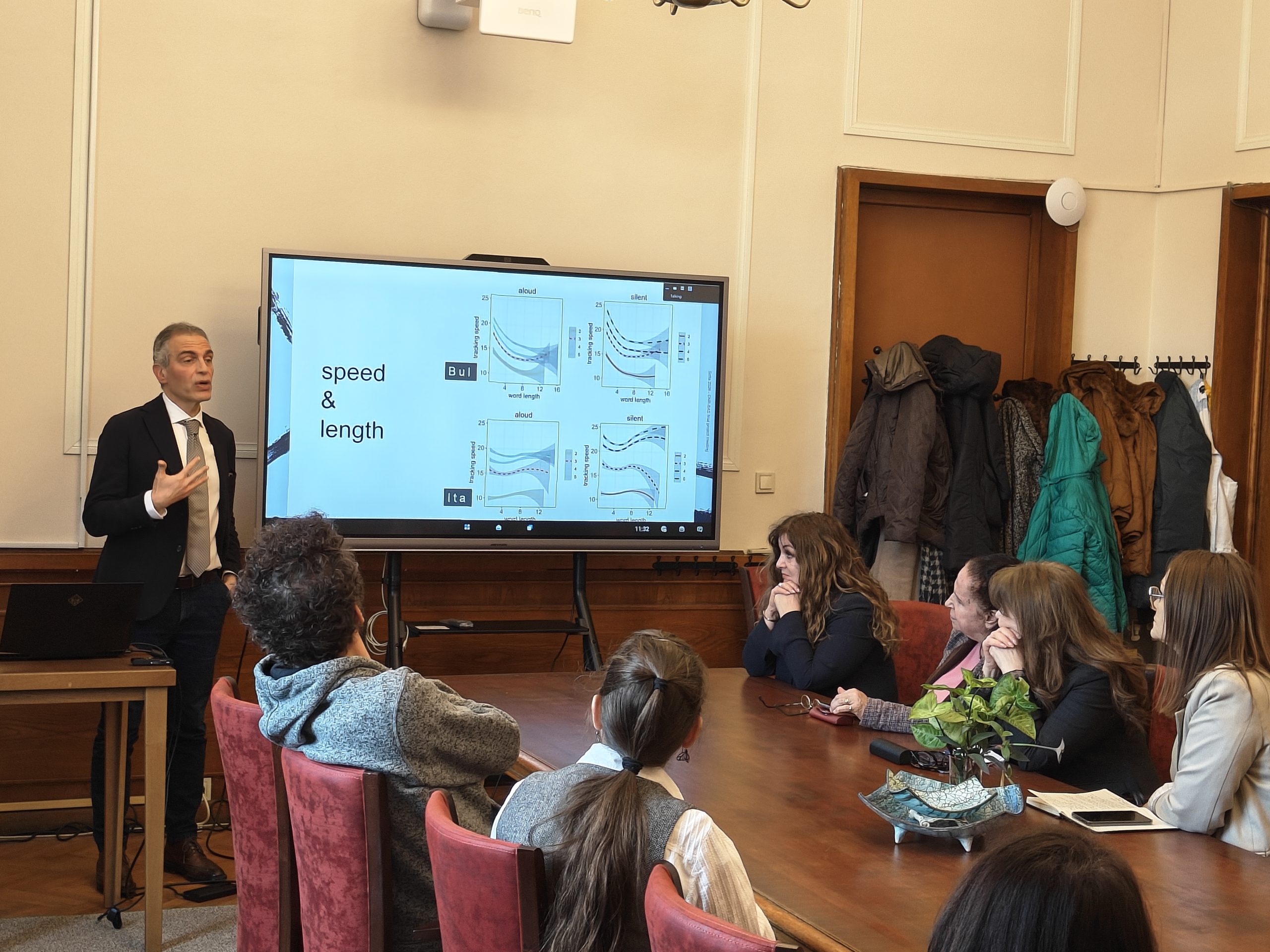
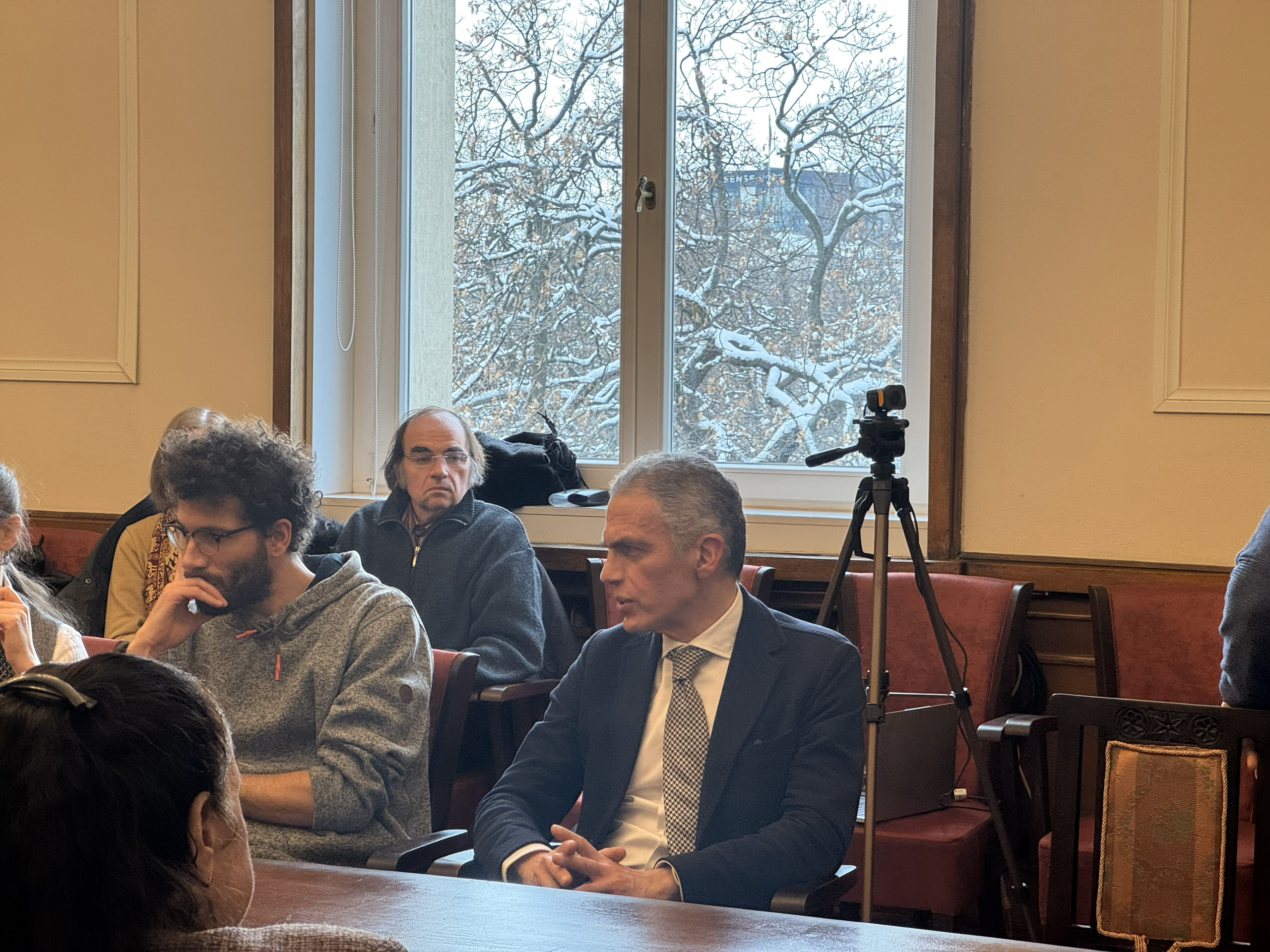
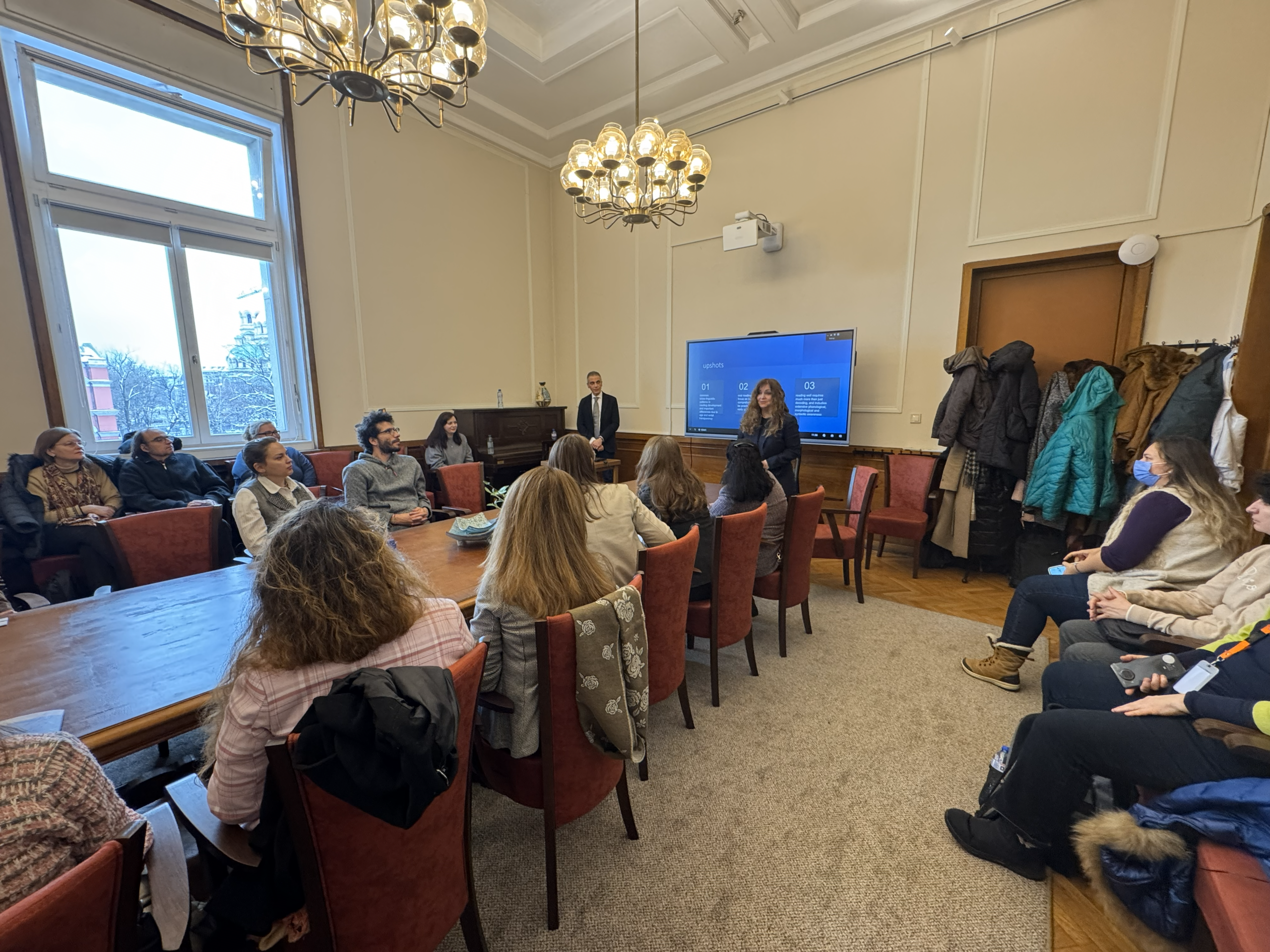
The event was opened by Prof. Dr Svetla Koeva, who presented the overall framework of the project and emphasised the significance of the results obtained through the use of contemporary methods from computational linguistics and multimodal data analysis. Prof. Vito Pirrelli outlined the research infrastructure established within the project and the data collection process, highlighting the contribution of the findings to improving the effectiveness of reading instruction.
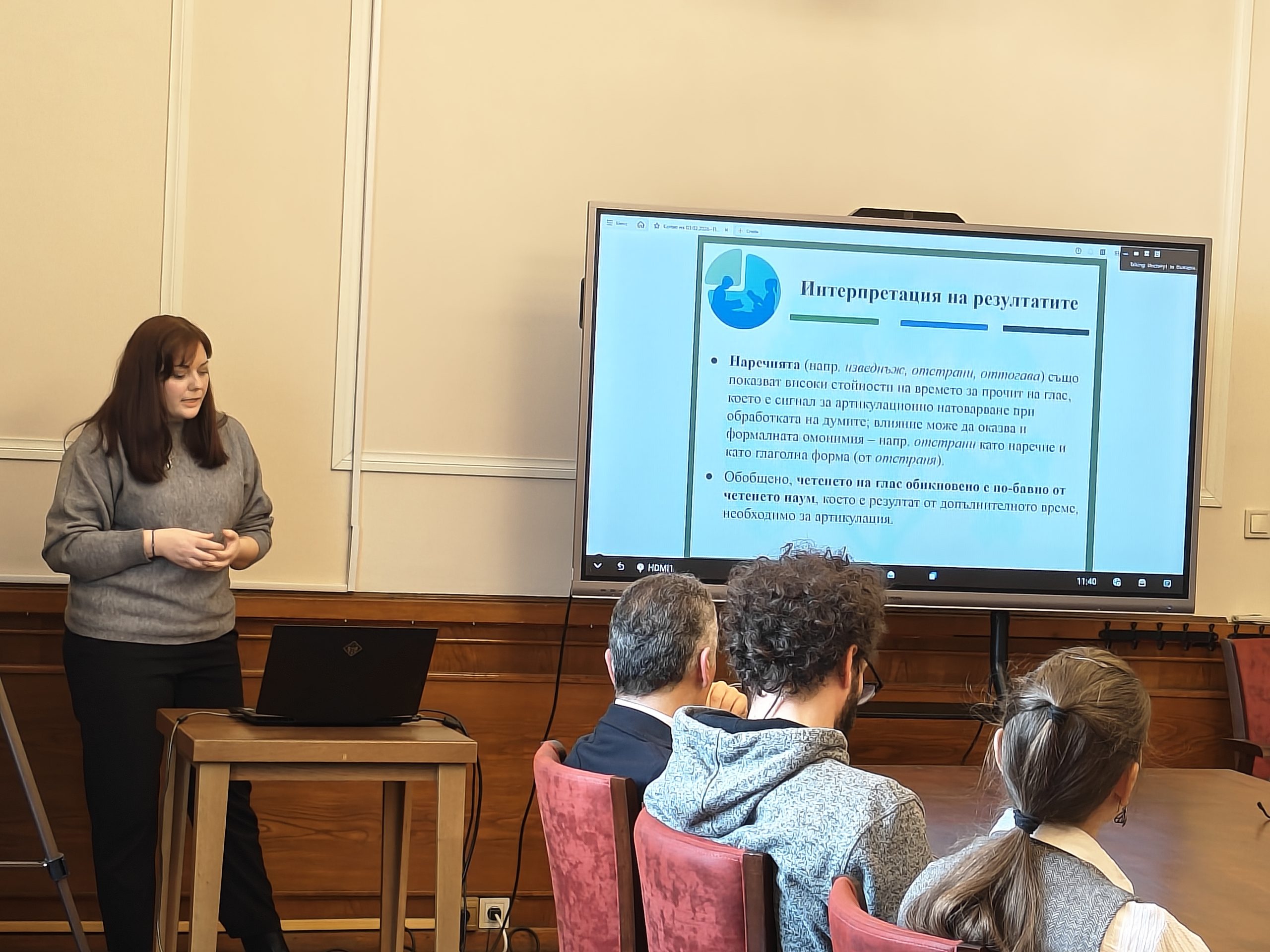
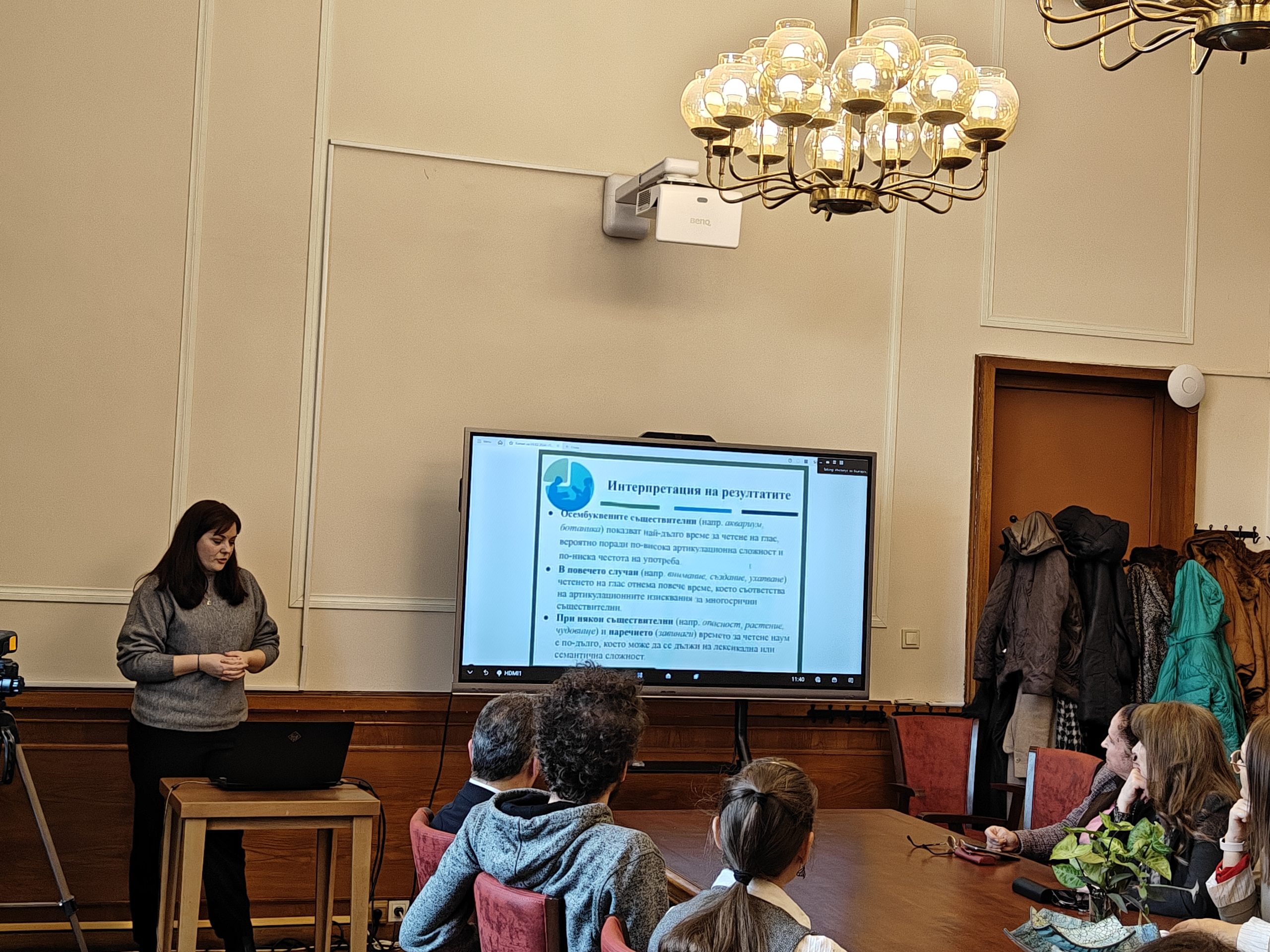
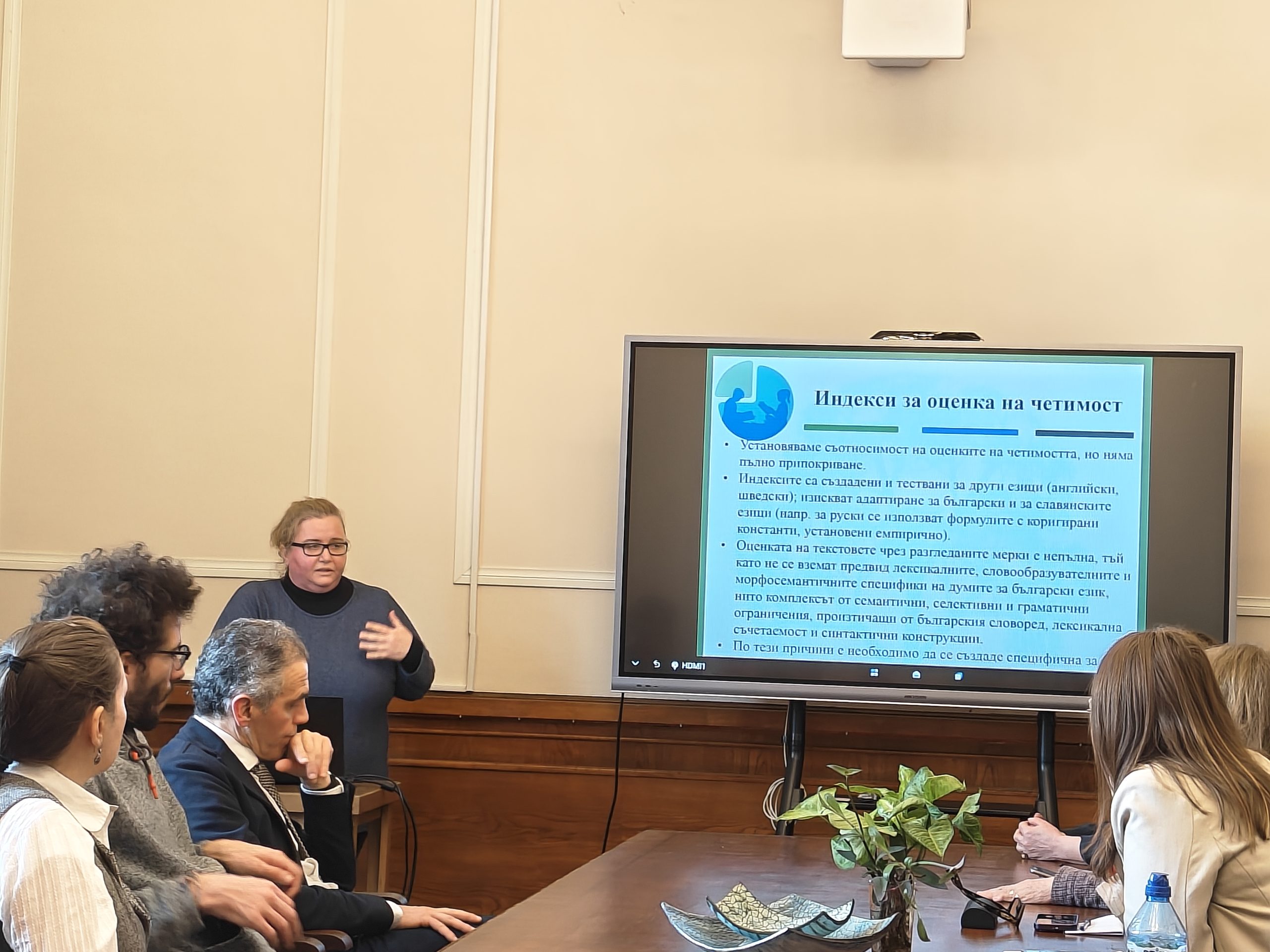
Assist. Prof. Dr Valentina Stefanova presented an analysis and interpretation of the results of an empirical study conducted with pupils from Grades 2 to 5 at 21st Secondary School “Hristo Botev”, focusing on the relationships identified between reading speed, reading accuracy, and reading comprehension, as well as on recommendations for best practices in primary reading instruction. In her presentation, Dr Ivelina Stoyanova demonstrated linguistic modelling of lexical, morphosyntactic, and syntactic features that can be used for the automatic assessment of text complexity according to the age group for which a text is intended.
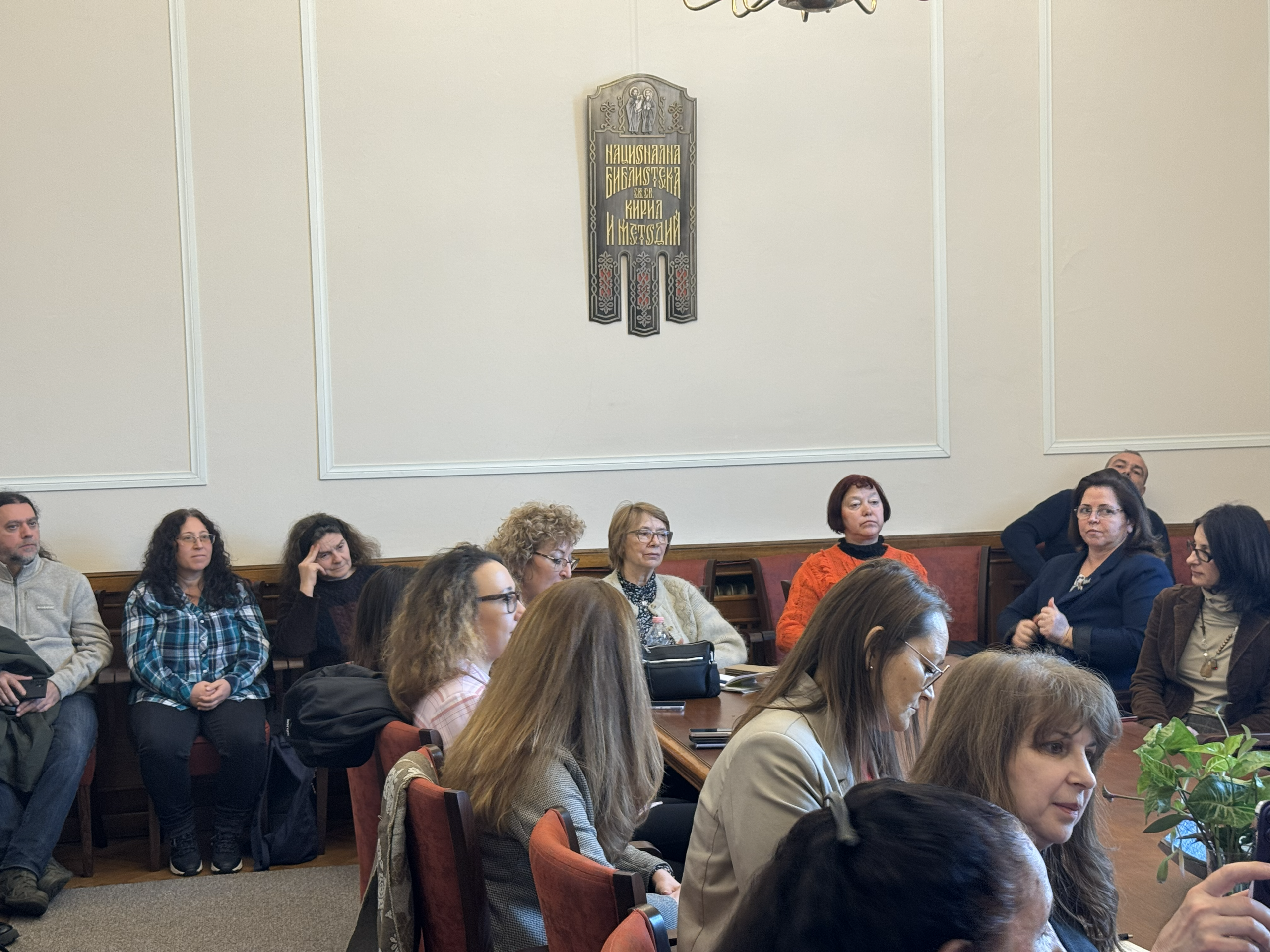
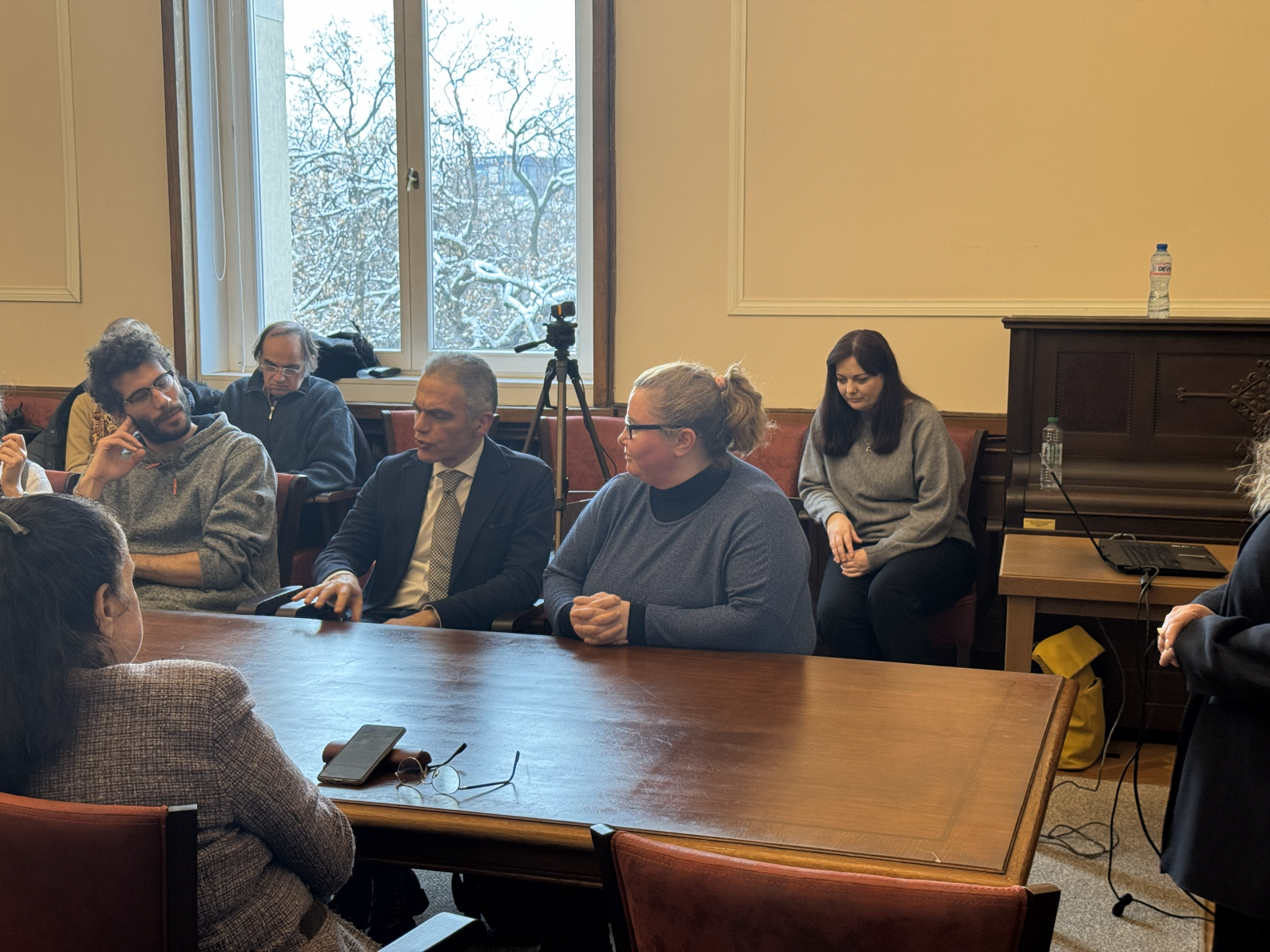
The event was attended by representatives of the Ministry of Education and Science, lecturers from Sofia University “St. Kliment Ohridski”, researchers from the Institute for Bulgarian Language “Prof. Lyubomir Andreychin”, the GATE Institute at Sofia University, the GIS Transfer Center Foundation, representatives of Klett Bulgaria and Az-buki Publishing House, as well as journalists from various media outlets. During the discussion that followed, representatives of academia, educational institutions, and the publishing sector highlighted the significance of the project for the development of evidence-based approaches to reading instruction.
The research demonstrates the applicability of contemporary methods for analysing multimodal data, including text, audio, and tactile data, in developing scientifically grounded solutions that can be used for comparisons across individual development, age groups, schools, localities, and educational systems in different countries.
Main topics
1. Crosslinguistic insights into finger-point Reading (CNR-BAS project)
2. Recommendations for optimising reading instruction practices
Gallery