Bulgarian Revolutionaries and Intellectuals on the April Uprising
1 – 31 July 2026
At the National Assembly
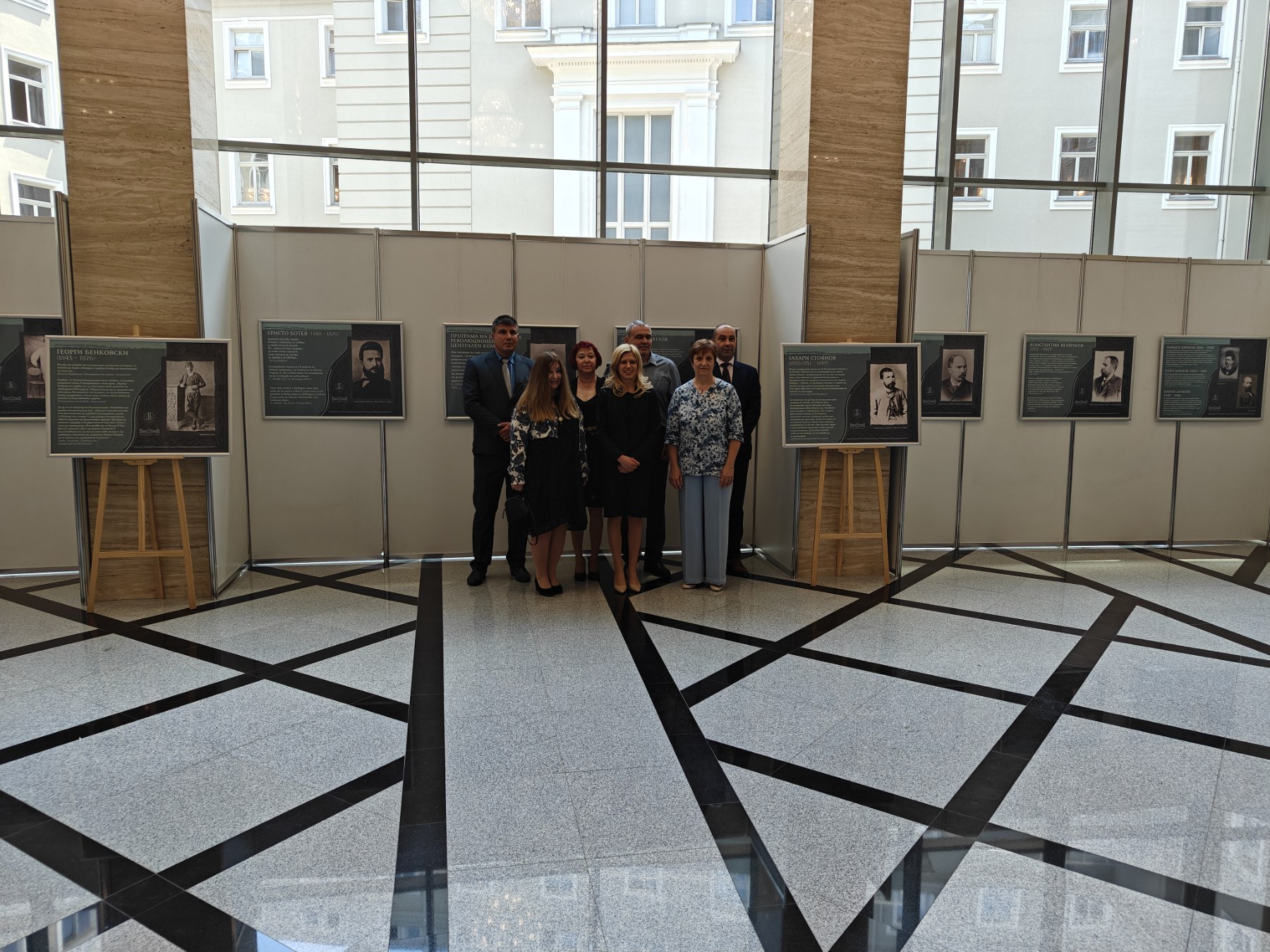
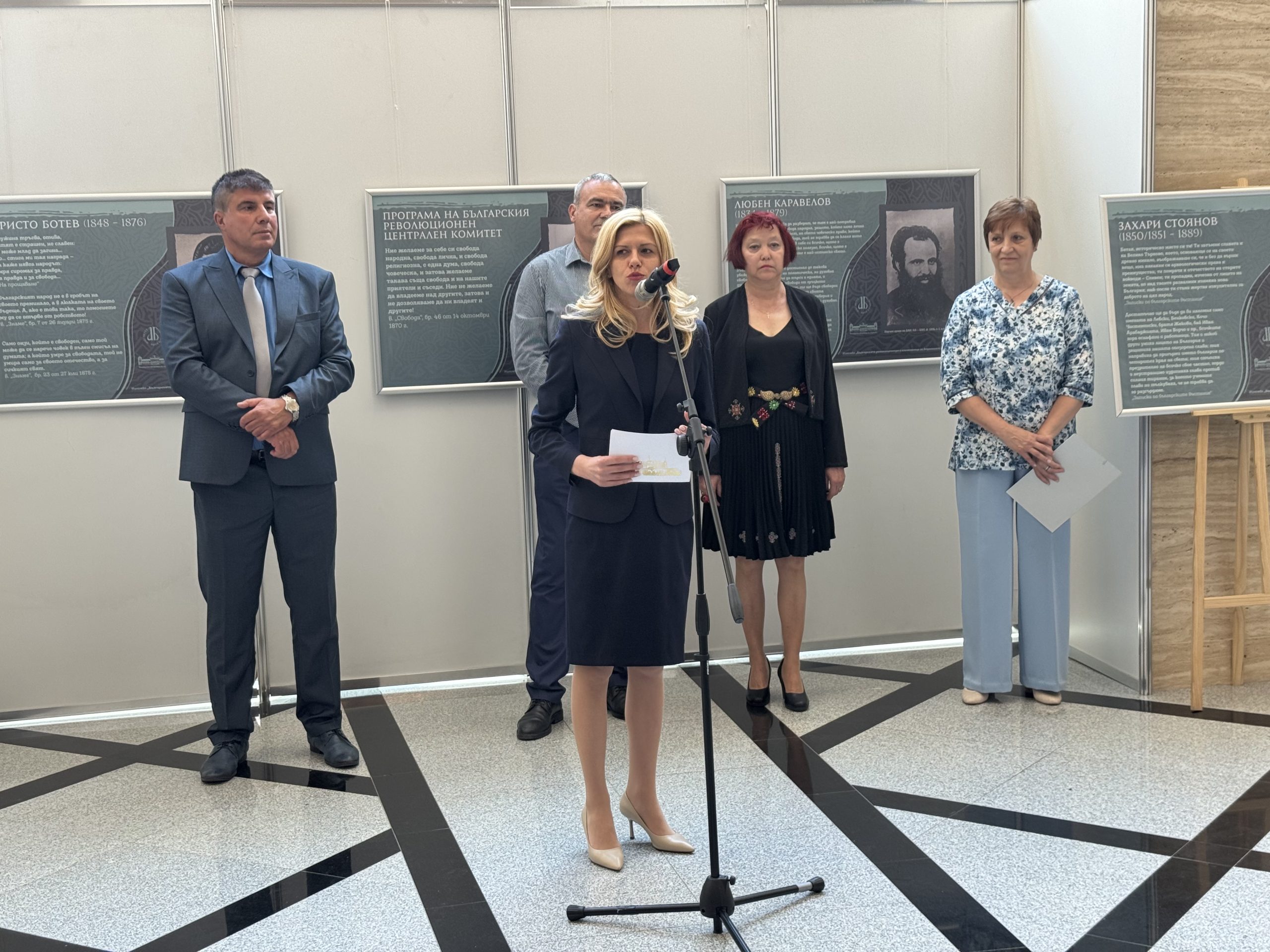
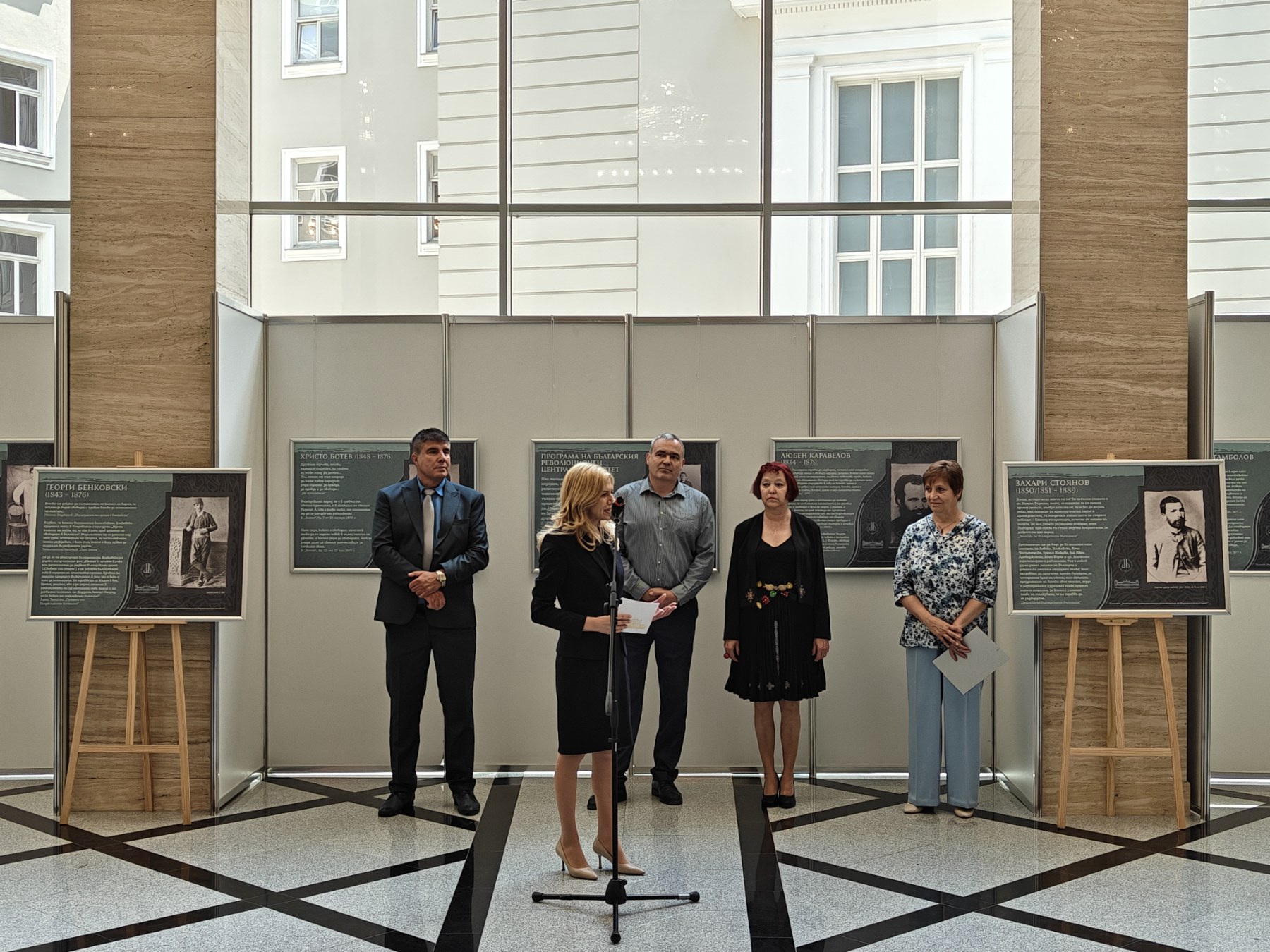
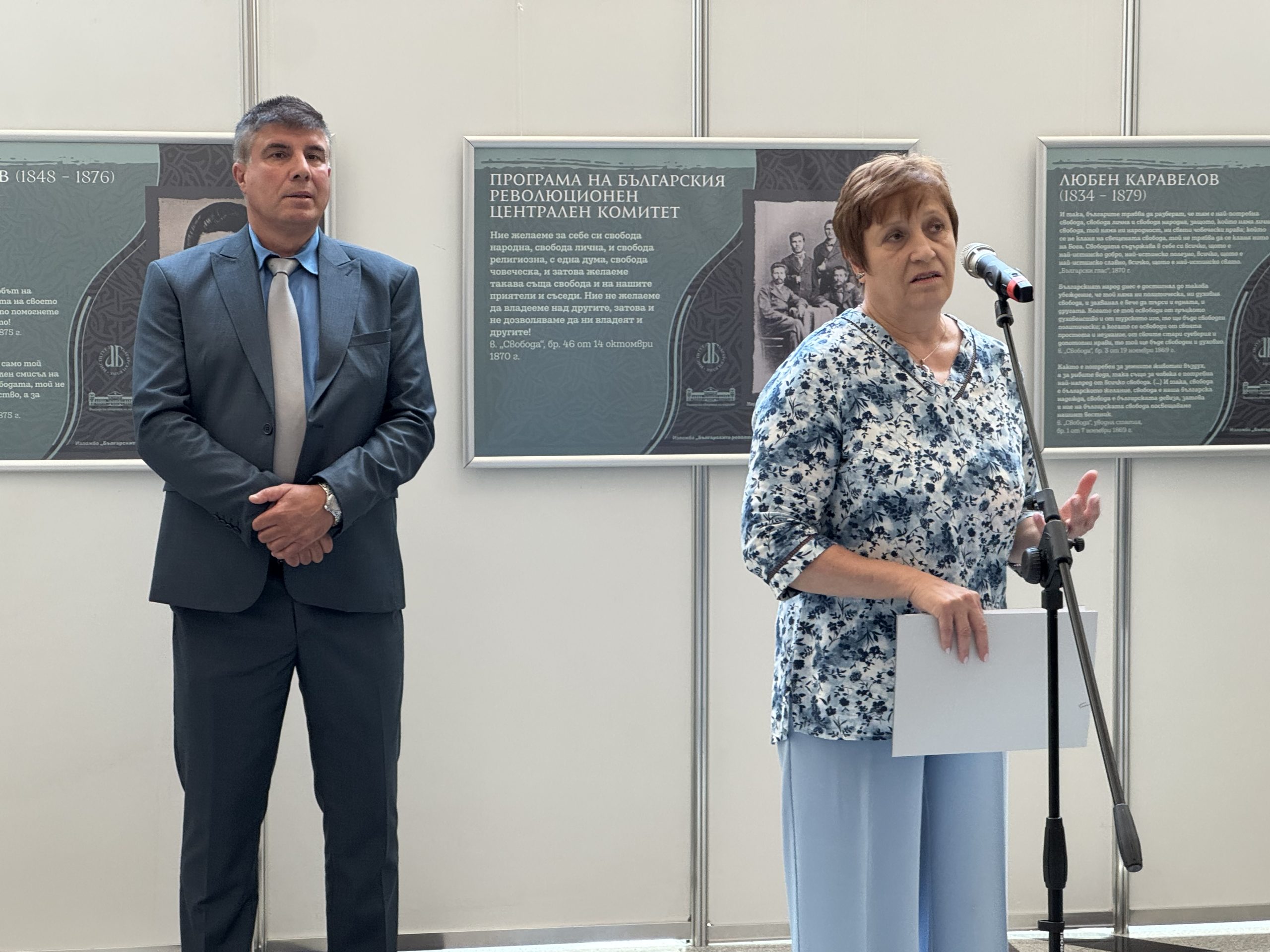
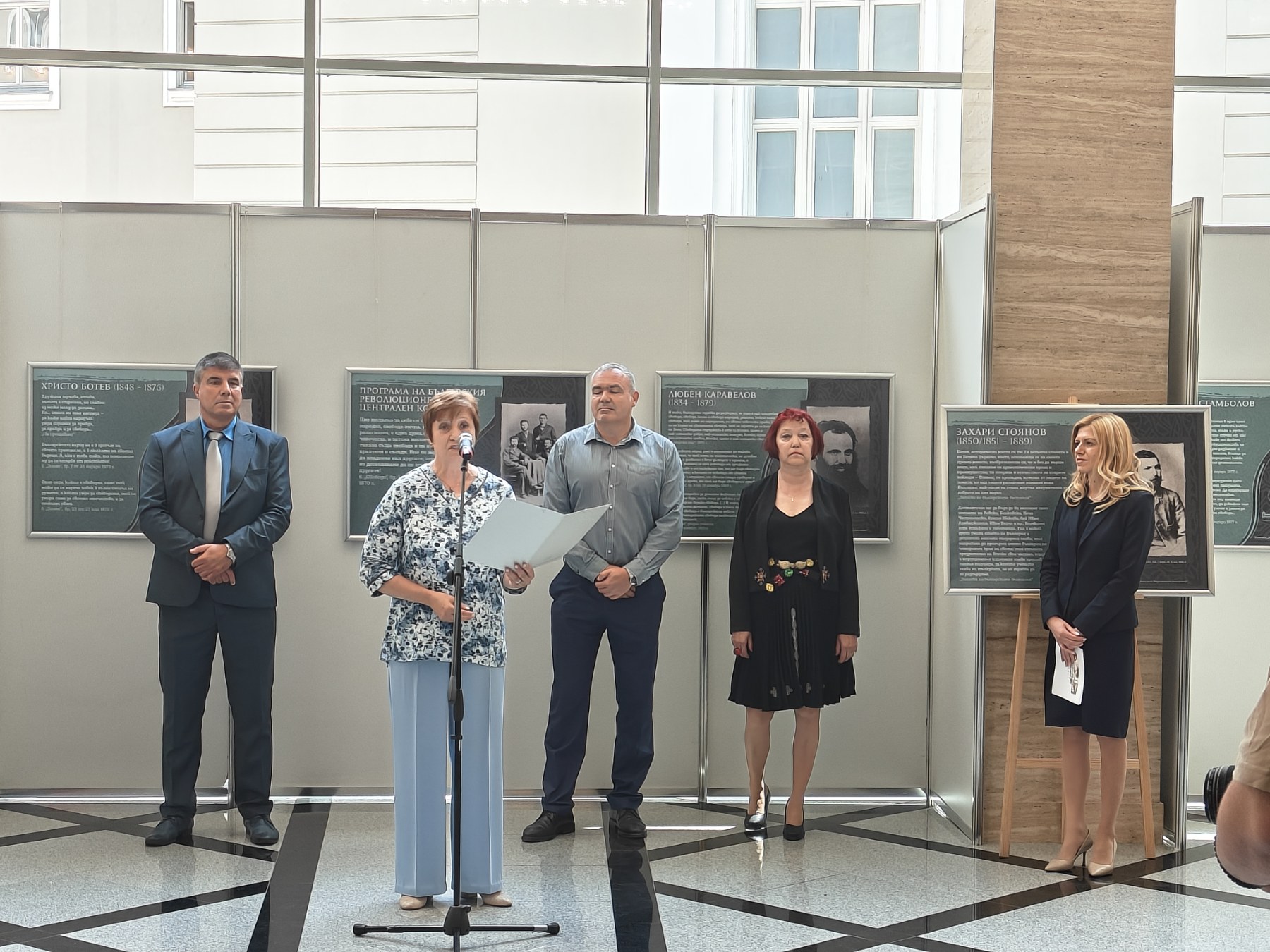
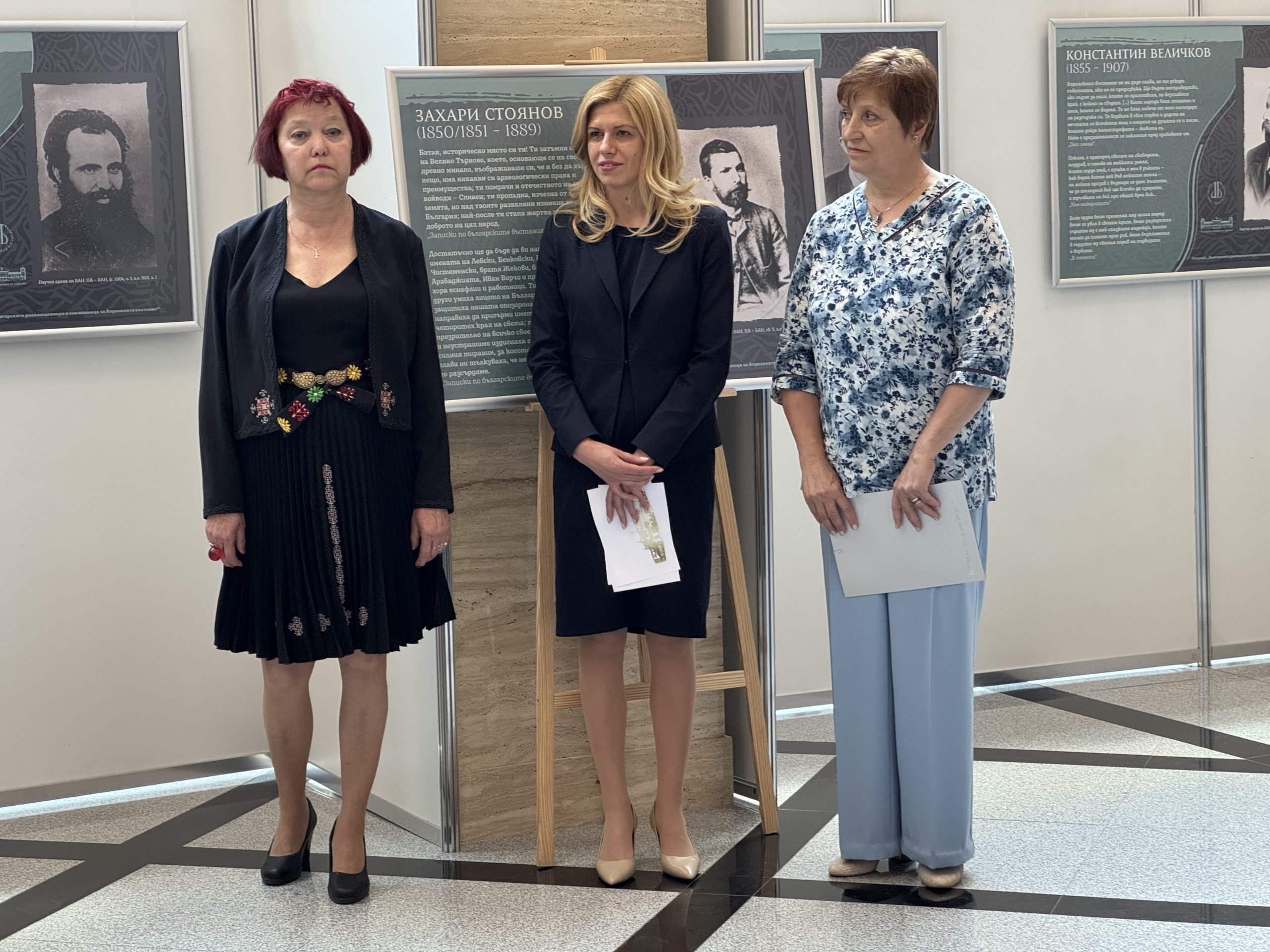
The exhibition is part of the initiatives organised by the Institute for Bulgarian Language “Prof. Lyubomir Andreychin” at the Bulgarian Academy of Sciences to mark the 150th anniversary of the April Uprising, one of the most significant events in Bulgaria’s struggle for national liberation. The exhibition sheds light on a number of prominent revolutionaries and intellectuals who participated in the preparation and implementation of the April Uprising, as well as on the ideologists and inspirers of the Bulgarian people’s struggle for freedom. These figures are presented through their own authentic words and through the recollections of their contemporaries and fellow revolutionaries. Through these vivid testimonies, present-day generations can gain a sense of the spirit of the age, the unquenchable aspiration for freedom, and the sense of duty that inspired the participants in the uprising and gave them the determination to turn words into deeds through conscious self-sacrifice.
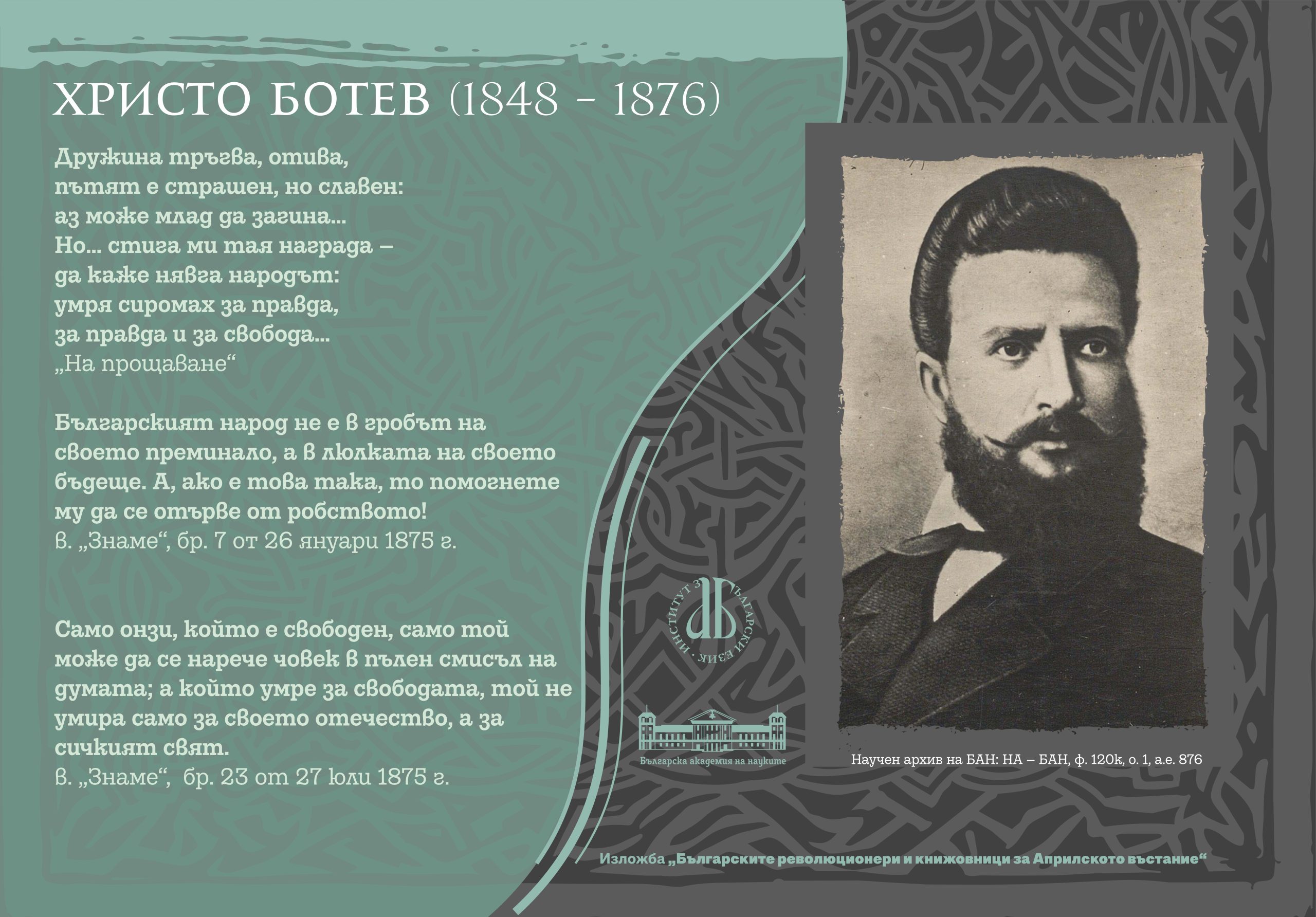
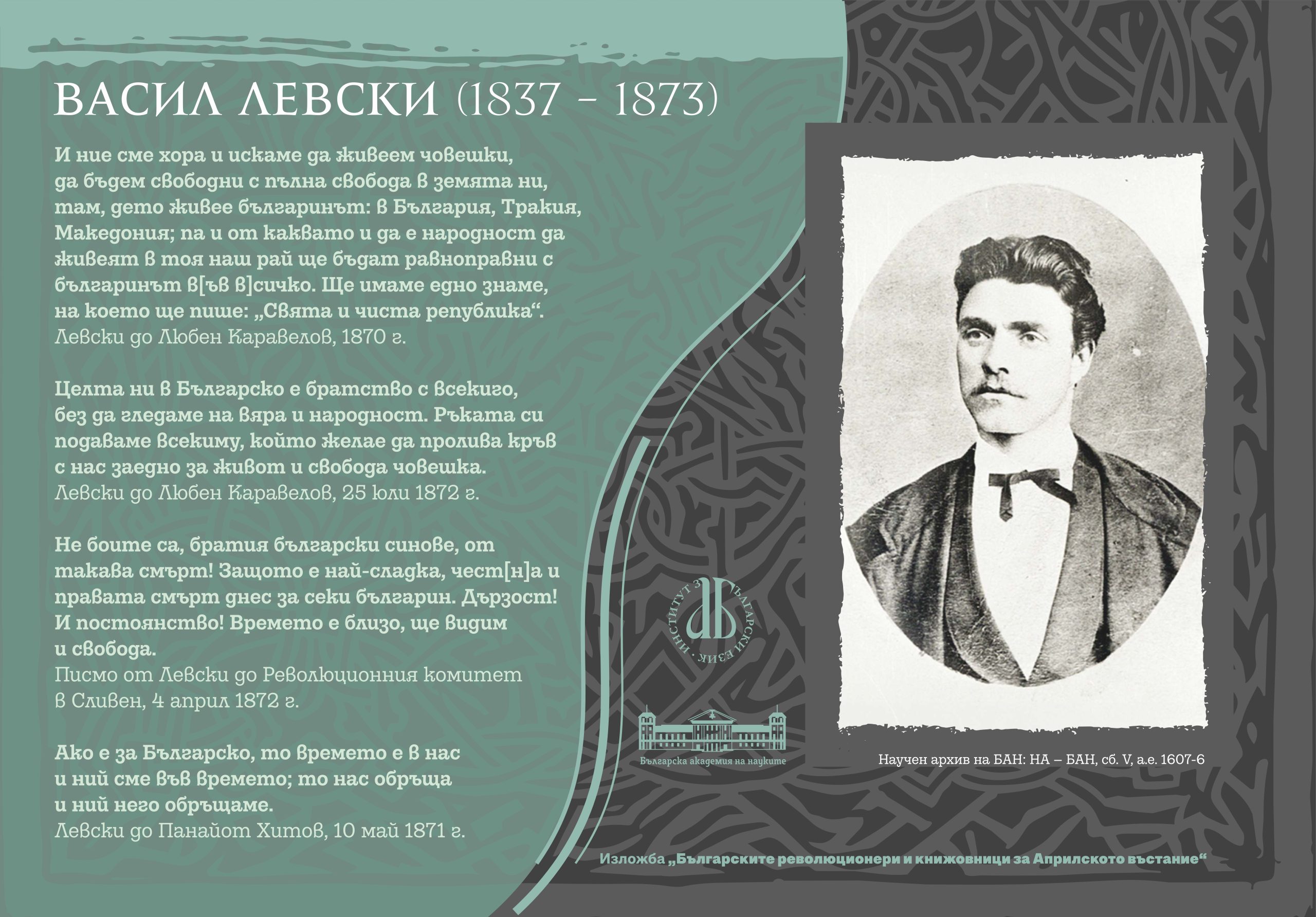
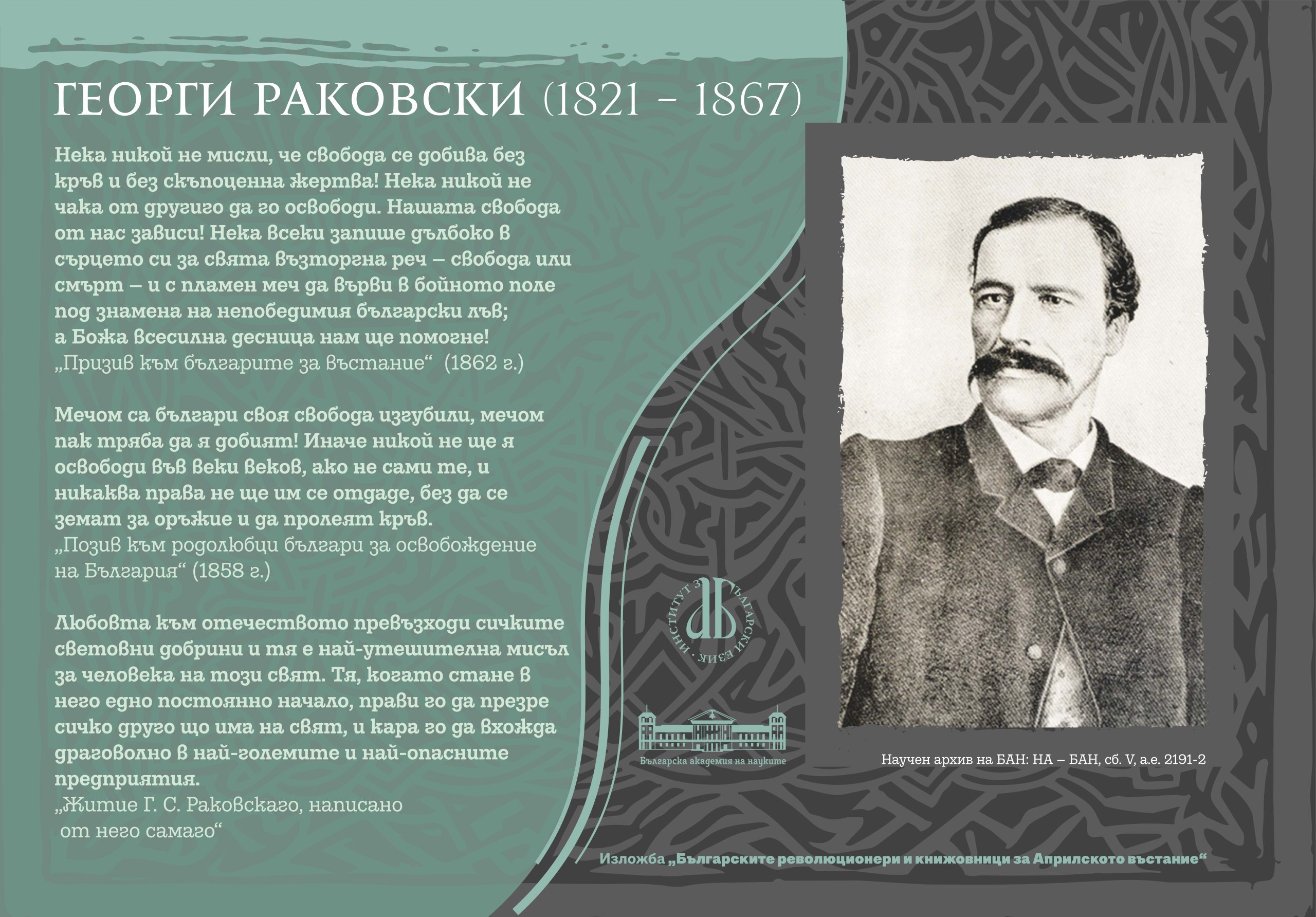
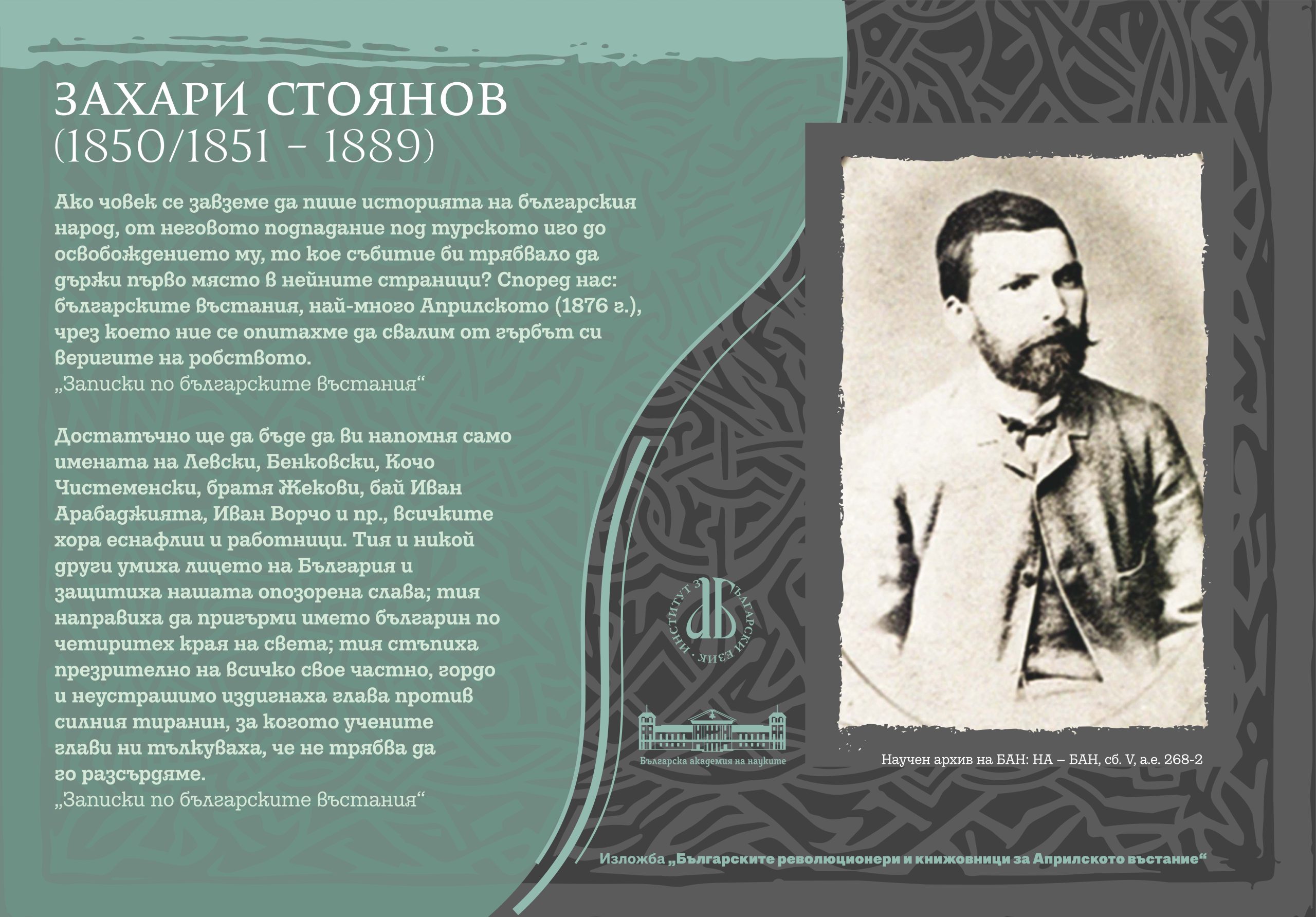
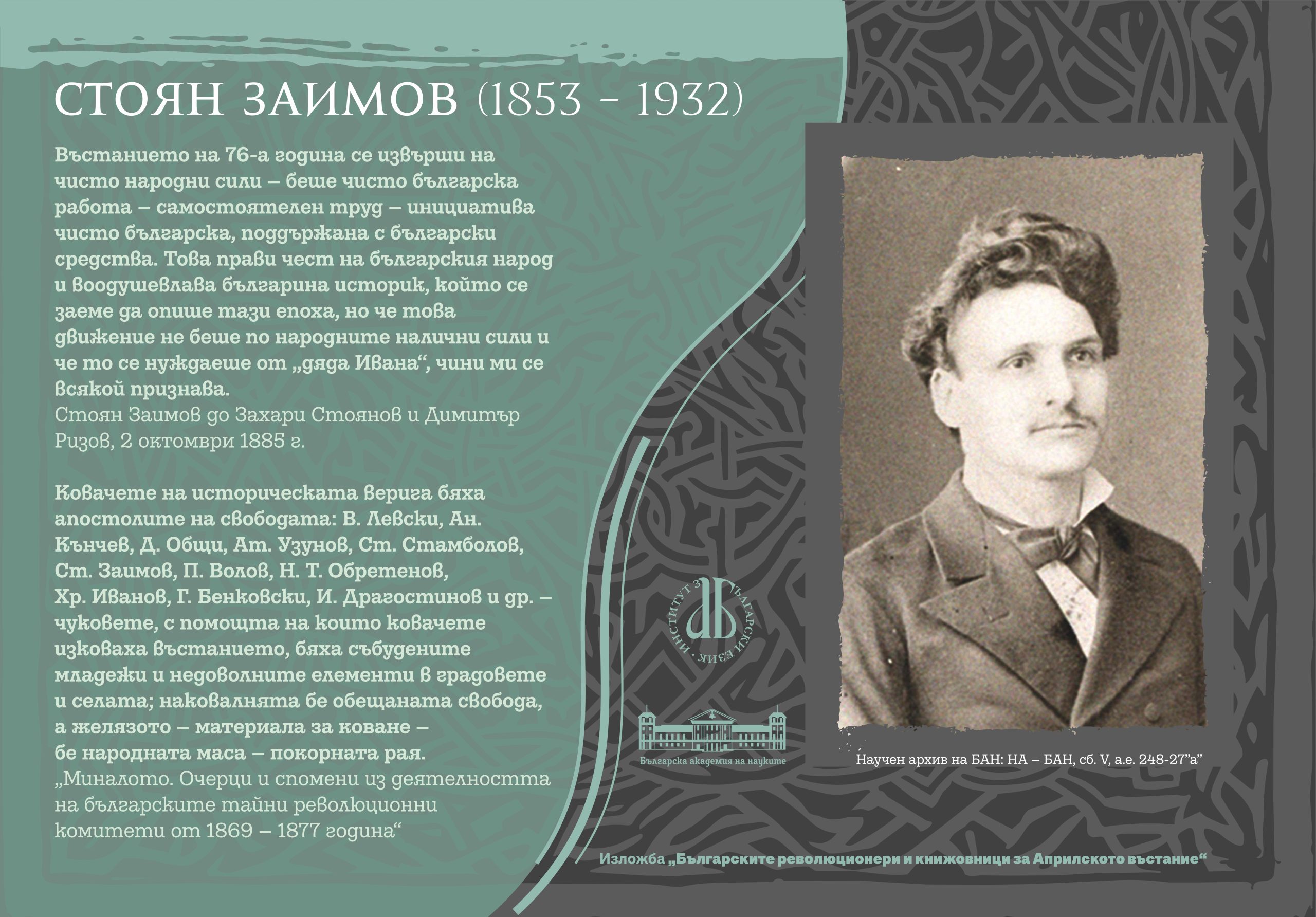
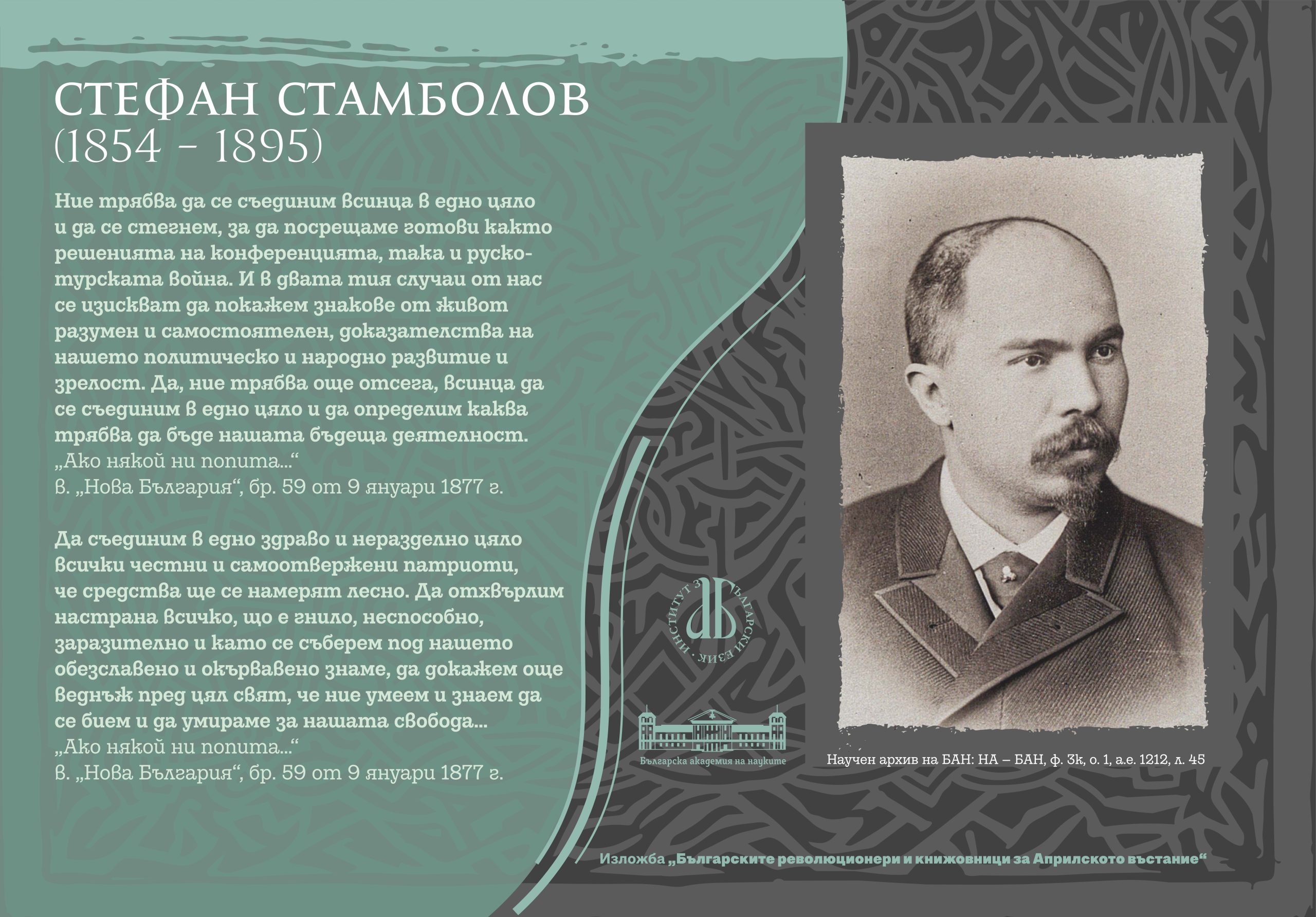
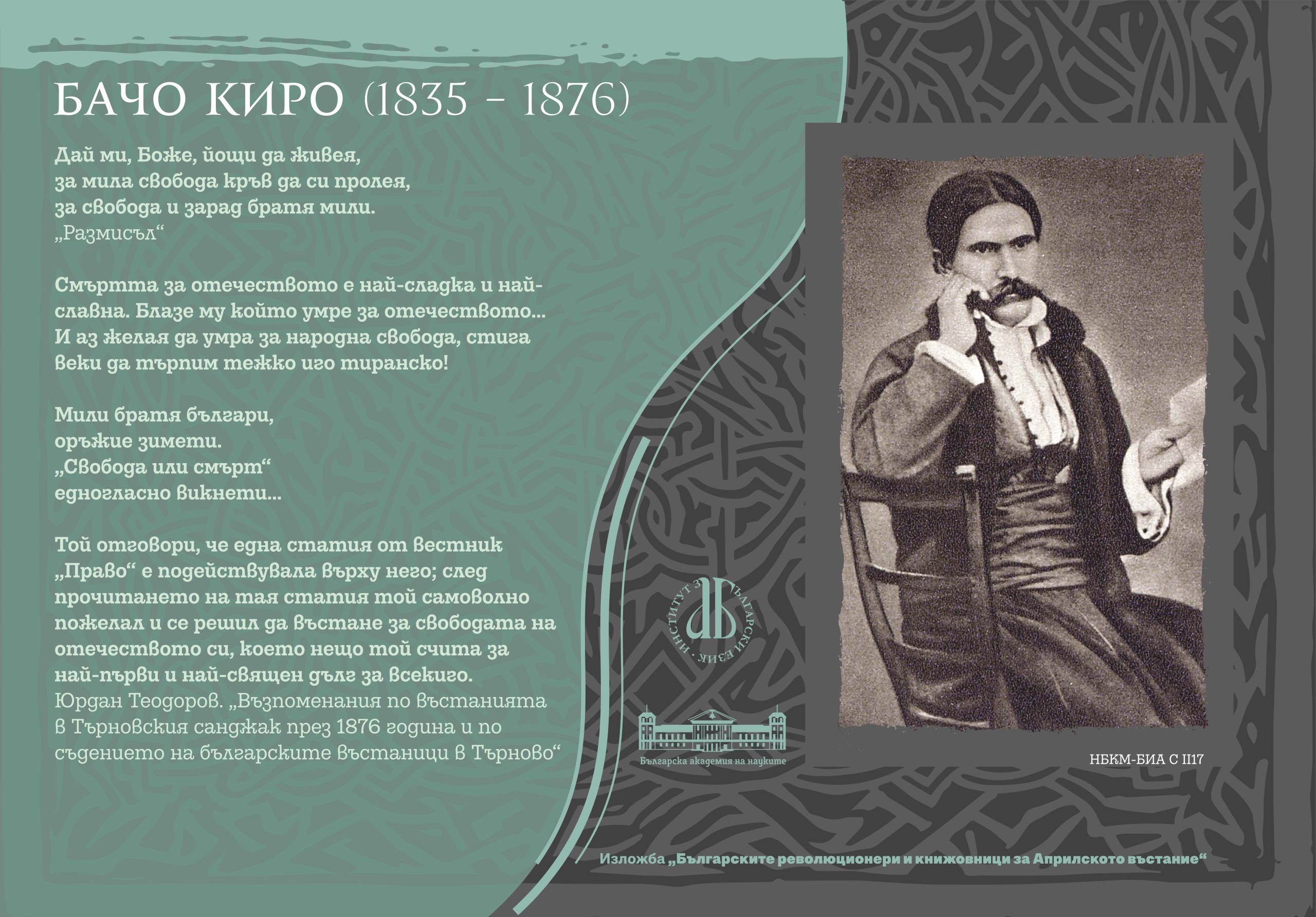
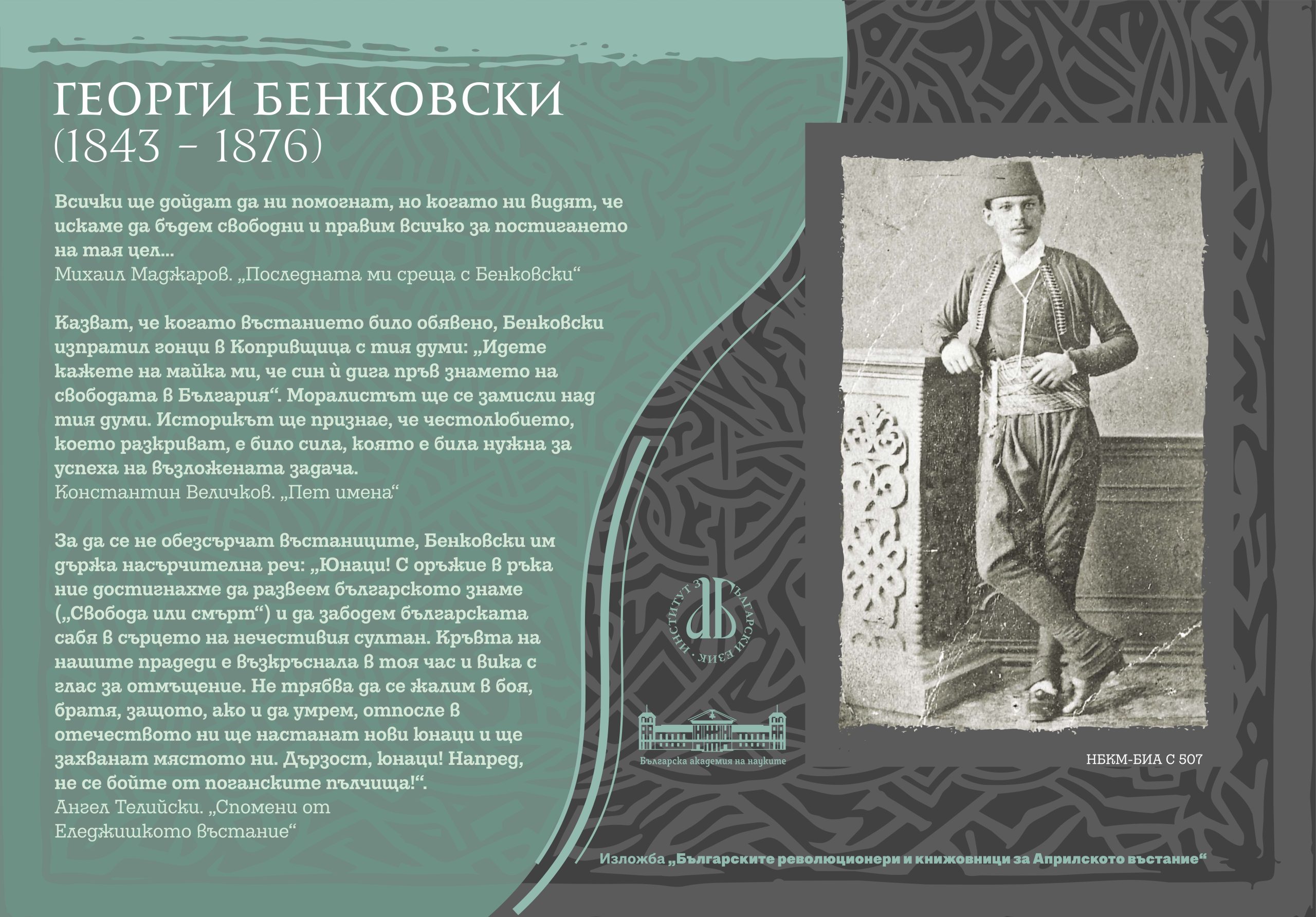
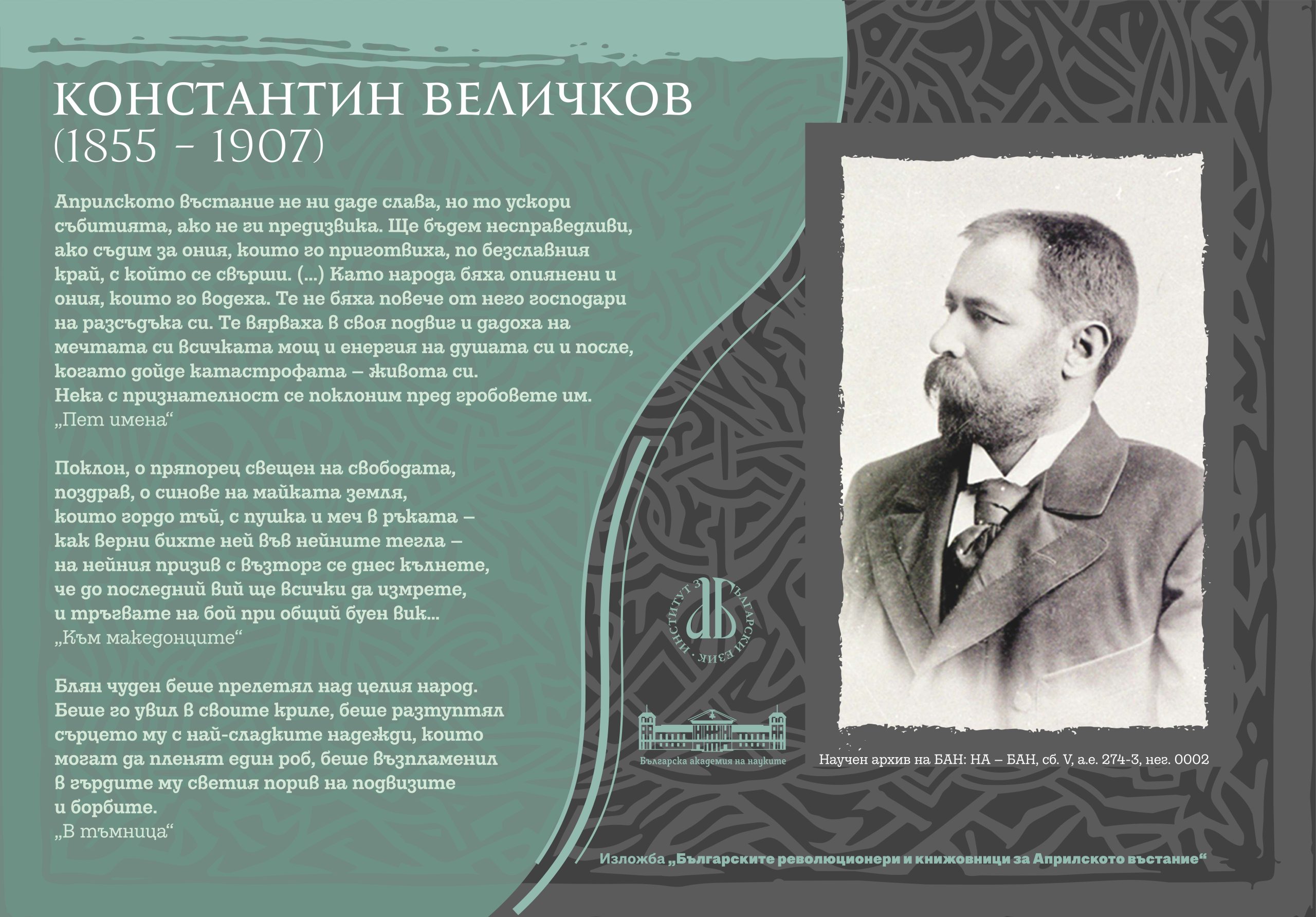
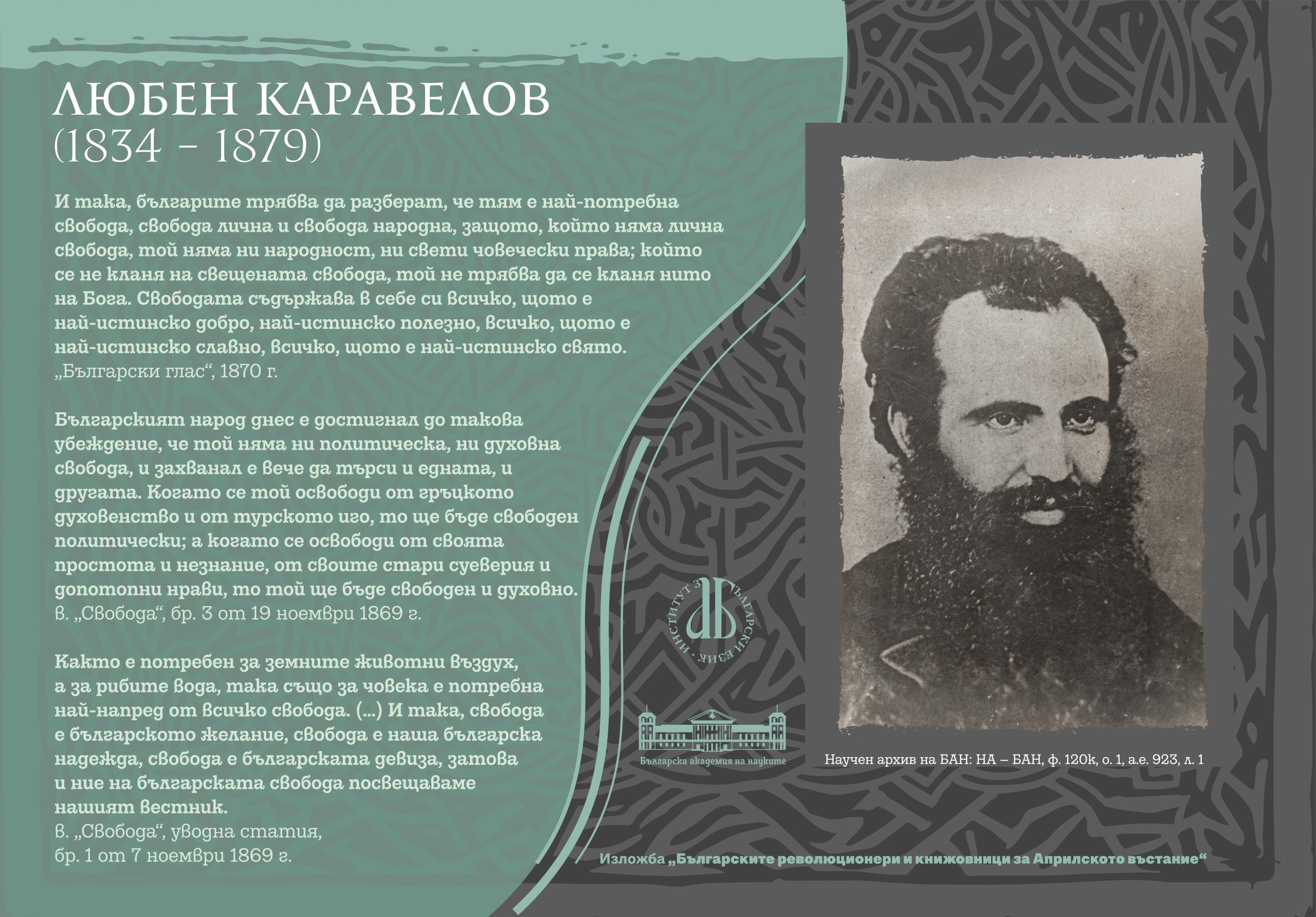
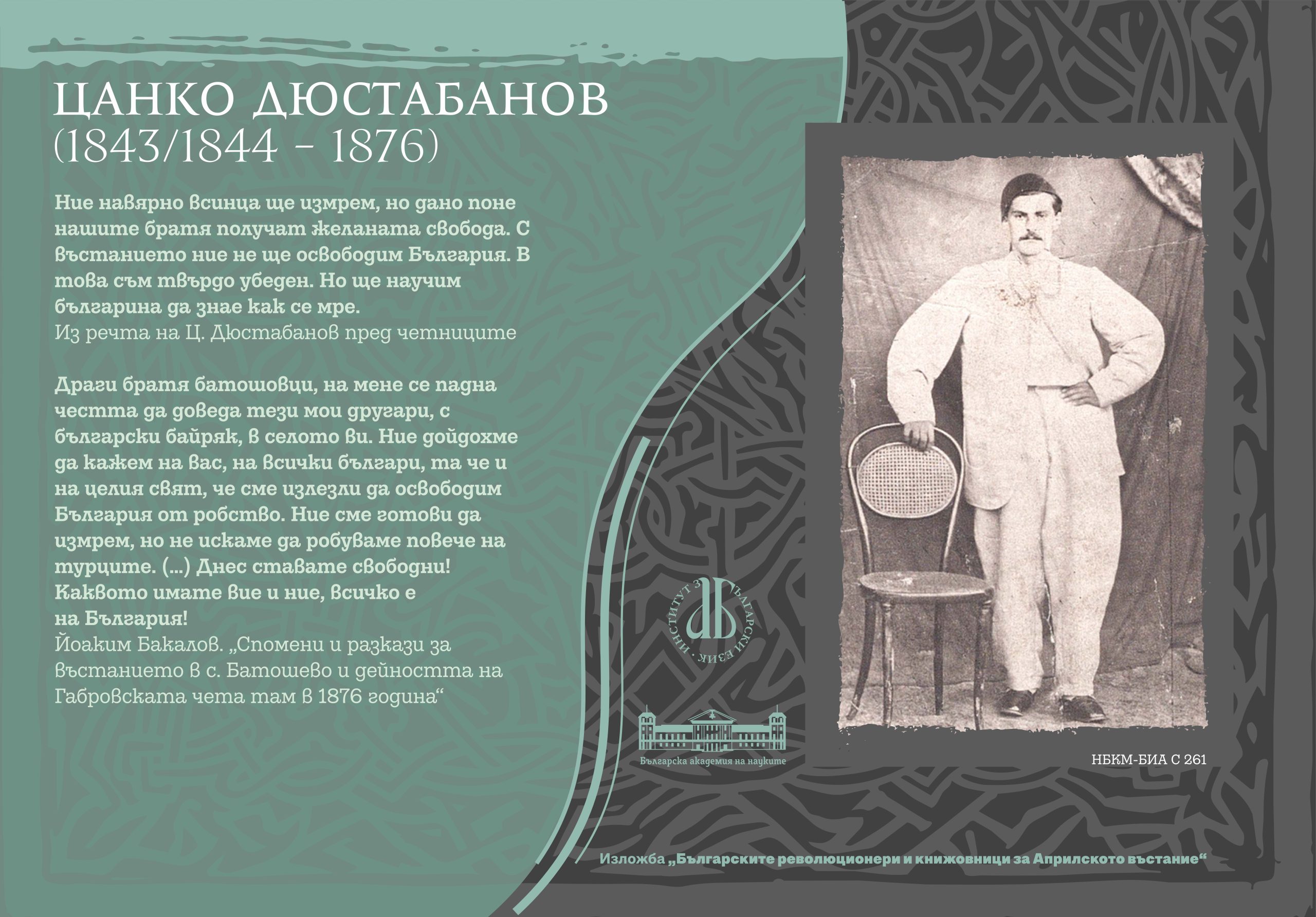
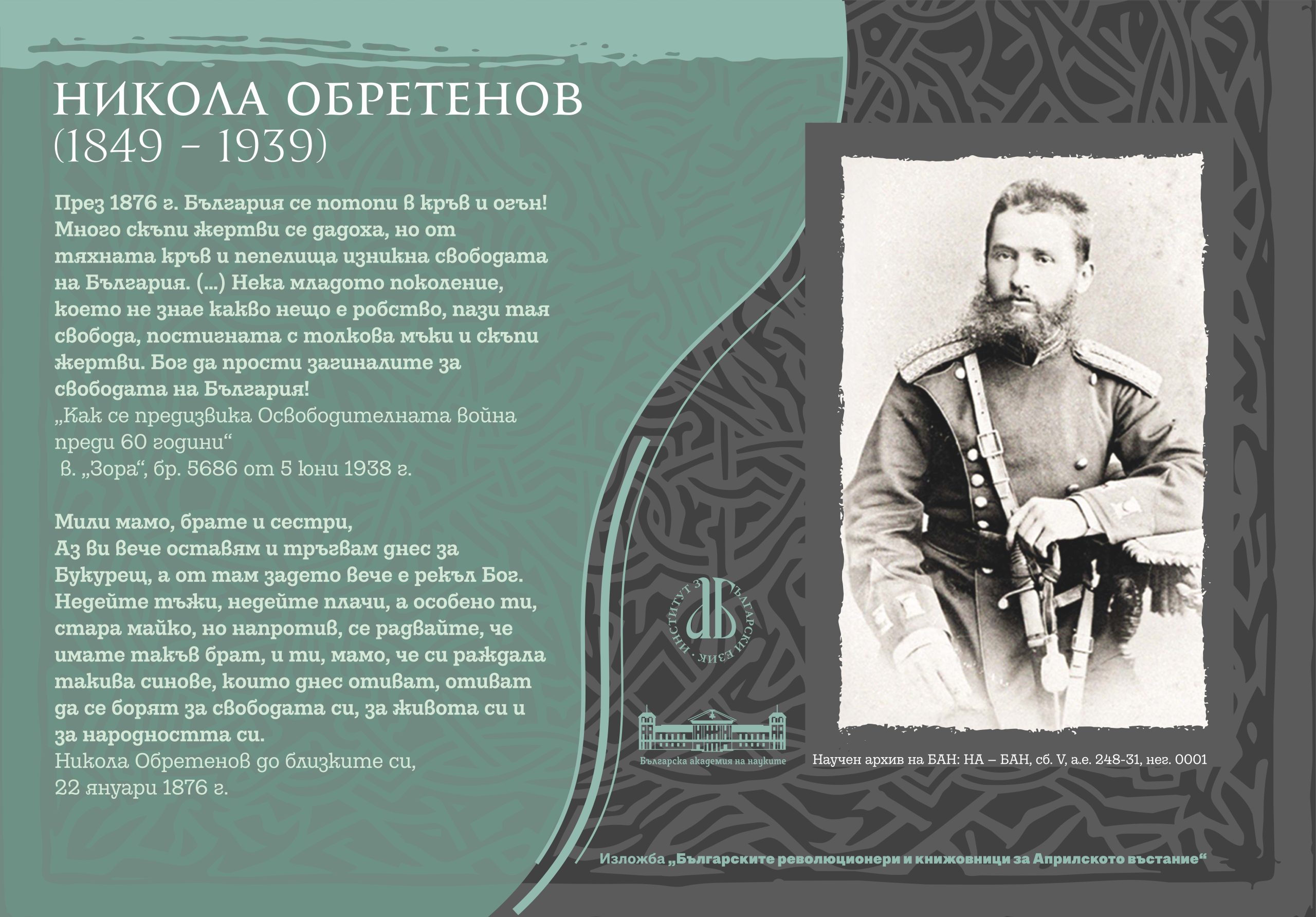
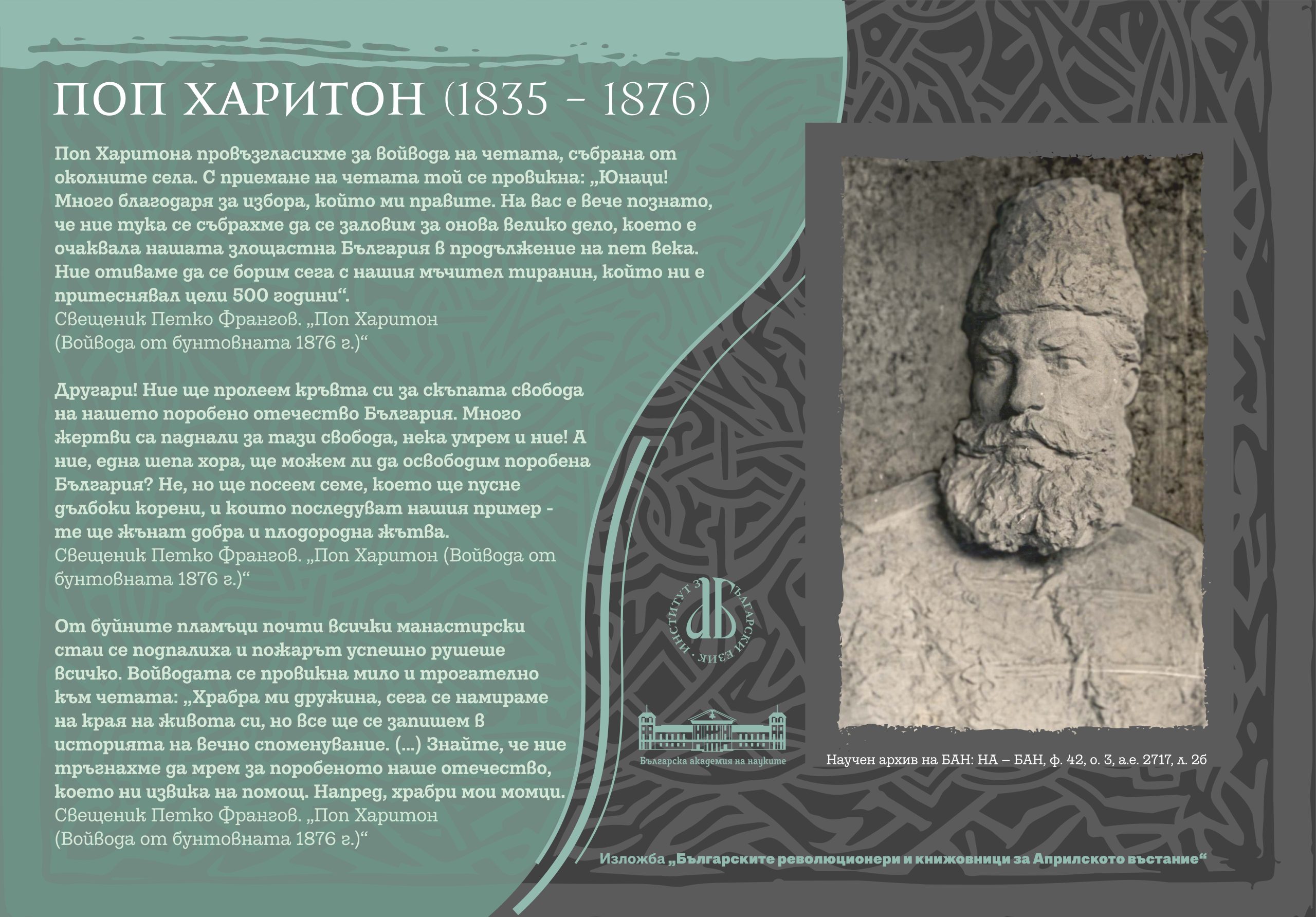
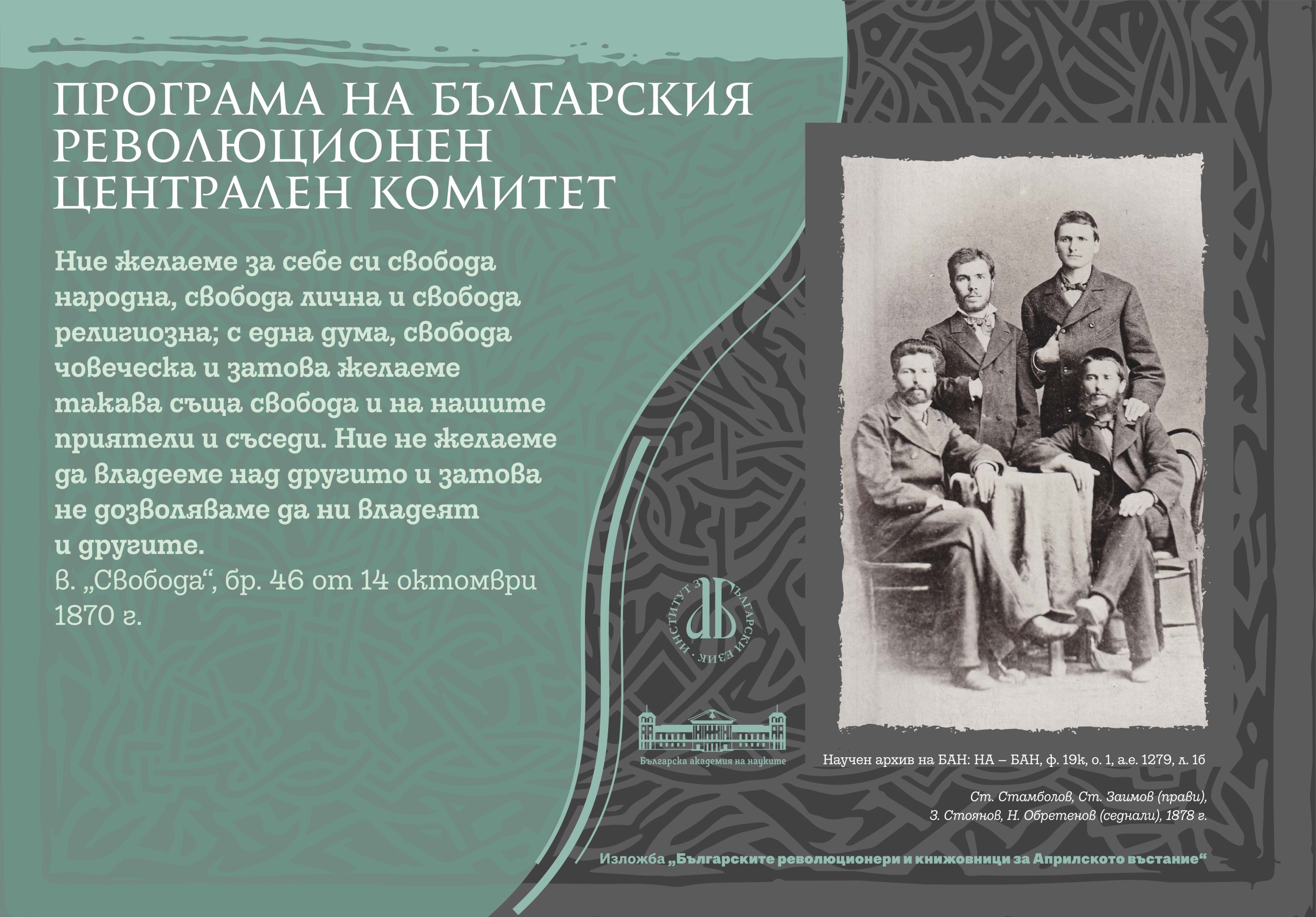
The exhibition traces the development of the national liberation idea, from its formulation and advancement through the work of figures such as Georgi Rakovski, Lyuben Karavelov, and Vasil Levski to its highest expression in the April Uprising. It presents emblematic figures of the Bulgarian revolutionary movement – Hristo Botev, Georgi Benkovski, Zahari Stoyanov, Stefan Stambolov, Stoyan Zaimov, Bacho Kiro, Konstantin Velichkov, Tsanko Dyustabanov, Nikola Obretenov, and Pop Hariton, whose words and deeds testify to their unwavering faith in freedom and their readiness to sacrifice even their own lives for its attainment.
The words of the revolutionaries featured in the exhibition also reveal the moral foundations of the national liberation struggle, embodied in the programme of the Bulgarian Revolutionary Central Committee: “national freedom, personal freedom, and religious freedom; in a word, human freedom”.
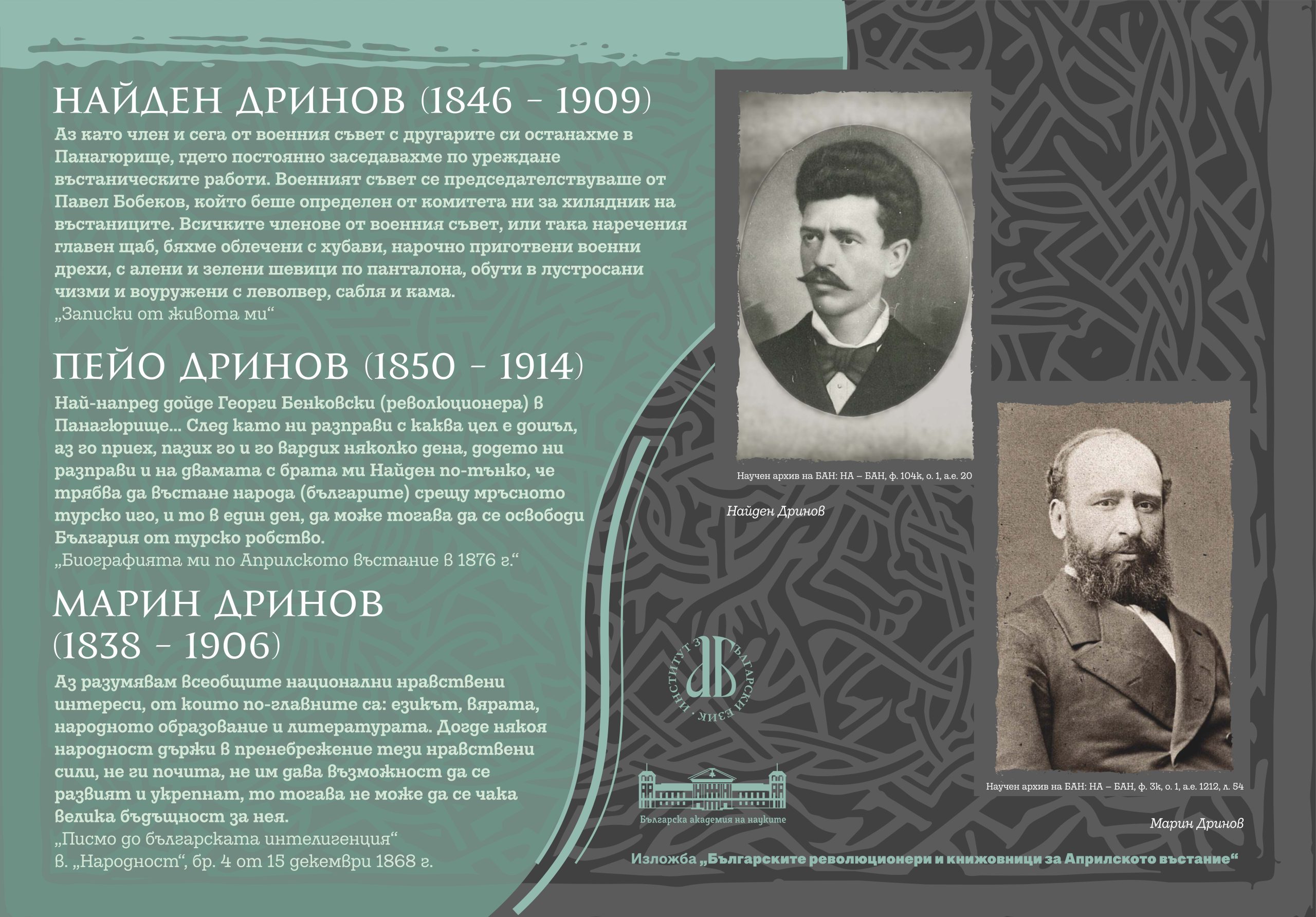
Special attention is devoted to the three Drinov brothers – Nayden, Peyo, and Marin Drinov. Their lives offer compelling evidence of the close connection between educational and cultural activity and revolutionary struggle – two mutually reinforcing forces that helped prepare the ground for the outbreak of the April Uprising.